All posts by CavalrymanSteakhouse

Prexy’s Pasture

1423-Old-Gym-Prexys-Dura-sm

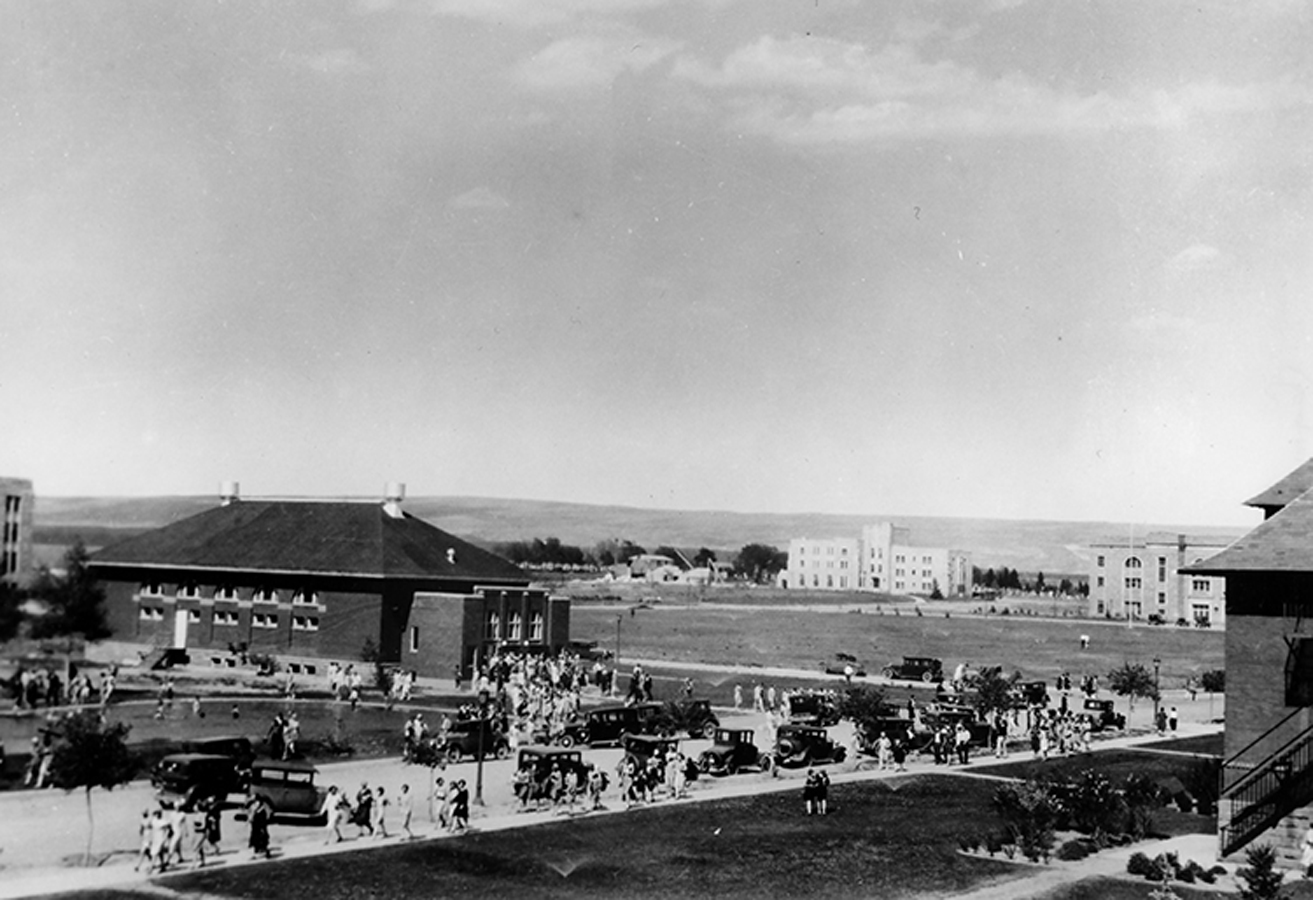
“Prexy’s Pasture” or the “Pasture” refers to the open center field of the University of Wyoming campus. The field’s name supposedly refers to a hard-to-end university regulation that alongside his salary, the university president, or “prexy,” be given exclusive use of the pasture to tether his horse. “Prexy’s” has been the center mall of the campus since the beginning of the 20th century and the site of numerous memorable University incidents.

Learn more about the history of the University of Wyoming. 

Resources

Female Cadets

1418-Female-cadets-dura
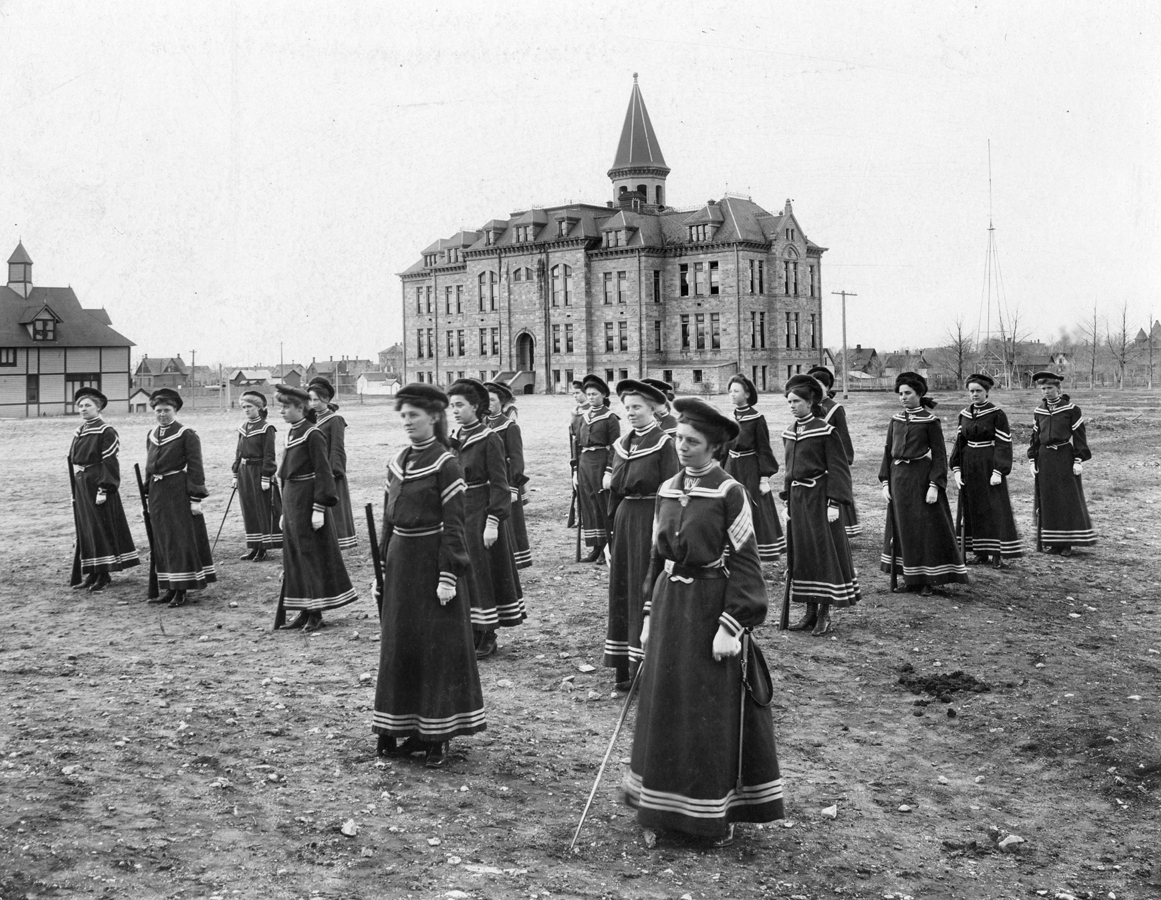
One of the University’s earliest artillery cadet classes included both men and women.

As a land-grant institution, the University of Wyoming maintained military programs that helped establish and refine defense tactics for the nation. The progressive mentality of the state of Wyoming coupled with a small student population meant young women at the university were afforded many opportunities, such as cadet training, that were not generally available to women during that time period at most other American colleges and universities.

Learn more about the history of the University of Wyoming. 

Resources

University of Wyoming Artillery Cadet Class

1417-Cadets-Dura-sm
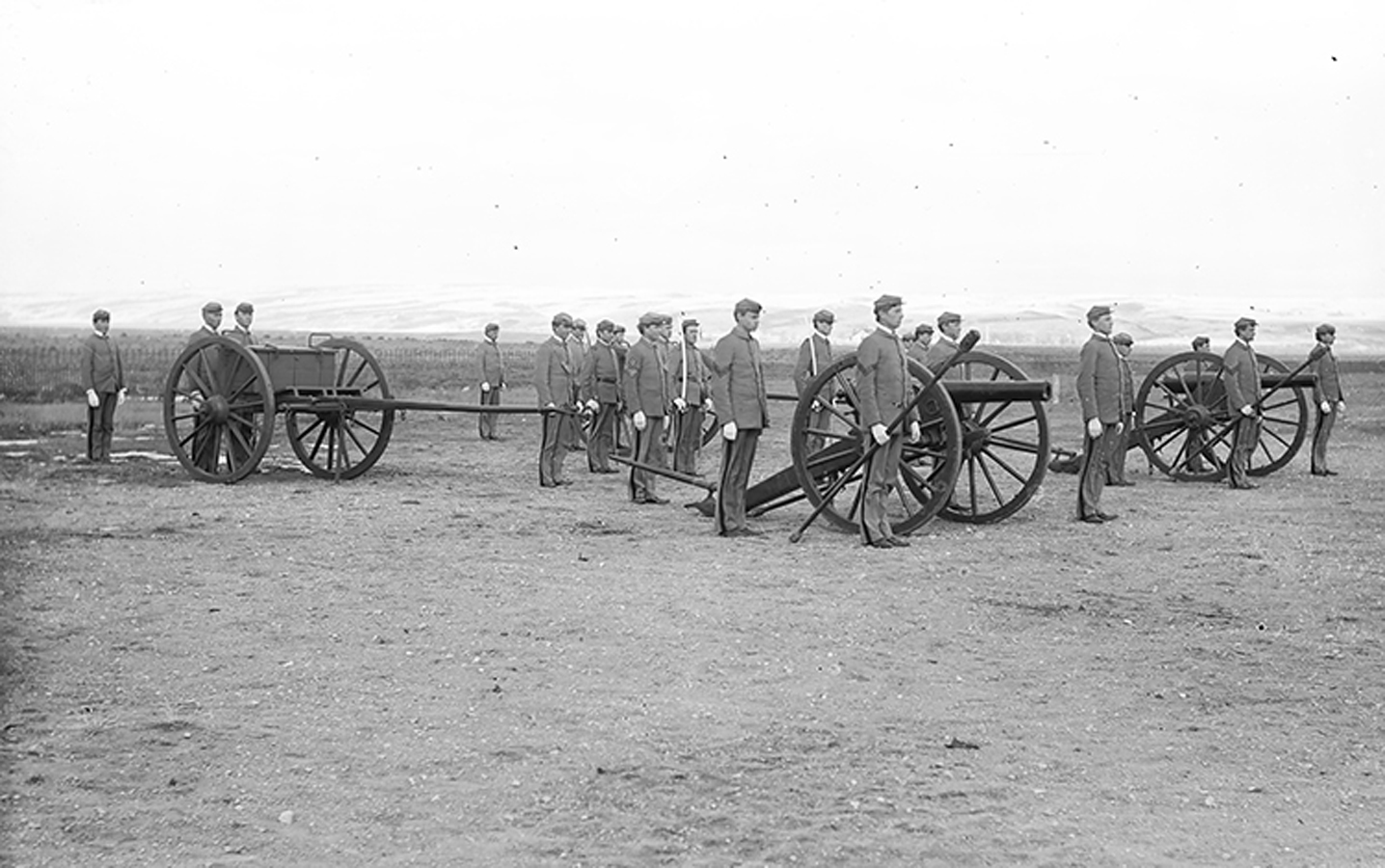
Early University of Wyoming Artillery Cadet Class

Beginning in 1918, University of Wyoming President Aven Nelson continued the tradition of a land grant institution’s participation in military preparedness by allowing the school to house 250 men enrolled in the students’ Army Training Corps.

This program, along with the earlier artillery cadet corps, helped establish a tradition of student military service. Opportunities included the Army Special Training Program, which operated as a flight school during the Second World War, and the Air Force Reserve Officers Training Corps, which is still active on campus today.

Learn more about the history of military preparedness at the University of Wyoming. 

Resources


University of Wyoming Pioneering Professors

1415-Faculty-1899-Dura

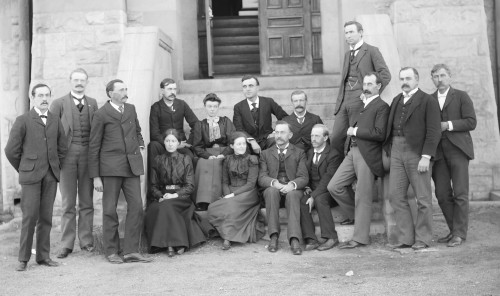
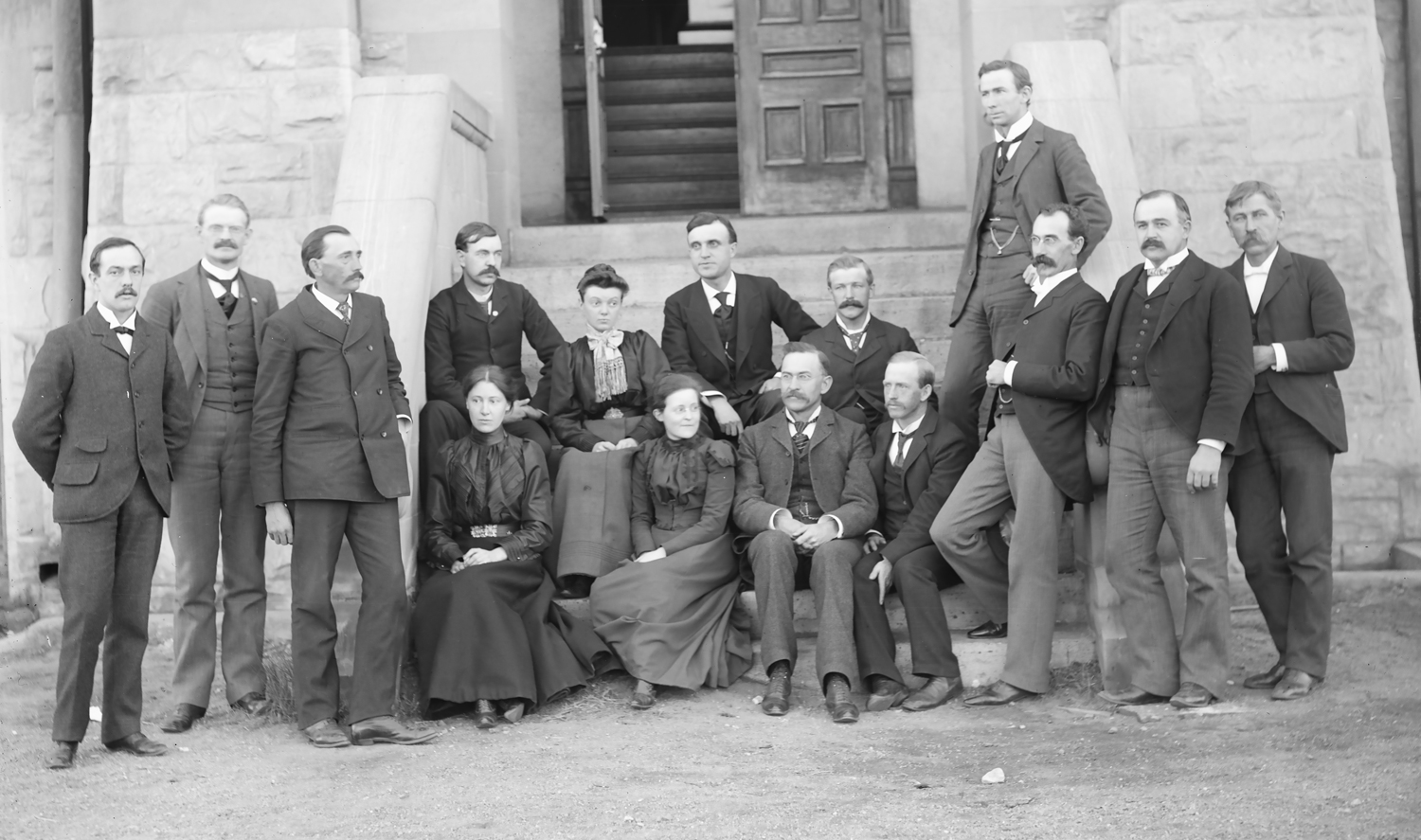
Wyoming’s reputation as the “Equality State” was reinforced with the addition of numerous female professors who made their mark at the University of Wyoming.

Grace Raymond Hebard was not only the first woman admitted to the Wyoming State Bar in 1898, and the first woman to practice law before the Wyoming Supreme Court, she was also an engineer, suffragist, librarian, and historian. Over time, she became the first woman to serve on the University of Wyoming Board of Trustees as secretary.

June Etta Downey, daughter of Stephen Downey, began teaching at the University of Wyoming in 1898 as an English professor but was soon teaching philosophy as well. By 1915, she became the head of the Psychology department and is known for making many strides in the study of psychology.

Mathilde Weigland grew up in Norway and viewed herself as a feminist. She earned a Ph.D. in history from the University of Zurich. Mathilde came to the United States in 1890 and taught briefly at Bryn Mawr College near Philadelphia, then at the University of Illinois and the University of Chicago. In 1902, she came to teach at the University of Wyoming and was appointed a Professor of History, French and Spanish.

In the early days of the university, professors taught several subjects outside their realm of specialty so that the University could offer a broader curriculum.

Learn more about Wyoming’s pioneering professors and the history of the University of Wyoming. 

Resources

University Hall (Old Main)

1411-Old-Main-From-Town-Dura-sm
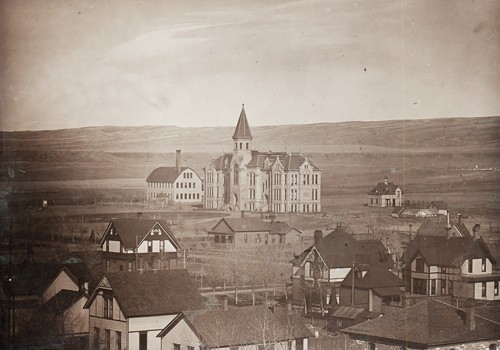
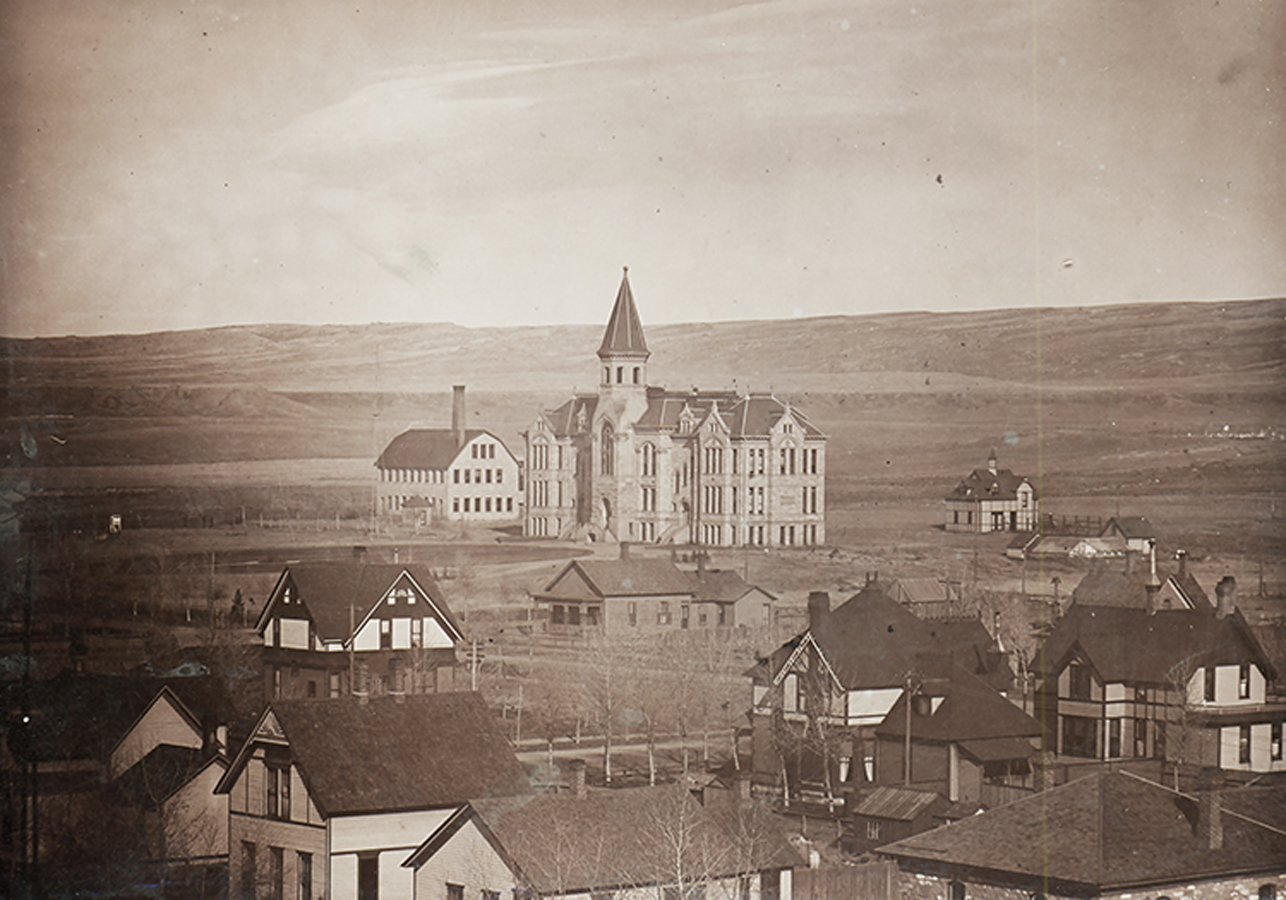
University Hall (Old Main) from the town above.

Old Main, built in 1886, is the first and oldest remaining building on the University of Wyoming campus in Laramie, Wyoming.

The style of Old Main set a precedent for all future University buildings. The main stone used is rough-cut sandstone from a quarry east of Laramie, and the trim stone is smooth Potsdam Sandstone from a quarry near Rawlins, WY. Old Main was designed to be a monumental structure and to be a symmetrical building with a prominent central spire as its focal point. The building was also designed to reflect the character of Wyoming. The rough stone and smooth trim represented the progressing frontier.

Currently, Old Main houses university administration, including the President’s Office and the boardroom where the Trustees often meet.

Learn more about the history of the University of Wyoming. 

Resources
 

The First University of Wyoming President: John Hoyt

1408-John-Hoyt-dura
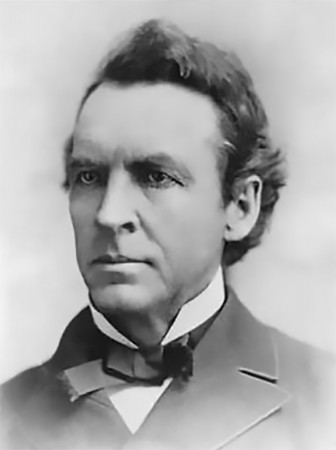
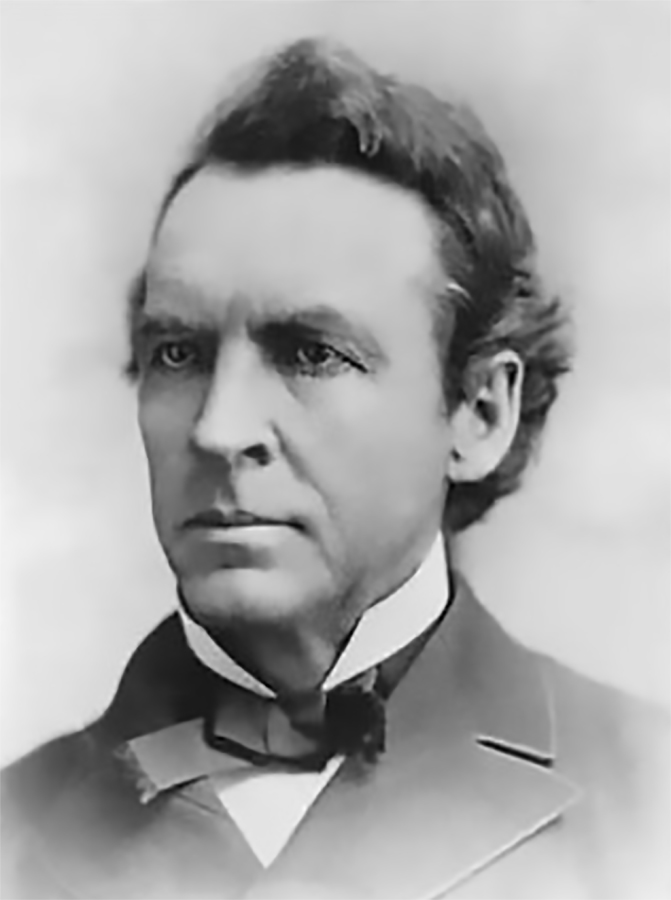
The First University of Wyoming President, John Hoyt.

John W. Hoyt, former Wyoming Territorial governor, became the first president of the newly established University of Wyoming in Laramie in 1886. During his three years as president, President Hoyt oversaw the construction of Old Main and designed a liberal arts-centered curriculum.

He also helped to reinforce Wyoming’s reputation as the “Equality State” when he appointed female professors who made their mark at the University of Wyoming,  including Grace Raymond Hebard, June Etta Downey and Agnes Wergeland.

Learn more about President John W. Hoyt and the University of Wyoming. 

Resources
1896 University of Wyoming Board of Trustees

1407-1896-bd-of-regents-grace-hebard-dura

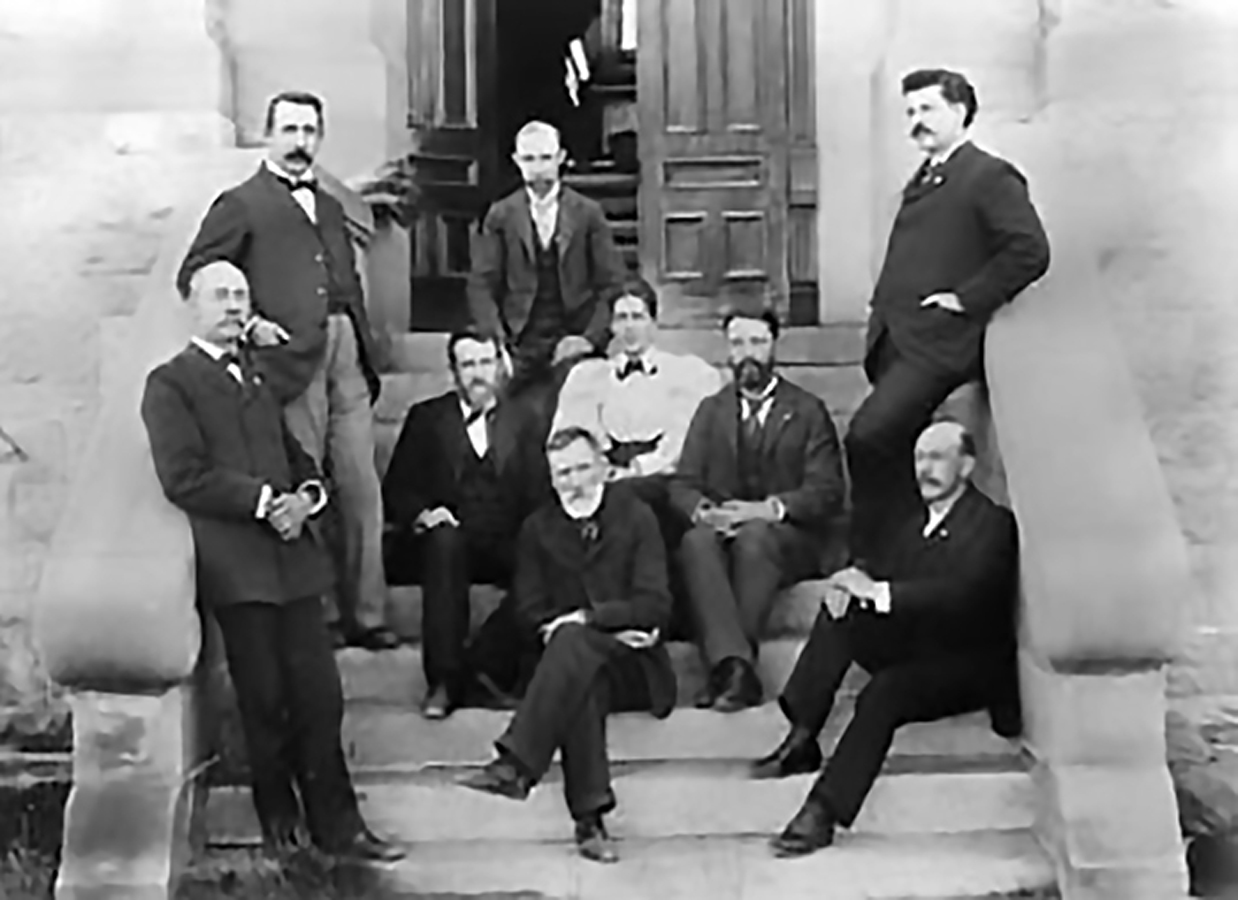
Members of the 1896 University of Wyoming Board of Trustees. From left to right, (first row) Otto Graham (standing), James A McAvoy, and Charles H. Parmelee; (second row, seated) Stephen W. Downey, Grace Raymond Hebard, and Albinius Johnson; (third row, standing) John C. Davis, John O. Churchill, and Timothy F. Burke.

Learn more about the University of Wyoming Board of Trustees.

Resources

University of Wyoming College of Agriculture

1405-Terr-Pris-as-Agg-for-UW-dura

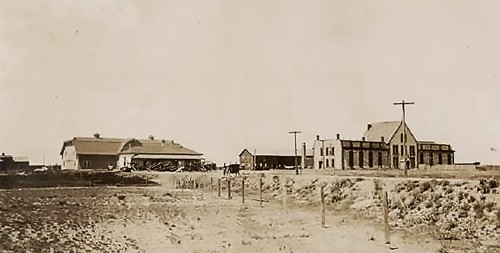
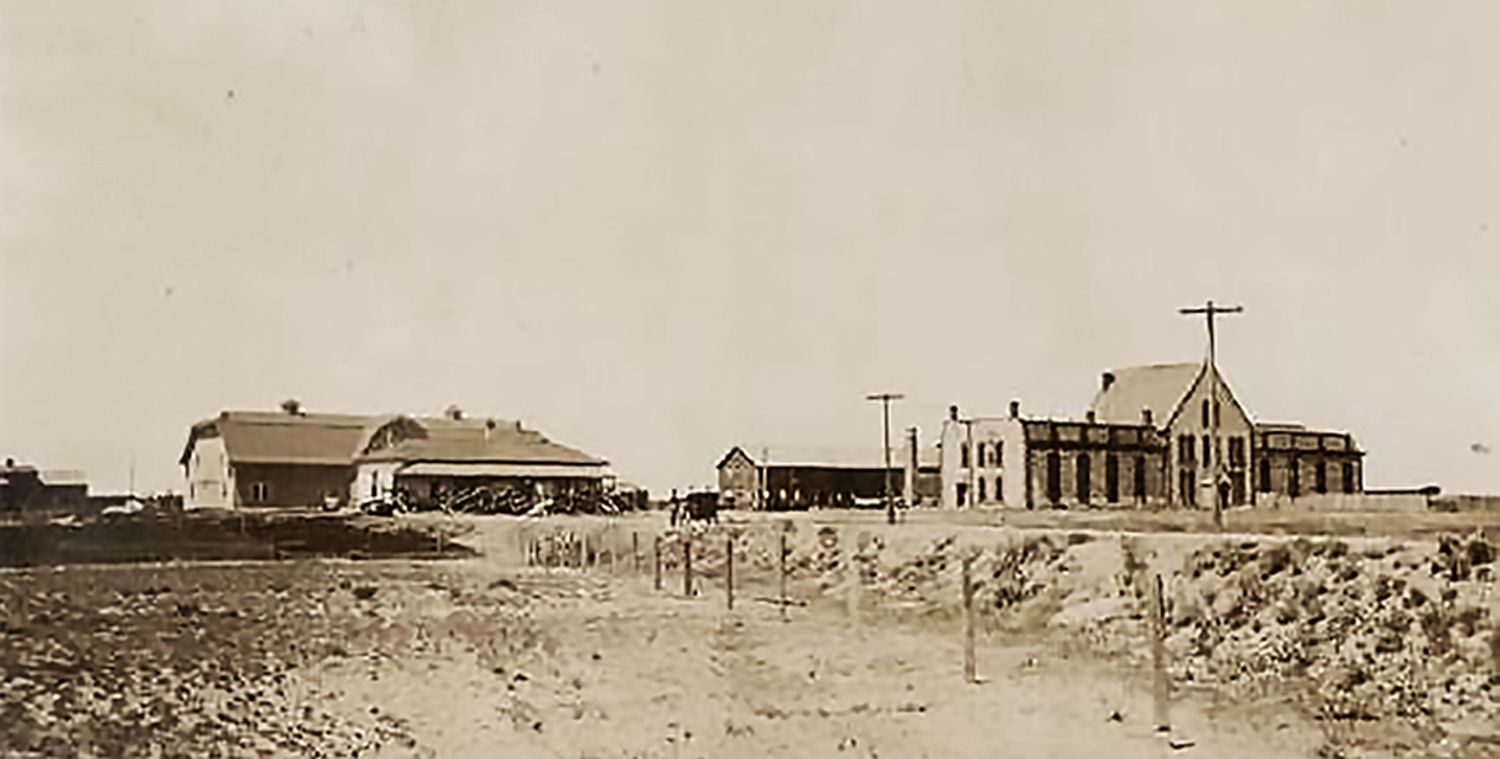
In 1907, the Wyoming State Legislature officially transferred the former Wyoming Territorial State Prison property to the University of Wyoming’s College of Agriculture so it could serve as an experimental stock farm. Five thousand dollars was also allocated to repair and equip the farm. Steel cells in the south wing were replaced with a wood scouring plant and the north wing cells were converted into a modern cattle barn.

The stock farm was used to teach university students and livestock producers from Wyoming and surrounding states about beef, sheep, sheep shearing and wool. The farm also maintained dairy cattle, pigs and poultry at various times and had facilities for staff and students.

The University ended operations at the farm in 1989. It is now a state historic site and was restored as the Wyoming Territorial Prison. First operated by a private corporation, Wyoming State Parks, Historic Sites and Trails assumed control in 2004 and currently operate the facility as the Wyoming Territorial Prison State Historic Site.

Learn more about the 1907 University of Wyoming College of Agriculture and the Wyoming Territorial Prison State Historic Site.

Resources

University of Wyoming College of Agriculture

1402-Sheep-at-Terr-Prison-dura

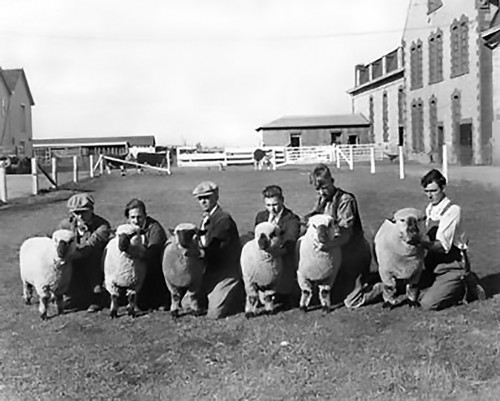
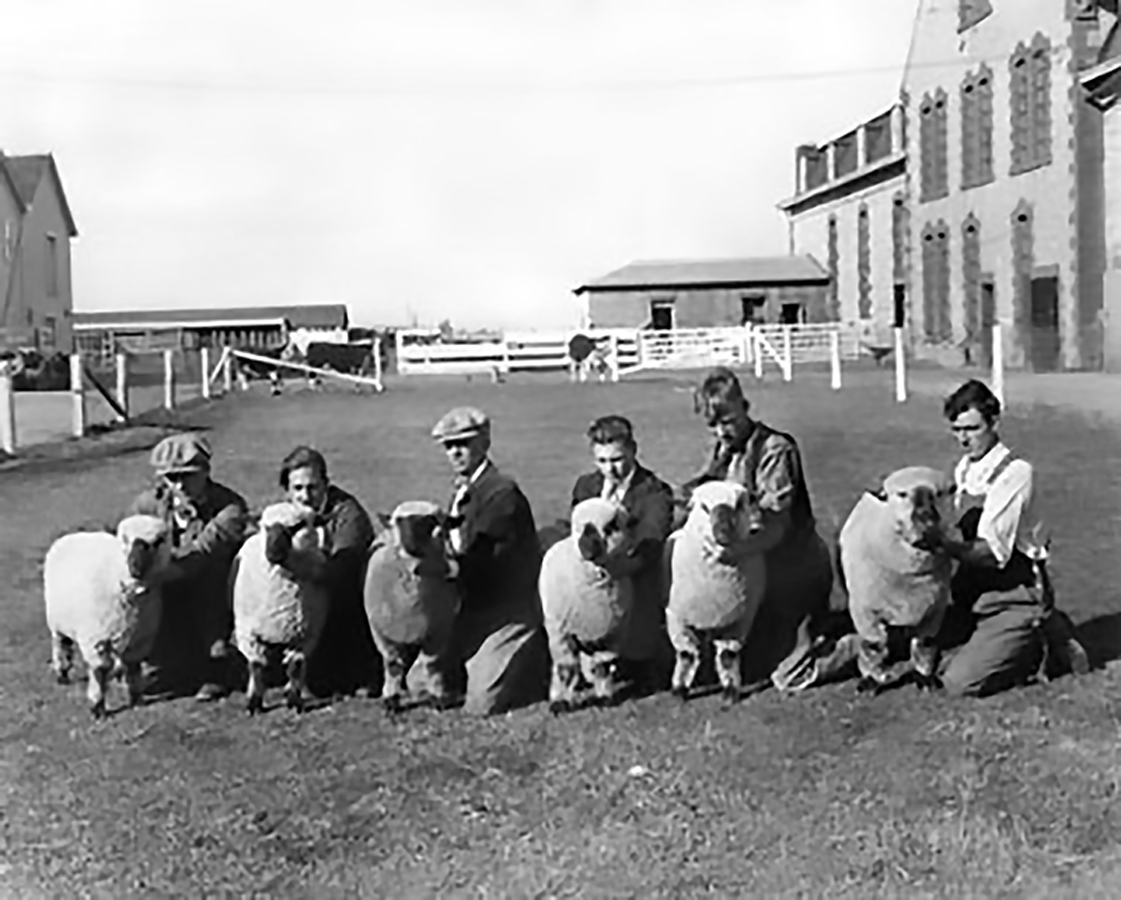
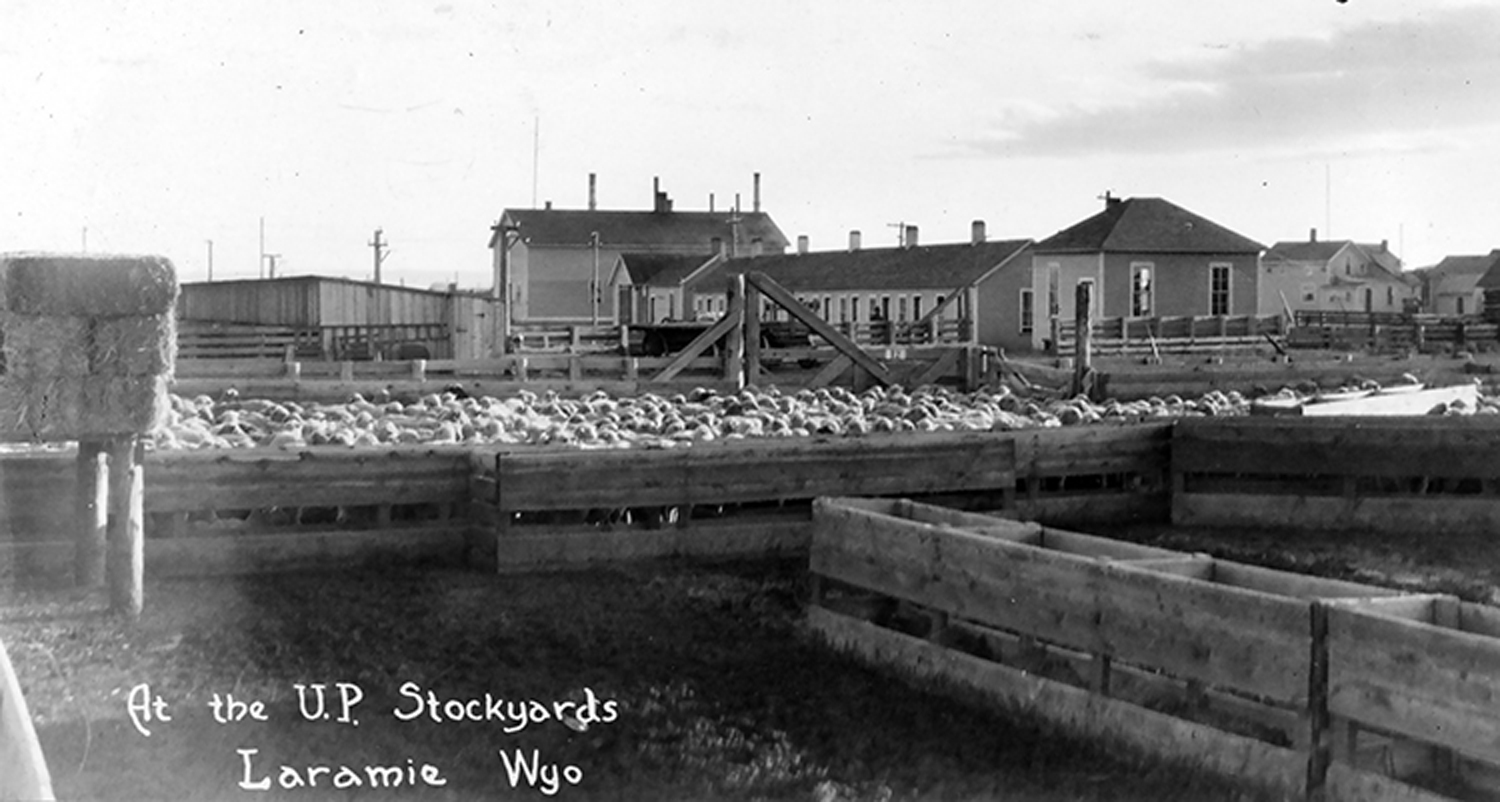
In 1907, the Wyoming State Legislature officially transferred the former Wyoming Territorial State Prison property to the University of Wyoming’s College of Agriculture so it could serve as an experimental stock farm. Five thousand dollars was also allocated to repair and equip the farm. Steel cells in the south wing were replaced with a wood scouring plant and the north wing cells were converted into a modern cattle barn.

The stock farm was used to teach university students and livestock producers from Wyoming and surrounding states about beef, sheep, sheep shearing and wool. The farm also maintained dairy cattle, pigs and poultry at various times and had facilities for staff and students.

The University ended operations at the farm in 1989. It is now a state historic site and was restored as the Wyoming Territorial Prison. First operated by a private corporation, Wyoming State Parks, Historic Sites and Trails assumed control in 2004 and currently operate the facility as the Wyoming Territorial Prison State Historic Site.

Learn more about the 1907 University of Wyoming College of Agriculture and the Wyoming Territorial Prison State Historic Site. 

Resources