All posts by CavalrymanSteakhouse

Grace Raymond Hebard

1484-tree-dedicated-to-grace-hebard-dura
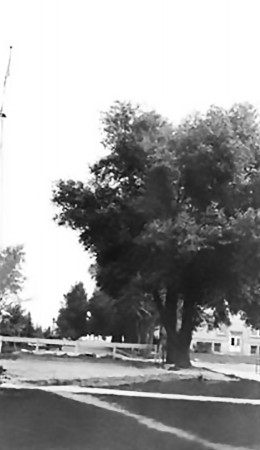
Tree dedicated to Grace Hebard’s memory. 

Grace Raymond Hebard may not have been the first woman in Wyoming to break the “glass ceiling,” but her achievements were nevertheless remarkable! Not only was Hebard the first woman admitted to the Wyoming State Bar in 1898, plus the first woman to practice law before the Wyoming Supreme Court, she was also an engineer, suffragist, librarian and historian.

Reared in Iowa, Hebard received a B.S. in engineering from the State University of Iowa in 1882, followed by an M.A. through a correspondence course in 1885. A job opportunity as a draftsman in the land office of the United States Surveyor General brought her and her family to Wyoming. Once here, her love of the state never waned.

Hebard became a member of the University of Wyoming Board of Trustees in 1891, serving as its secretary. Later, she taught political economy. By the end of her long career, she was heading the Department of Political Economy and Sociology. Hebard was a popular speaker and writer whose books were considered highly romanticized. These included the History and Government of Wyoming and Pathbreakers from River to Ocean.

As if that weren’t enough, Heard was also Wyoming’s reigning tennis champion for a time!
Learn more about Grace Raymond Hebard.

Resources

Dr. Wilbur Knight

1479-Prof-Knight-with-Dino-Bone-Dura-sm
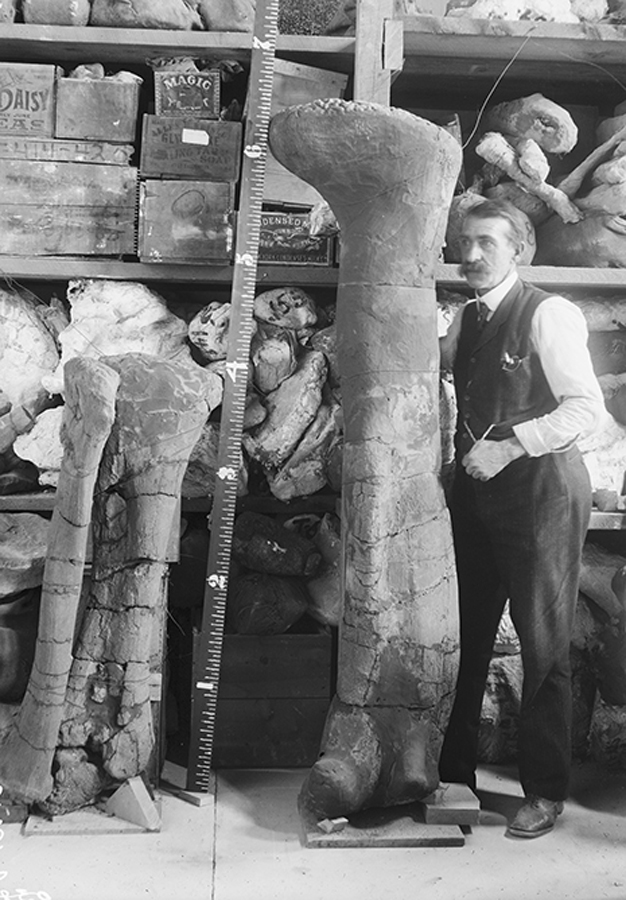
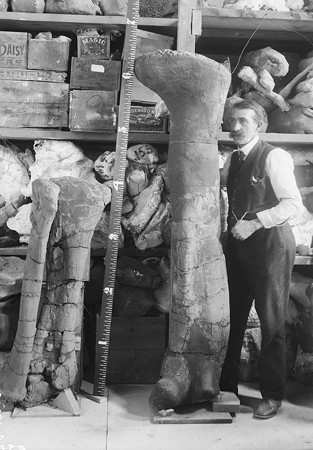
Professor Knight with Bones from an 1899 excavation.

Dr. Wilbur Knight served as the assistant territorial geologist of Wyoming (1886-87) and was appointed state geologist in 1898. He joined the University of Wyoming faculty in 1893, and in addition to his instructional responsibilities, served as curator of the Geological Museum.

Knight led many expeditions into the Wyoming heartland, famous for being one of the richest fossil regions in the United States. He was the leader of the 1899 Union Pacific Railroad Expedition in which railroad officials invited geologists and paleontologists from universities, colleges, and museums around the country to participate in a scientific expedition to Wyoming.

Under Knight’s direction, the University of Wyoming identified fossils unearthed by members of the group, and the Union Pacific Railroad transported them to their home institutions free of charge. Since then, the Geological Museum at the University of Wyoming has become a tremendous attraction in Laramie and an asset to Wyoming. Although Wilbur died rather young, his son Samuel “Doc” Knight, the legendary Wyoming geologist, later became the curator of the museum and expanded its scope.

Learn more about the history of Wilbur Wright and the University of Wyoming Geological Museum.


Assaying Class

1477-Assaying-Class-Dura

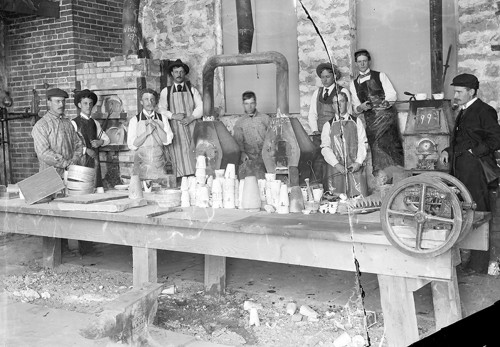
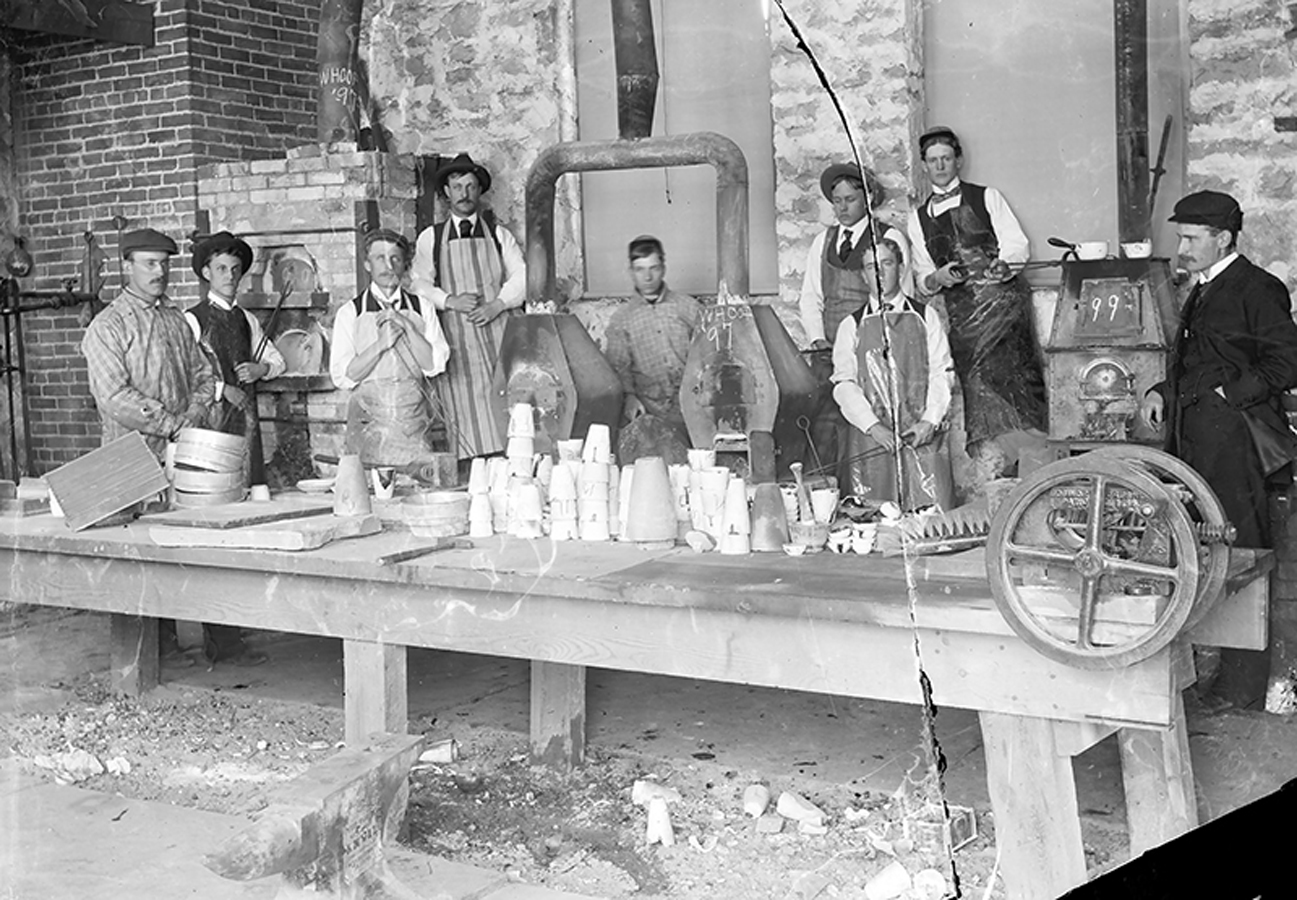
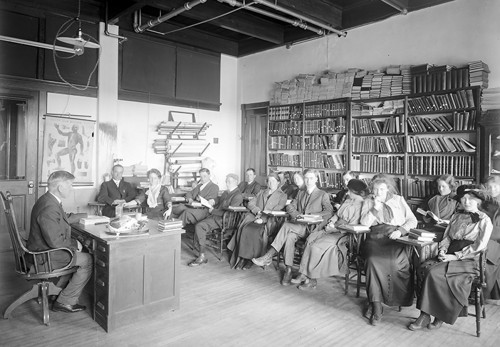
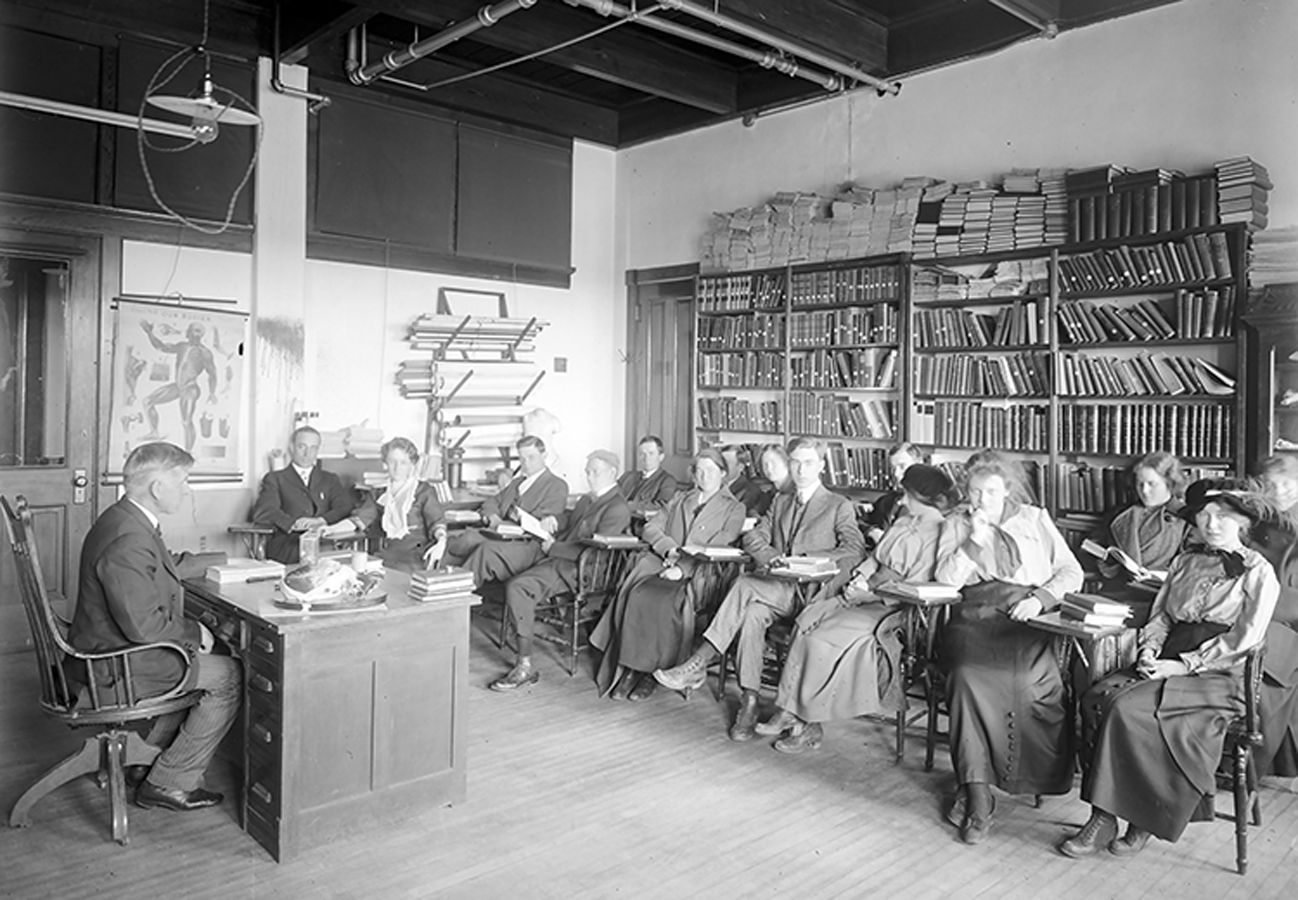
A course in assaying — the process for determining the amount of a certain metal contained in an ore or alloy — was one of University of Wyoming’s School of Mines’ early offerings taught by Professor Wilbur C. Wright.

For a number of years, assaying was provided to the citizens of Wyoming for as little as 50 cents for lead or up to $5.00 for platinum or cobalt. Water analysis was also available.

Learn more about the history of the University of Wyoming.


Aven Nelson Leading Students to Centennial, WY

1475-aven-Nelson-leading-students-4th-July-Dura-sm
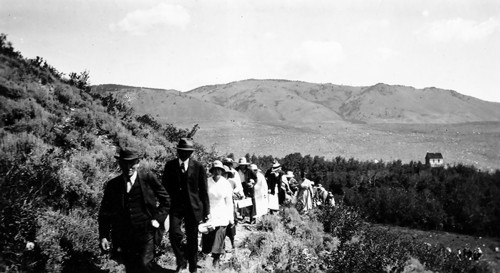
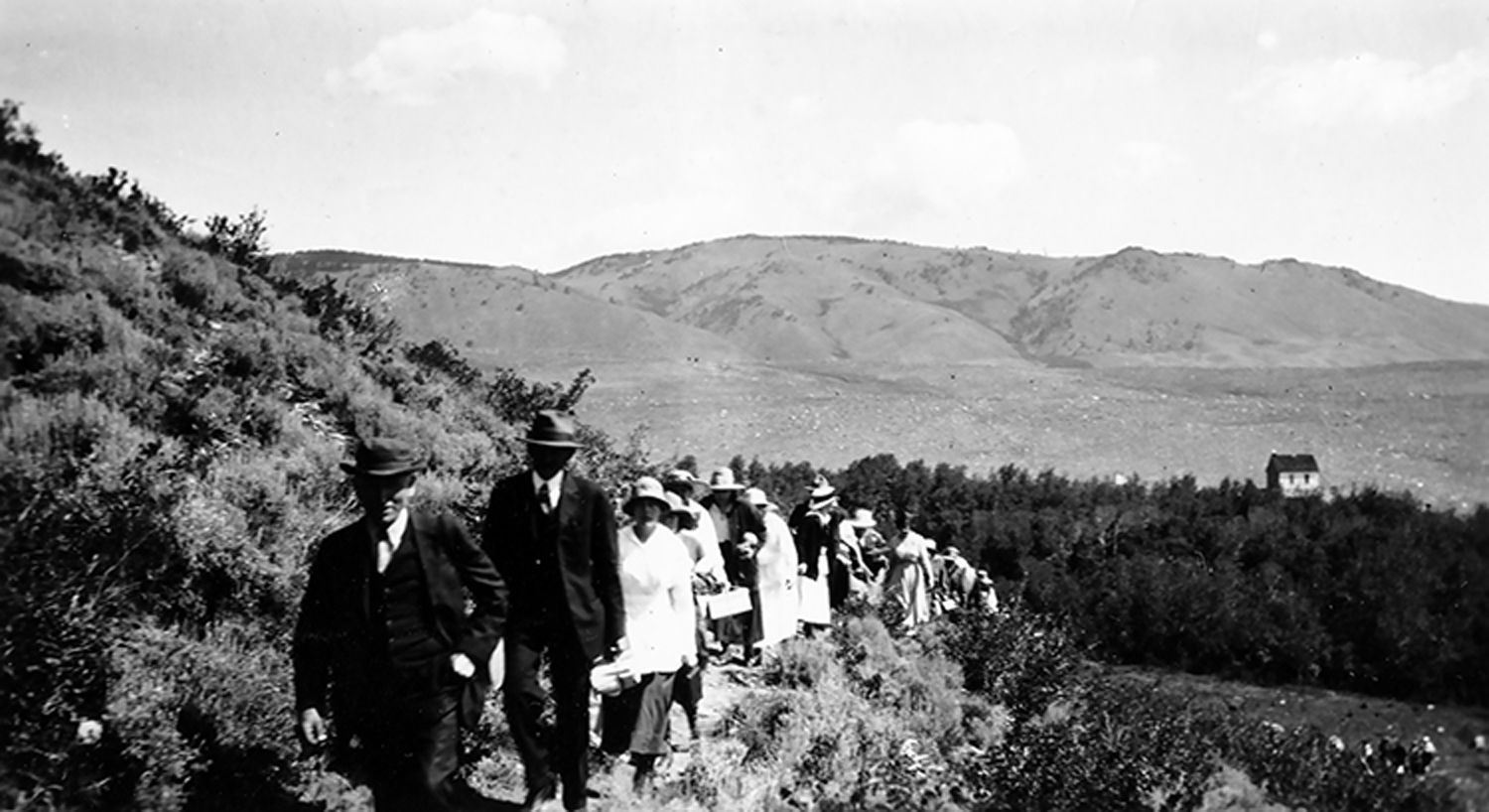
Aven Nelson, President of the University of Wyoming,  leads students to a summer school picnic in Centennial, Wyoming on July 4, 1919.

Aven Nelson was one of the original founding faculty members of the University of Wyoming. Nelson came to the university in 1887, the year it was founded. He served UW for 55 years before retiring in 1942. Nelson was the University of Wyoming’s first professor of botany, as well as the university’s 10th President.

In his role as a botanist, Nelson shared his expertise with students and the Wyoming public. As secretary of the State Board of Horticulture, Nelson wrote numerous publications intended for the general population. In 1893, he co-founded the Rocky Mountain Herbarium — today one of the finest in the United States—and the Colorado-Wyoming Academy of Science. Nelson also served as president of the American Society of Plant Taxonomists, Phi Kappa Phi and the Botanical Society of America.

Nelson’s achievements were recognized with an honorary doctoral degree from the University of Colorado, as well as an honorary doctor of law degree from Wyoming.

The Aven Nelson Memorial Building is named in his honor.

Learn more about Aven Nelson. 

Resources

Aven Nelson Botany Class

1472-Aven-Nelson-Botany-Class-Dura-sm

Aven Nelson was one of the original founding faculty members of the University of Wyoming. Nelson came to the university in 1887, the year it was founded. He served UW for 55 years before retiring in 1942. Nelson was the University of Wyoming’s first professor of botany, as well as the university’s 10th President.

In his role as a botanist, Nelson shared his expertise with students and the Wyoming public. As secretary of the State Board of Horticulture, Nelson wrote numerous publications intended for the general population. In 1893, he co-founded the Rocky Mountain Herbarium — today one of the finest in the United States—and the Colorado-Wyoming Academy of Science. Nelson also served as president of the American Society of Plant Taxonomists, Phi Kappa Phi and the Botanical Society of America.

Nelson’s achievements were recognized with an honorary doctoral degree from the University of Colorado, as well as an honorary doctor of law degree from Wyoming.

The Aven Nelson Memorial Building is named in his honor.

Learn more about Aven Nelson.

Resources

Education Classes

1470-Early-ed-classes-Dura

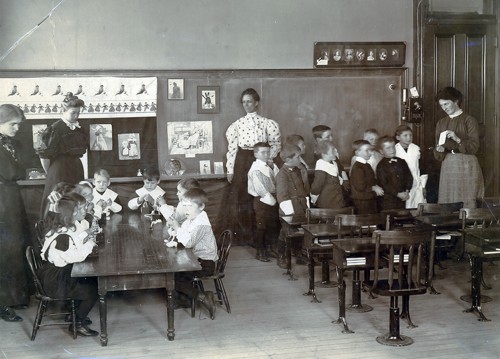
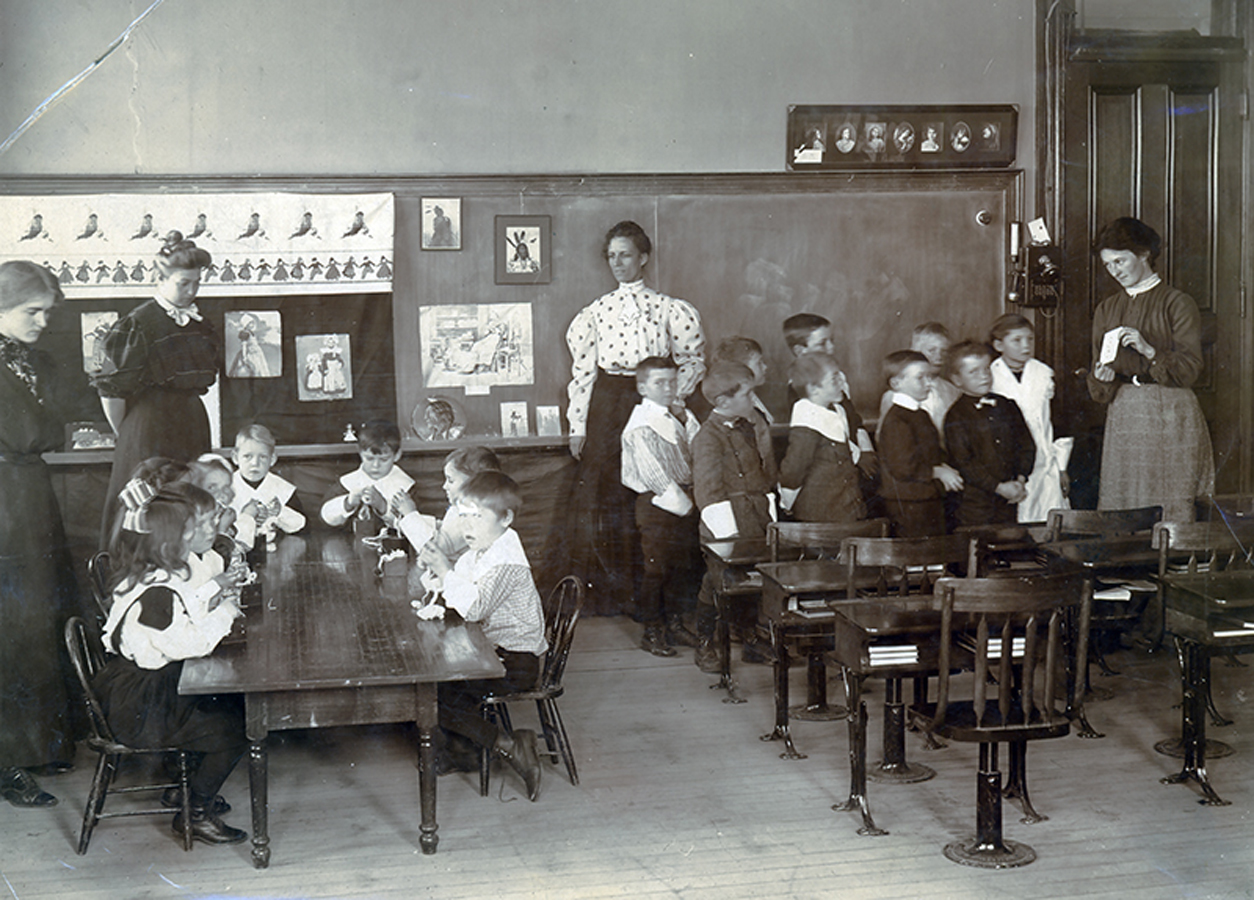
The 1906-1907 school year marked the beginning of the student-teaching program at the University School. The classroom was located on the second floor of Old Main.  It was known as “the primary room” and included grades one through three. In the early years, there were more preparatory students than college students enrolled and tuition costs covered nearly all of the overhead expenses of the school.

The University School is still around to this day educating many of Laramie’s local students.

Pictured here (left to right) are teachers Neva Nelson, Anne Reed, Ruth Adsit (the school’s first Principal), and Clara Prahl.

Learn more about the history of the University of Wyoming. 

Resources

Union Pacific Railroad 1899 Fossil Excursion

1467-Cooks-at-Summer-Camp-Dura-sm
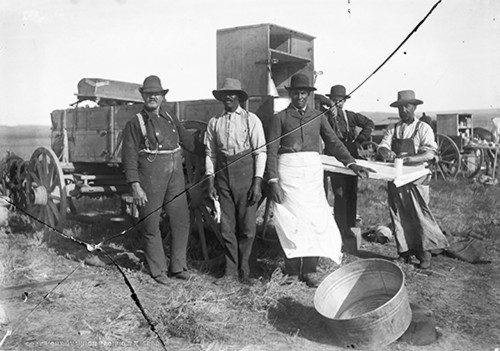
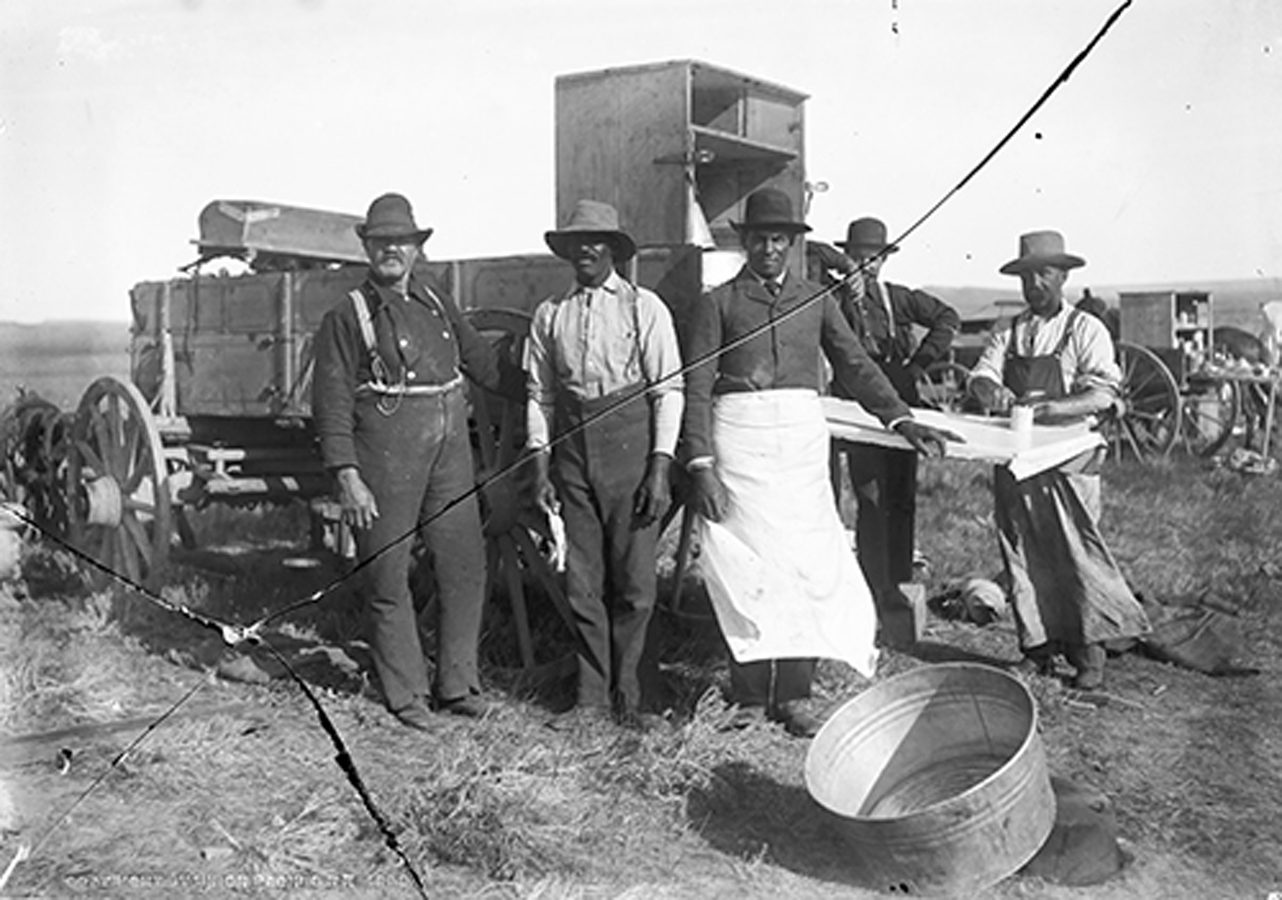
Expedition Cooks: Feeding such a large group of scientists  — approximately 100 from all around the country — required a number of cooks. The “outfit” included 19 double horse-drawn wagons as well as some saddle horses.  Pictured are Andrew Reed (far left) and Tom Canada (center).

In 1899, officials from the Union Pacific Railroad invited geologists and paleontologists from universities, colleges, and museums around the country to participate in a scientific expedition to Wyoming, famous for being one of the richest fossil regions in the United States. The railroad offered them free transportation to Laramie and the chance to dig for fossils under the guidance of University of Wyoming Professor Wilbur Knight, the state’s geologist and curator of the Geological Museum.

The University of Wyoming identified fossils unearthed by members of the group, and the Union Pacific Railroad transported them to their home institutions free of charge.

Learn more about the 1899 Union Pacific Railroad Fossil Excursion. 

Science Camp

1464-Summer-Camp-Snowy-Range-Dura

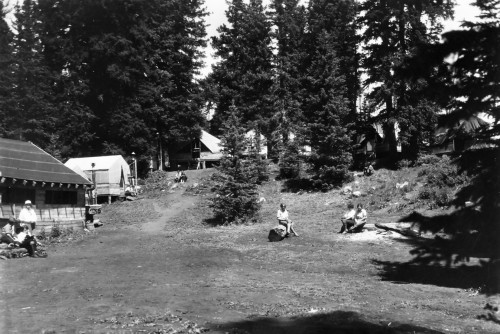
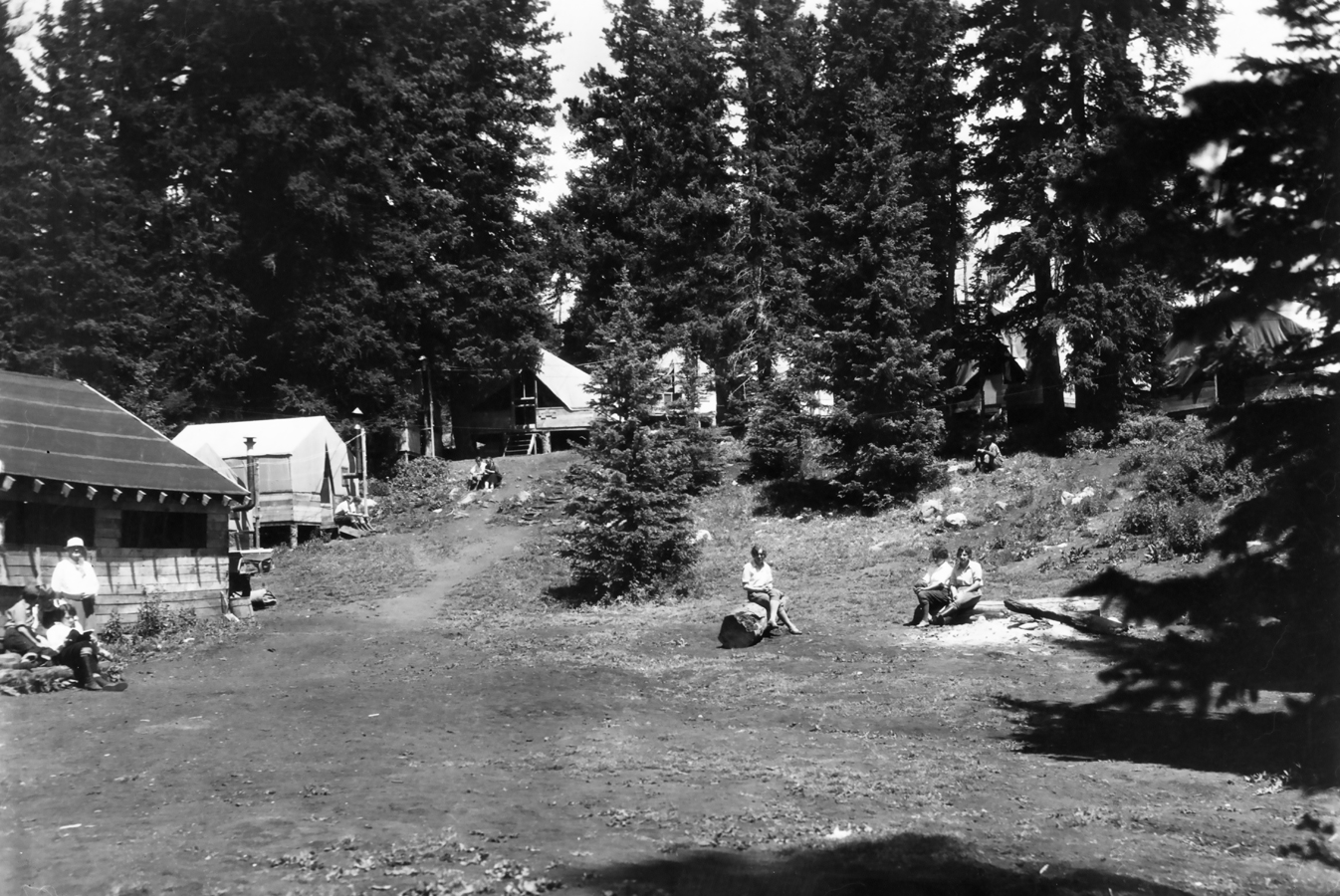
Affectionately referred to as “Doc” Knight, Samuel H. Knight succeeded his father as the second Wyoming State Geologist. Knight served as both the Wyoming State Geologist and head of the University of Wyoming’s Geological Museum exhibits. In the summer of 1923, he established Science Camp at the head of Long Canyon– a base for fieldwork for the study of geology, zoology and botany.

The camp became so successful that a cooperative arrangement between the geology departments of the University of Wyoming and Columbia University lasted for more than 30 years.

The camp was located 30 miles from Laramie in the Medicine Bow Mountains. From 1935 to 1937, the WPA and the Civilian Conservation Corps (CCC) aided with its construction.

Learn more about Samuel H. “Doc” Knight, the UW Geology Museum, Science Camp and the Civilian Conservation Corps.

Additional Resources

Science Camp

1462-Geology-camp-lodge-Dura-sm

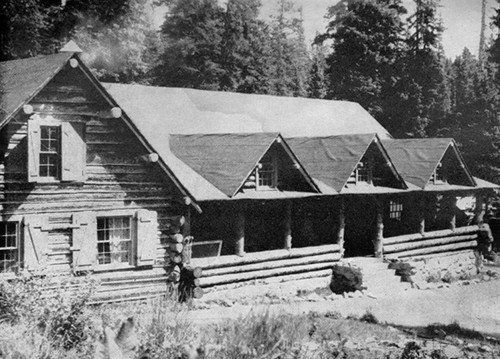
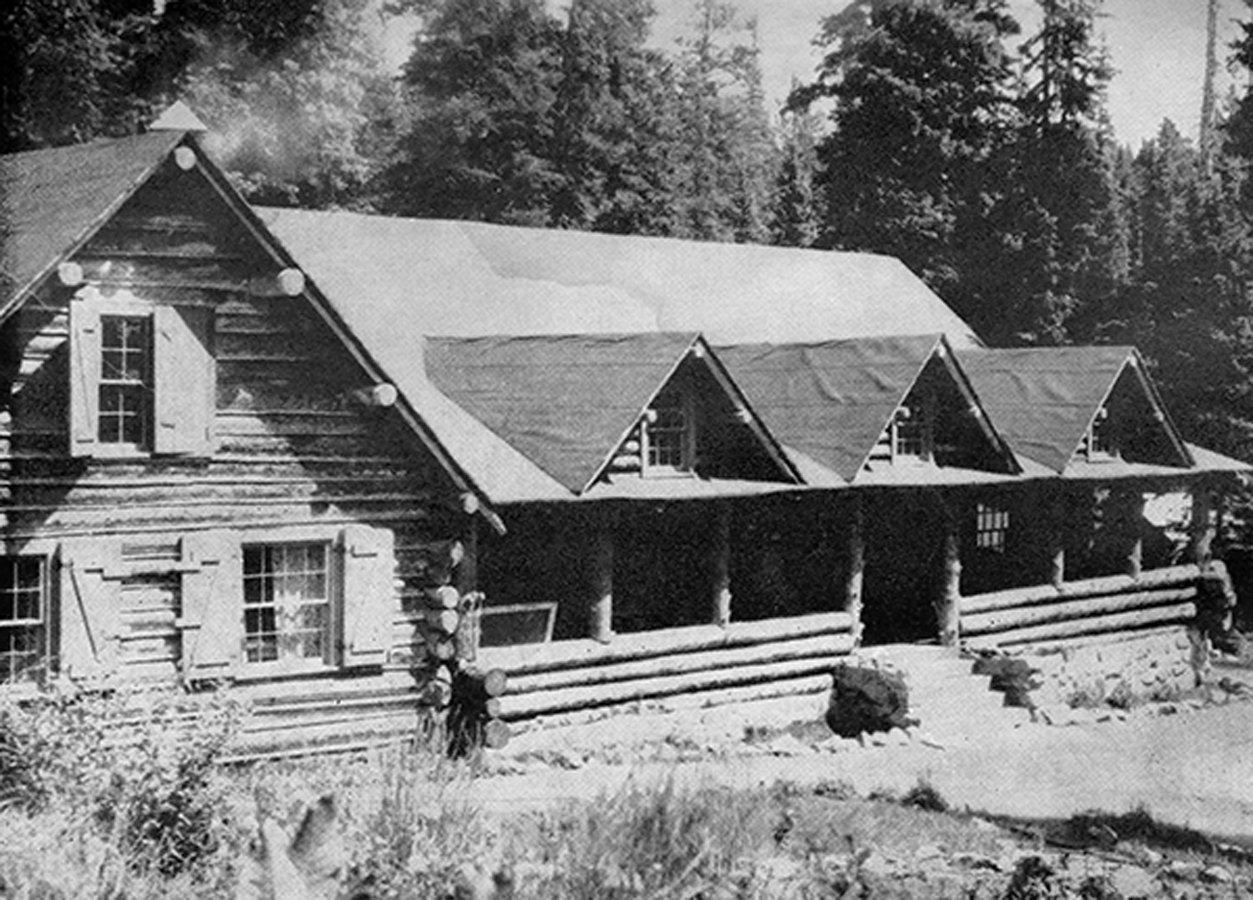
Much of the construction of the “Science Camp” buildings was completed by the Works Progress Administration (WPA) and the Civilian Conservation Corps (CCC) from 1935 to 1937.

Affectionately referred to as “Doc” Knight, Samuel H. Knight succeeded his father as the second Wyoming State Geologist. Knight served as both the Wyoming State Geologist and head of the University of Wyoming’s Geological Museum exhibits. In the summer of 1923, he established Science Camp at the head of Long Canyon– a base for fieldwork for the study of geology, zoology and botany.

The camp became so successful that a cooperative arrangement between the geology departments of the University of Wyoming and Columbia University lasted for more than 30 years.

The camp was located 30 miles from Laramie in the Medicine Bow Mountains. From 1935 to 1937, the WPA and the Civilian Conservation Corps (CCC) aided with its construction.

Learn more about Samuel H. “Doc” Knight and the UW Geology Museum, Science Camp and the Civilian Conservation Corps.


Additional Resources


Union Pacific Railroad 1899 Fossil Excursion


1460-Summer-camp-tents-Dura
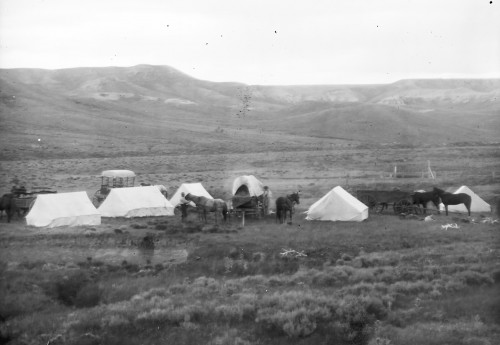
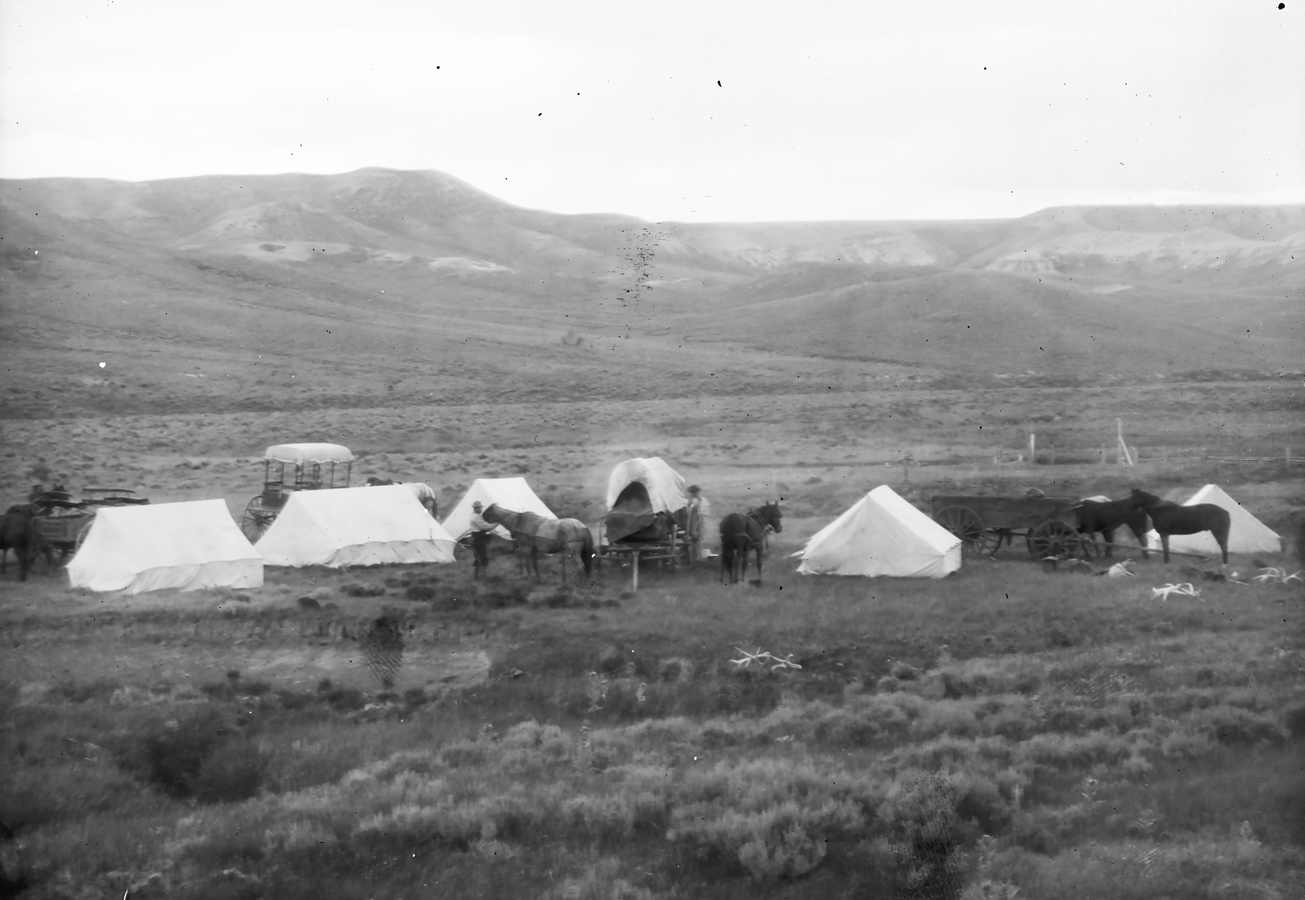
Approximately 100 scientists participated in the 1899 UPRR fossil expedition, led by University of Wyoming geology professor Wilbur Knight. The “outfit” included 19 two horse-drawn wagons and some saddle horses. They travelled nearly 300 miles in 40 days, making 18 camps with some of their longer stays occurring in the region known as the Freeze-Out Hills.

In 1899, officials from the Union Pacific Railroad invited geologists and paleontologists from universities, colleges, and museums around the country to participate in a scientific expedition to Wyoming, famous for being one of the richest fossil regions in the United States. The railroad offered them free transportation to Laramie and the chance to dig for fossils under the guidance of University of Wyoming Professor Wilbur Knight, the state’s geologist and curator of the Geological Museum.

The University of Wyoming identified fossils unearthed by members of the group, and the Union Pacific Railroad transported them to their home institutions free of charge.

Learn more about the 1899 Union Pacific Railroad Fossil Excursion.

Additional Resources