All posts by CavalrymanSteakhouse

Cavalryman Salad Bar

250-Salad-bar-final

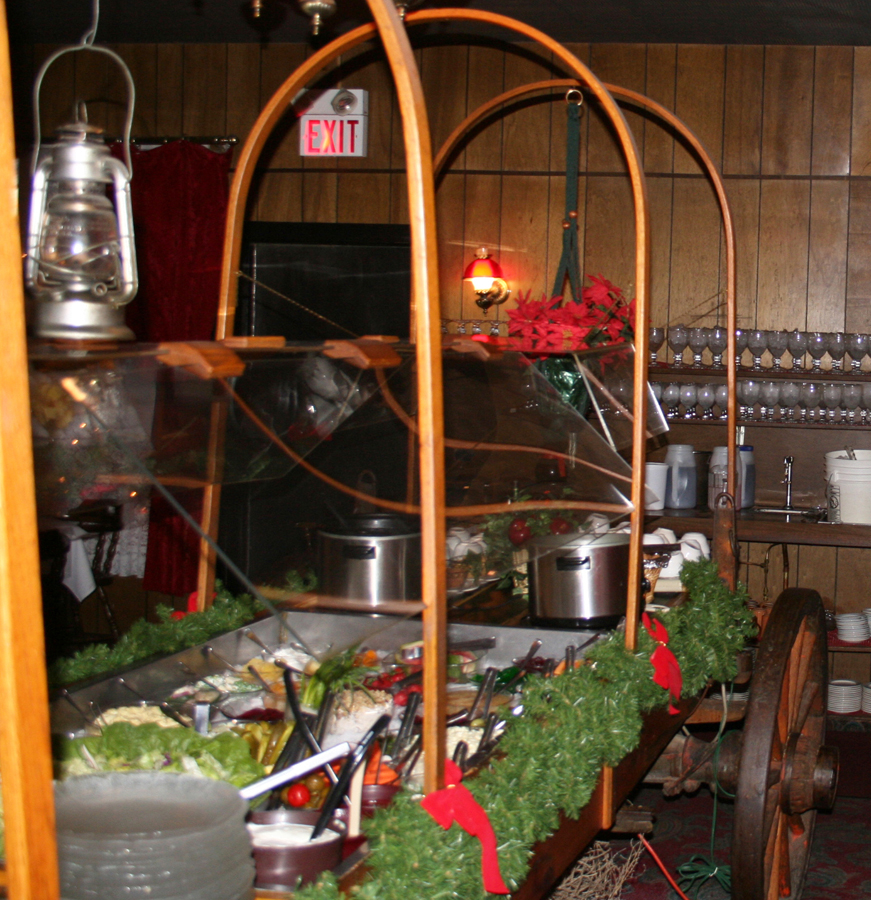
Cavalryman Steakhouse was famous for their Wagon Wheel Salad Bar (pictured in 2006). We still have customers asking about the old salad bar to this day — which was made from a real frontier wagon much like the pioneers used to traverse the Wyoming Territory along the Overland Trail (not far from the restaurant location). The old wagon has been preserved and remains in storage.

History of Cavalryman Steakhouse
Cavalryman Steakhouse is located on the parade grounds of historic Fort Sanders, established in July of 1866. Originally named Fort Buford, for Major General John Buford, the post was designated Fort Sanders on September 5, 1866, in honor of Brigadier General William P. Sanders. In its heyday, the Fort Sanders Military Reservation protected the Overland and Lodgepole Creek emigrant routes, the Denver-Salt Lake City stage route, and the construction crews for the Union Pacific Railroad.

The post headquarters were laid out according to standard military plans around a parade ground some 400 ft. by 200 ft. in size. Troops from Companies A and F of the Third Battalion, 18th Infantry, and Company G of the 2nd Cavalry salvaged logs from the decommissioned Forts Collins and Halleck to build the barracks and kitchens, as well as the officers’ quarters on the southeastern side of the parade grounds.

Ruins of the Fort’s powder keg are visible just southwest of the restaurant’s main building. The Cavalryman Steakhouse building was built in 1925 to serve as the clubhouse for the local country club. Just to the east, remnants of the nine-hole golf course can still be found, with the pro shop building still standing just to the southeast.

On March 1, 1970, Robert & Betty Gerard founded the Cavalryman Supper Club in its present location. Cavalryman Steakhouse quickly became known as a great western steakhouse. Marion Griffin and various partners owned and operated the restaurant from 1975 to 2005. In January 2006, a group of investors purchased the restaurant with the intent of honoring its rich tradition while modernizing the restaurant concept. In December 2012, the local managing partner acquired the business and revitalized this historic steakhouse.
Resources

Old Cavalryman Logo

240-Old-Logo

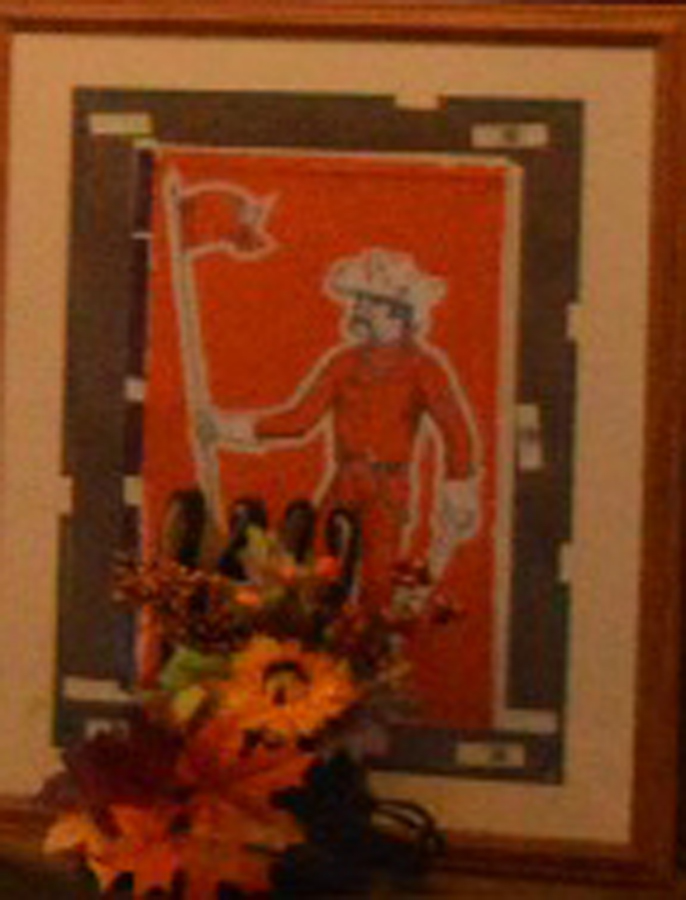
This is the original Cavalryman Steakhouse logo (pictured in 2006), which depicts the rich heritage and history of this memorable site.

History of Cavalryman Steakhouse
Cavalryman Steakhouse is located on the parade grounds of historic Fort Sanders, established in July of 1866. Originally named Fort Buford, for Major General John Buford, the post was designated Fort Sanders on September 5, 1866, in honor of Brigadier General William P. Sanders. In its heyday, the Fort Sanders Military Reservation protected the Overland and Lodgepole Creek emigrant routes, the Denver-Salt Lake City stage route, and the construction crews for the Union Pacific Railroad.

The post headquarters were laid out according to standard military plans around a parade ground some 400 ft. by 200 ft. in size. Troops from Companies A and F of the Third Battalion, 18th Infantry, and Company G of the 2nd Cavalry salvaged logs from the decommissioned Forts Collins and Halleck to build the barracks and kitchens, as well as the officers’ quarters on the southeastern side of the parade grounds.

Ruins of the Fort’s powder keg are visible just southwest of the restaurant’s main building. The Cavalryman Steakhouse building was built in 1925 to serve as the clubhouse for the local country club. Just to the east, remnants of the nine-hole golf course can still be found, with the pro shop building still standing just to the southeast.

On March 1, 1970, Robert & Betty Gerard founded the Cavalryman Supper Club in its present location. Cavalryman Steakhouse quickly became known as a great western steakhouse. Marion Griffin and various partners owned and operated the restaurant from 1975 to 2005. In January 2006, a group of investors purchased the restaurant with the intent of honoring its rich tradition while modernizing the restaurant concept. In December 2012, the local managing partner acquired the business and revitalized this historic steakhouse.
Resources


Cavalryman Stage

230-Cav-band-color

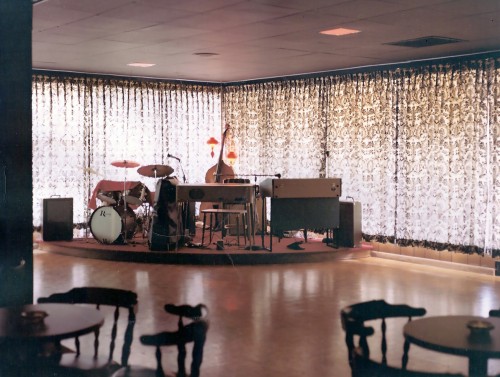
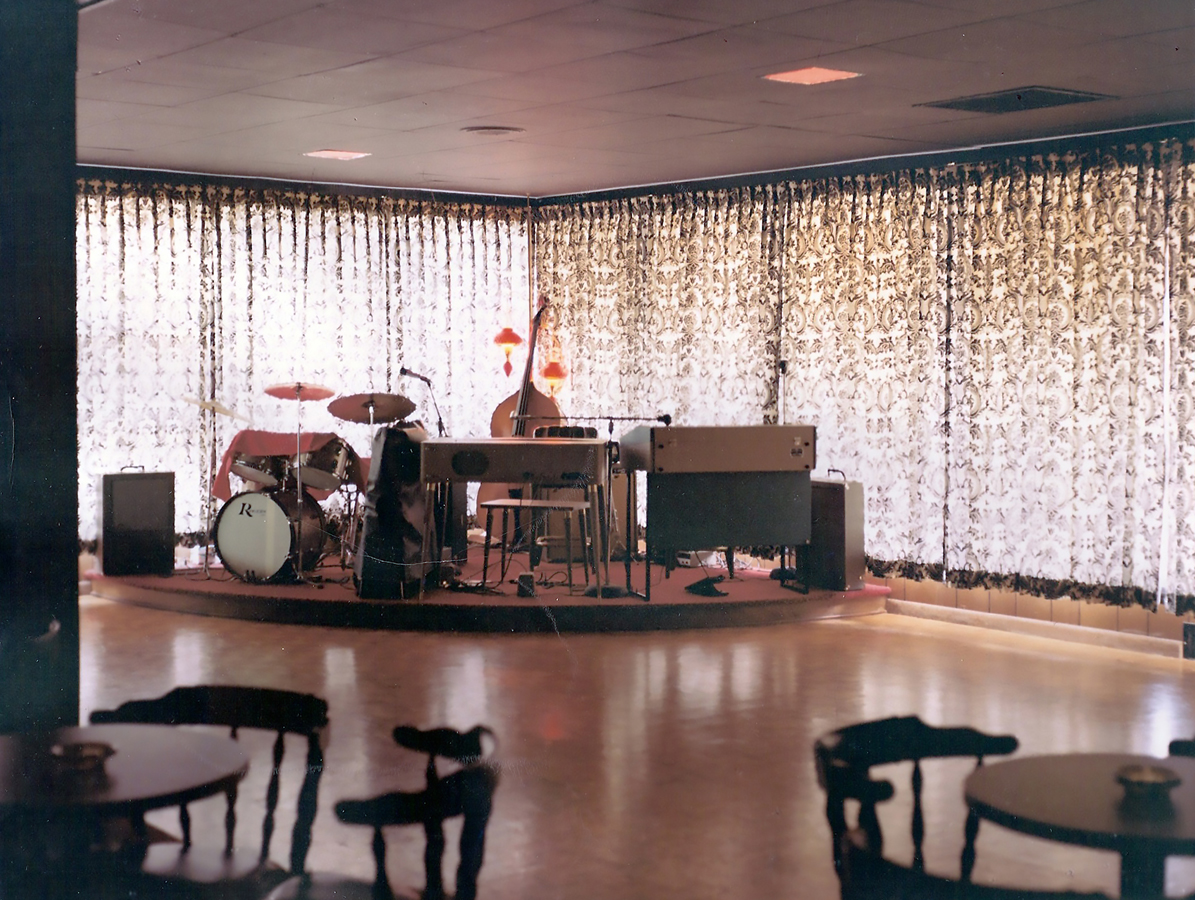
The Cavalryman Steakhouse stage, where live music could be heard and danced to, pictured here in the early 1970’s shortly after the restaurant opened. The same stage has been preserved and is often used for live performances today. This area of the Atrium was once the swimming pool of the Laramie Country Club.

History of Cavalryman Steakhouse
Cavalryman Steakhouse is located on the parade grounds of historic Fort Sanders, established in July of 1866. Originally named Fort Buford, for Major General John Buford, the post was designated Fort Sanders on September 5, 1866, in honor of Brigadier General William P. Sanders. In its heyday, the Fort Sanders Military Reservation protected the Overland and Lodgepole Creek emigrant routes, the Denver-Salt Lake City stage route, and the construction crews for the Union Pacific Railroad.

The post headquarters were laid out according to standard military plans around a parade ground some 400 ft. by 200 ft. in size. Troops from Companies A and F of the Third Battalion, 18th Infantry, and Company G of the 2nd Cavalry salvaged logs from the decommissioned Forts Collins and Halleck to build the barracks and kitchens, as well as the officers’ quarters on the southeastern side of the parade grounds.

Ruins of the Fort’s powder keg are visible just southwest of the restaurant’s main building. The Cavalryman Steakhouse building was built in 1925 to serve as the clubhouse for the local country club. Just to the east, remnants of the nine-hole golf course can still be found, with the pro shop building still standing just to the southeast.

On March 1, 1970, Robert & Betty Gerard founded the Cavalryman Supper Club in its present location. Cavalryman Steakhouse quickly became known as a great western steakhouse. Marion Griffin and various partners owned and operated the restaurant from 1975 to 2005. In January 2006, a group of investors purchased the restaurant with the intent of honoring its rich tradition while modernizing the restaurant concept. In December 2012, the local managing partner acquired the business and revitalized this historic steakhouse.
Resources

Cavalryman Bar in the 1970’s

225-Cav-bar-b&w

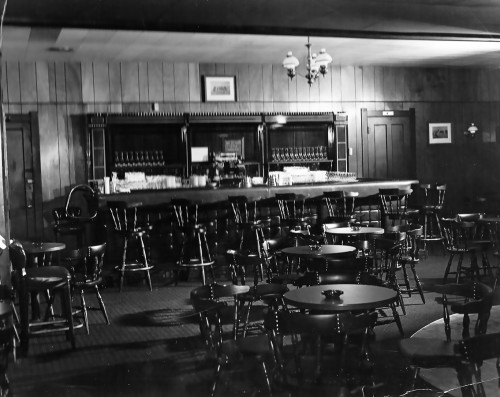
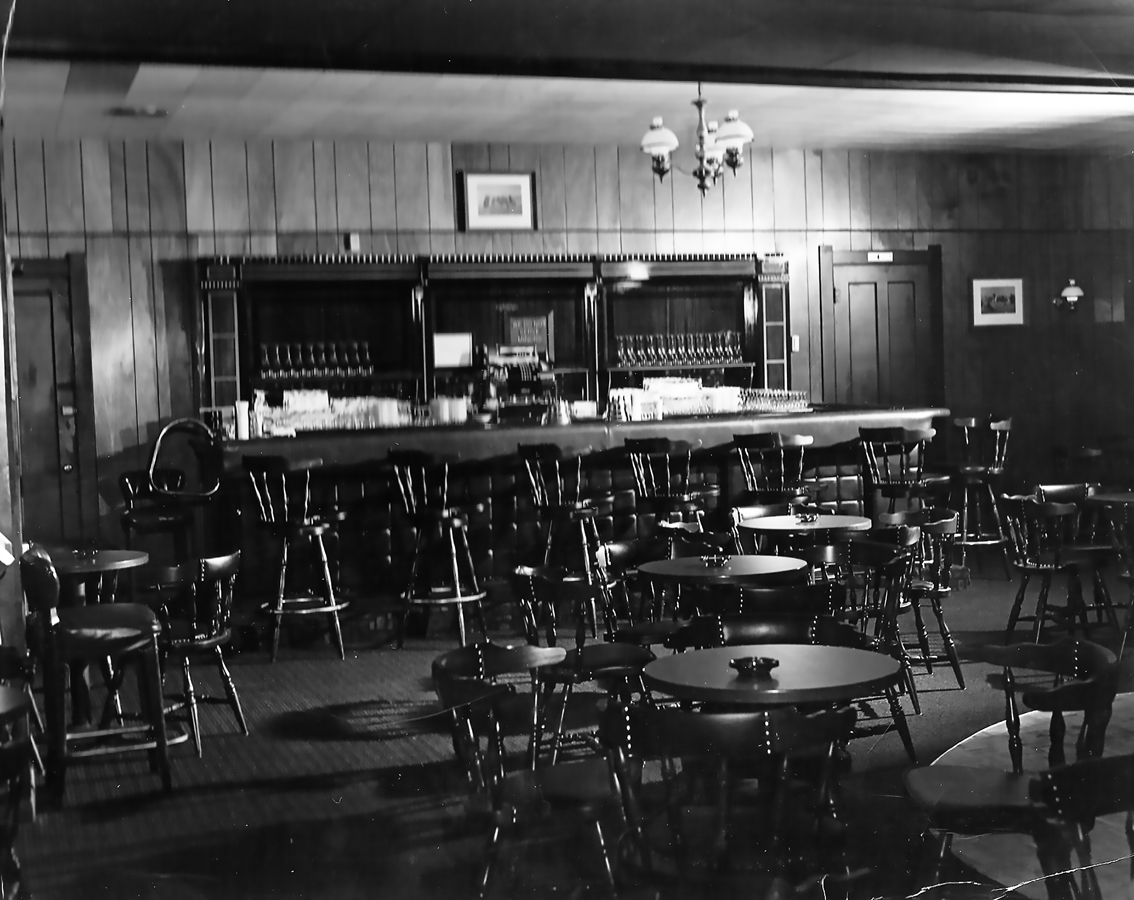
Cavalryman Steakhouse bar, pictured in the early 1970’s shortly after the restaurant opened. Many of the items pictured here have been preserved to retain a similar look today.

History of Cavalryman Steakhouse
Cavalryman Steakhouse is located on the parade grounds of historic Fort Sanders, established in July of 1866. Originally named Fort Buford, for Major General John Buford, the post was designated Fort Sanders on September 5, 1866, in honor of Brigadier General William P. Sanders. In its heyday, the Fort Sanders Military Reservation protected the Overland and Lodgepole Creek emigrant routes, the Denver-Salt Lake City stage route, and the construction crews for the Union Pacific Railroad.

The post headquarters were laid out according to standard military plans around a parade ground some 400 ft. by 200 ft. in size. Troops from Companies A and F of the Third Battalion, 18th Infantry, and Company G of the 2nd Cavalry salvaged logs from the decommissioned Forts Collins and Halleck to build the barracks and kitchens, as well as the officers’ quarters on the southeastern side of the parade grounds.

Ruins of the Fort’s powder keg are visible just southwest of the restaurant’s main building. The Cavalryman Steakhouse building was built in 1925 to serve as the clubhouse for the local country club. Just to the east, remnants of the nine-hole golf course can still be found, with the pro shop building still standing just to the southeast.

On March 1, 1970, Robert & Betty Gerard founded the Cavalryman Supper Club in its present location. Cavalryman Steakhouse quickly became known as a great western steakhouse. Marion Griffin and various partners owned and operated the restaurant from 1975 to 2005. In January 2006, a group of investors purchased the restaurant with the intent of honoring its rich tradition while modernizing the restaurant concept. In December 2012, the local managing partner acquired the business and revitalized this historic steakhouse.
Resources


Women at the Golf Course

215-Miriam-Corthell-Moreland-on-left-Old-Country-Club
Photo and information used with the courtesy of Ann Mullen Boelter.

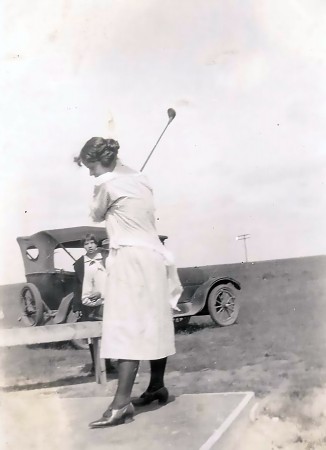
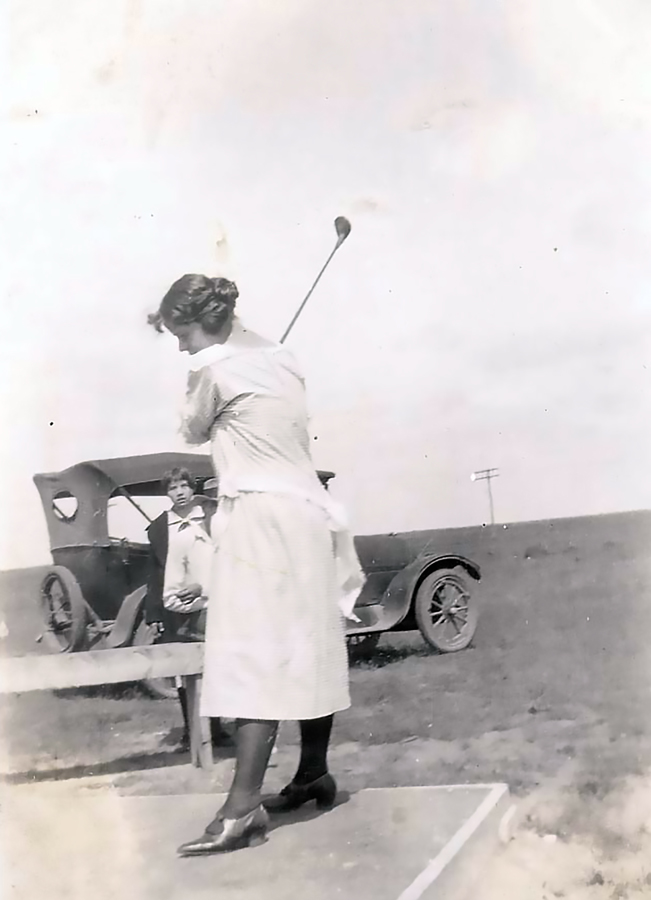
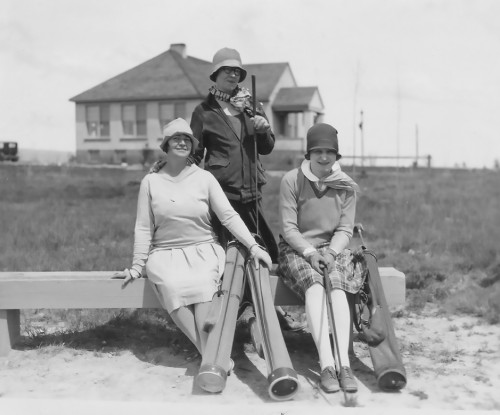
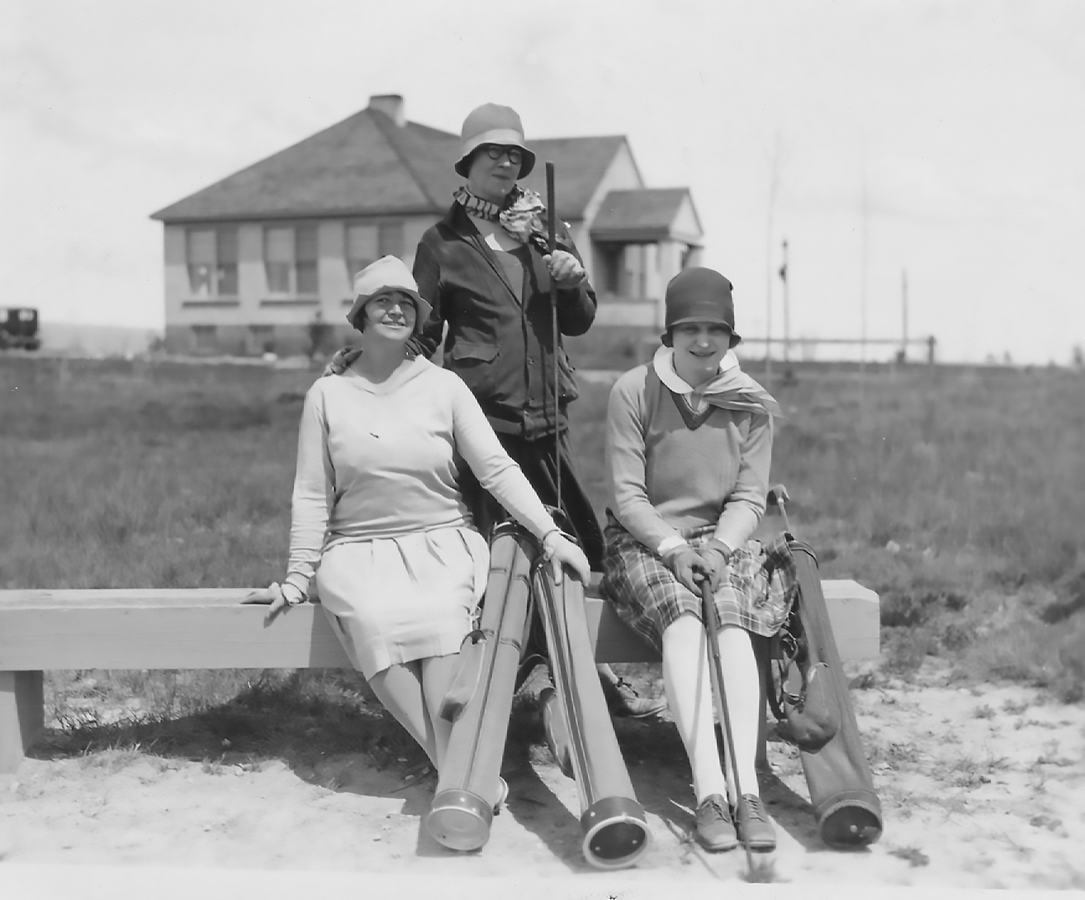
Miriam Moreland Corthell, on the left, with friends in the early days of the Laramie Country Club Golf Course. In the background is the country club clubhouse, pictured from the south facing north. The building now houses the Cavalryman Steakhouse. While there have been some additions made to the building over the years, the basic structure still remains the same.

The building was constructed in 1925, designed by famous local architect Wilbur Hitchock to serve as the clubhouse for the local Laramie Country Club. It had a nine hole golf course built on sand as well as a swimming pool. The country club moved to the west side of town in the 1960’s and the building was abandoned for 10 years. In 1970, Bob and Betty Gerard founded the Cavalryman Supper Club in its present location. Just to the east of the building, remnants of the nine-hole golf course can still be found.

History of Cavalryman Steakhouse
Cavalryman Steakhouse is located on the parade grounds of historic Fort Sanders, established in July of 1866. Originally named Fort Buford, for Major General John Buford, the post was designated Fort Sanders on September 5, 1866, in honor of Brigadier General William P. Sanders. In its heyday, the Fort Sanders Military Reservation protected the Overland and Lodgepole Creek emigrant routes, the Denver-Salt Lake City stage route, and the construction crews for the Union Pacific Railroad.

The post headquarters were laid out according to standard military plans around a parade ground some 400 ft. by 200 ft. in size. Troops from Companies A and F of the Third Battalion, 18th Infantry, and Company G of the 2nd Cavalry salvaged logs from the decommissioned Forts Collins and Halleck to build the barracks and kitchens, as well as the officers’ quarters on the southeastern side of the parade grounds.

Ruins of the Fort’s powder keg are visible just southwest of the restaurant’s main building. The Cavalryman Steakhouse building was built in 1925 to serve as the clubhouse for the local country club. Just to the east, remnants of the nine-hole golf course can still be found, with the pro shop building still standing just to the southeast.

On March 1, 1970, Robert & Betty Gerard founded the Cavalryman Supper Club in its present location. Cavalryman Steakhouse quickly became known as a great western steakhouse. Marion Griffin and various partners owned and operated the restaurant from 1975 to 2005. In January 2006, a group of investors purchased the restaurant with the intent of honoring its rich tradition while modernizing the restaurant concept. In December 2012, the local managing partner acquired the business and revitalized this historic steakhouse.
Resources

Miriam Corthell Moreland Golfing

210-MiriamCorthellMorelandGolfing2
Photo and information used with the courtesy of Ann Mullen Boelter.

Miram Moreland Corthell was a part of the Corthell family, who held a high social standing in the community and were very active in the development of Laramie.

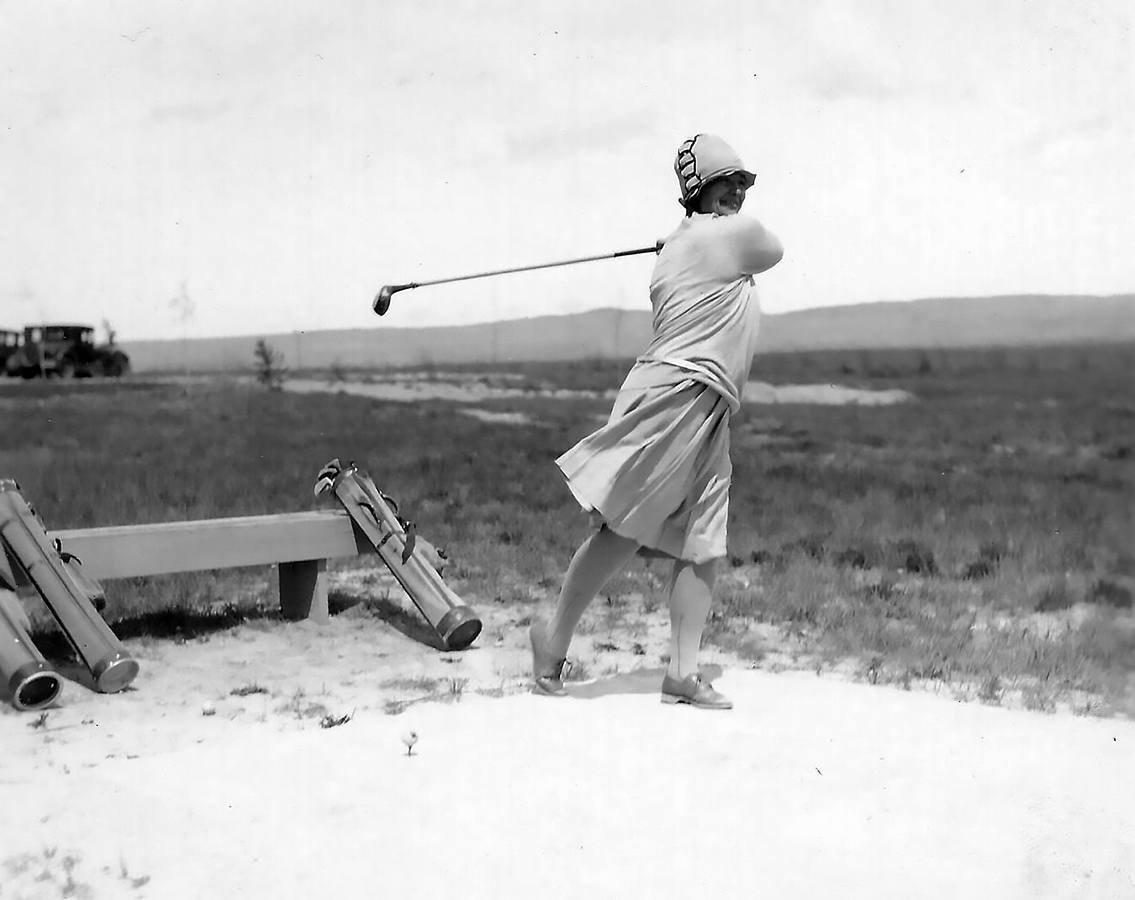
The building the Cavalryman Steakhouse occupies today was built in 1925 to serve as the clubhouse for the local Laramie Country Club. It had a nine hole golf course built on sand as well as a swimming pool. Pictured here we see Miriam Mooreland Corthell being her typical active self, playing golf at the country club golf course. The country club moved to the west side of town in the 1960’s and the building was abandoned for 10 years. In 1970, Bob and Betty Gerard founded the Cavalryman Supper Club in its present location. Just to the east, remnants of the nine-hole golf course can still be found.

History of Cavalryman Steakhouse
Cavalryman Steakhouse is located on the parade grounds of historic Fort Sanders, established in July of 1866. Originally named Fort Buford, for Major General John Buford, the post was designated Fort Sanders on September 5, 1866, in honor of Brigadier General William P. Sanders. In its heyday, the Fort Sanders Military Reservation protected the Overland and Lodgepole Creek emigrant routes, the Denver-Salt Lake City stage route, and the construction crews for the Union Pacific Railroad.

The post headquarters were laid out according to standard military plans around a parade ground some 400 ft. by 200 ft. in size. Troops from Companies A and F of the Third Battalion, 18th Infantry, and Company G of the 2nd Cavalry salvaged logs from the decommissioned Forts Collins and Halleck to build the barracks and kitchens, as well as the officers’ quarters on the southeastern side of the parade grounds.

Ruins of the Fort’s powder keg are visible just southwest of the restaurant’s main building. The Cavalryman Steakhouse building was built in 1925 to serve as the clubhouse for the local country club. Just to the east, remnants of the nine-hole golf course can still be found, with the pro shop building still standing just to the southeast.

On March 1, 1970, Robert & Betty Gerard founded the Cavalryman Supper Club in its present location. Cavalryman Steakhouse quickly became known as a great western steakhouse. Marion Griffin and various partners owned and operated the restaurant from 1975 to 2005. In January 2006, a group of investors purchased the restaurant with the intent of honoring its rich tradition while modernizing the restaurant concept. In December 2012, the local managing partner acquired the business and revitalized this historic steakhouse.
Resources

Woman Teeing Off

205-Hostess-golf-2

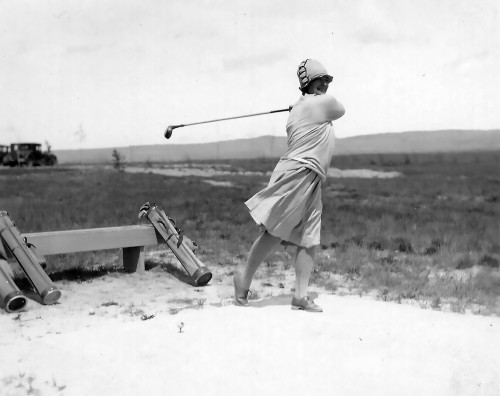
The building the Cavalryman Steakhouse occupies today was initially built in 1925 to serve as the clubhouse for the local Laramie Country Club. It had a nine hole golf course built on sand as well as a swimming pool. Here we see one of the members teeing off at the Country Club Golf Course. The Country Club moved to the west side of town in the 1960’s and the building was abandoned for 10 years. In 1970, Bob and Betty Gerard founded the Cavalryman Supper Club in its present location. Just to the east, remnants of the nine-hole golf course can still be found.

History of Cavalryman Steakhouse
Cavalryman Steakhouse is located on the parade grounds of historic Fort Sanders, established in July of 1866. Originally named Fort Buford, for Major General John Buford, the post was designated Fort Sanders on September 5, 1866, in honor of Brigadier General William P. Sanders. In its heyday, the Fort Sanders Military Reservation protected the Overland and Lodgepole Creek emigrant routes, the Denver-Salt Lake City stage route, and the construction crews for the Union Pacific Railroad.

The post headquarters were laid out according to standard military plans around a parade ground some 400 ft. by 200 ft. in size. Troops from Companies A and F of the Third Battalion, 18th Infantry, and Company G of the 2nd Cavalry salvaged logs from the decommissioned Forts Collins and Halleck to build the barracks and kitchens, as well as the officers’ quarters on the southeastern side of the parade grounds.

Ruins of the Fort’s powder keg are visible just southwest of the restaurant’s main building. The Cavalryman Steakhouse building was built in 1925 to serve as the clubhouse for the local country club. Just to the east, remnants of the nine-hole golf course can still be found, with the pro shop building still standing just to the southeast.

On March 1, 1970, Robert & Betty Gerard founded the Cavalryman Supper Club in its present location. Cavalryman Steakhouse quickly became known as a great western steakhouse. Marion Griffin and various partners owned and operated the restaurant from 1975 to 2005. In January 2006, a group of investors purchased the restaurant with the intent of honoring its rich tradition while modernizing the restaurant concept. In December 2012, the local managing partner acquired the business and revitalized this historic steakhouse.
Resources

Elinore Pruitt Stewart

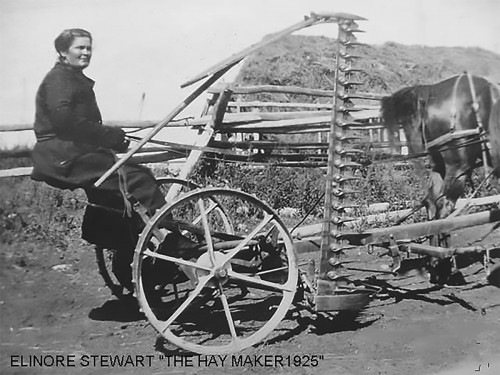
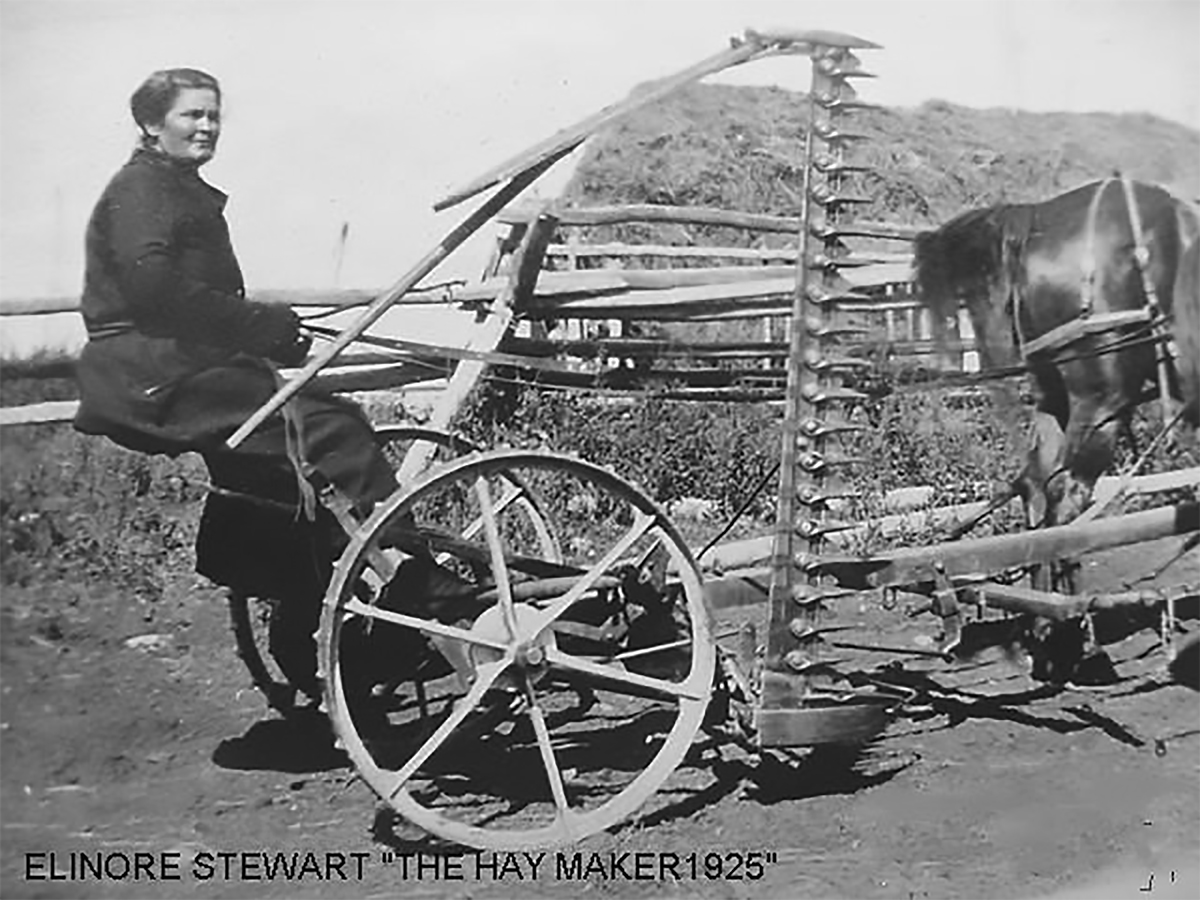
Above - Elinore Stewart on a horse-drawn hay mower, 1925.
Elinore Pruitt Stewart documented her life as a woman homesteader in Wyoming.

In the early 1900s, Elinore Pruitt was the ultimate single mother in search of a better life for herself and her young daughter in the Chickasaw Nation, Indian Territory of Oklahoma.

She took a position as a domestic for a widowed schoolteacher in Denver, Colorado, but an ad in the Denver Post caught her eye and changed her life forever. Clyde Stewart, a rancher in a small Wyoming hamlet known as “Burntfork” was seeking help to run his homestead ranch following the death of his wife. Not only did Pruitt and Stewart meet, but they also married, and, under the Homestead Act, Elinore filed her own 160-acre claim near his.

Although single women made up roughly 12 percent of all homesteaders, what set Elinore apart from the others is that she documented her homestead experiences in southwestern Wyoming in numerous detailed letters and stories that were frank, vivid, eloquent and perceptive.

 “To me, homesteading is the solution of all poverty’s problems, but I realize that temperament has much to do with success in any undertaking, and persons afraid of coyotes and work and loneliness had better let ranching alone. At the same time, any woman who can stand her own company, can see the beauty of the sunset, loves growing things, and is willing to put in as much time at careful labor as she does over the washtub, will certainly succeed, will have independence, plenty to eat all the time, and a home of her own in the end.” —  Elinore Pruitt Stewart, Jan. 23, 1913

Two collections of Elinore’s writings were published as Letters of a Woman Homesteader, which was the basis for the film “Heartland,” and Letters on an Elk Hunt.

Learn more about Elinore Pruitt Stewart

Resources

Chief Washakie

517-chief_washakie-dura

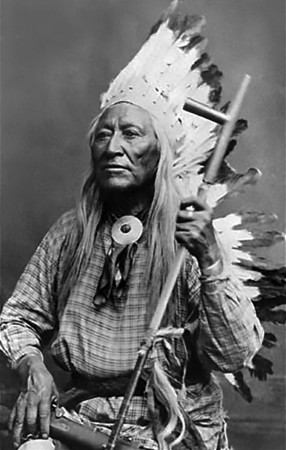
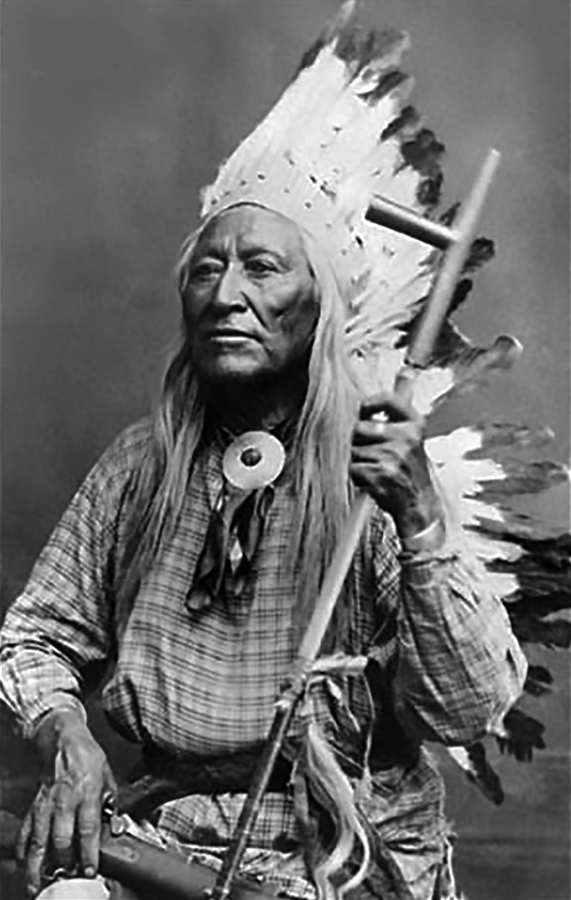
Chief Washakie  (1804—1900) was a Shoshone chief who performed extraordinary acts of friendship for white settlers while exhibiting tremendous prowess as a warrior against his people’s tribal enemies. When wagon trains were passing through Shoshone country in the 1850s, Washakie and his people aided the overland travelers in fording streams and recovering strayed cattle. He was also a scout for the U.S. Army.

Washakie served as representative for both the Shoshone and the Bannock tribes at the 1868 Fort Bridger negotiations. As a result, Washakie’s people surrendered the Green River Valley of eastern Utah and southern Wyoming to provide the right of way for the Union Pacific Railroad. Today, the Wind River Reservation serves as the contemporary home of the Eastern Shoshone and Northern Arapahoe tribes. The reservation covers more than 2.2 million acres in central Wyoming’s beautiful Wind River Basin.

A statue of Washakie was given to the National Statuary Hall Collection by Wyoming in 2000. Washakie’s prowess in battle, his efforts for peace, and his commitment to his people’s welfare made him one of the most respected leaders in Native American history. Another statue can be seen in front of the Wyoming State Capitol.

Learn more about Chief Washakie. 

Resources

The Physics Lab

1485-Physics-lab-dura
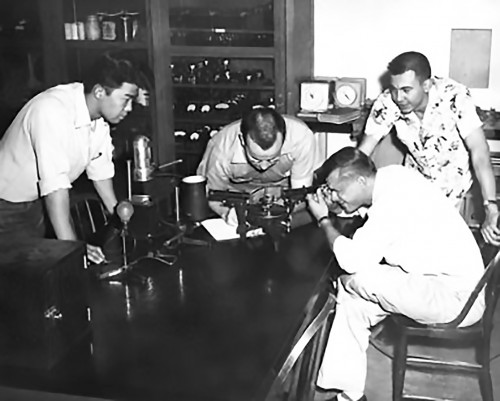
The physics lab at the University of Wyoming.

In 1999, the University of Wyoming considered closing its physics and astronomy department citing a decline in the number of physics and astronomy majors.  If they had done so, UW would have been the only state university without such a program.

Not only did the University of Wyoming avoid closing the physics and astronomy program, but it also received an astounding $5 million donation from the Hess Corporation in 2013 to support research and buy equipment for the Hess Digital Rock Physics Laboratory.

The lab does proprietary research for the company related to the unconventional recovery of gas and oil.

Learn more about the history of the University of Wyoming. 

Resources