All posts by CavalrymanSteakhouse

Carnegie Library

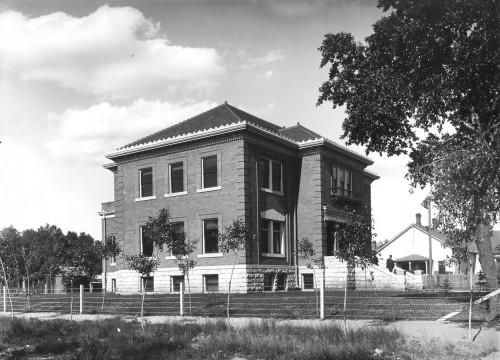
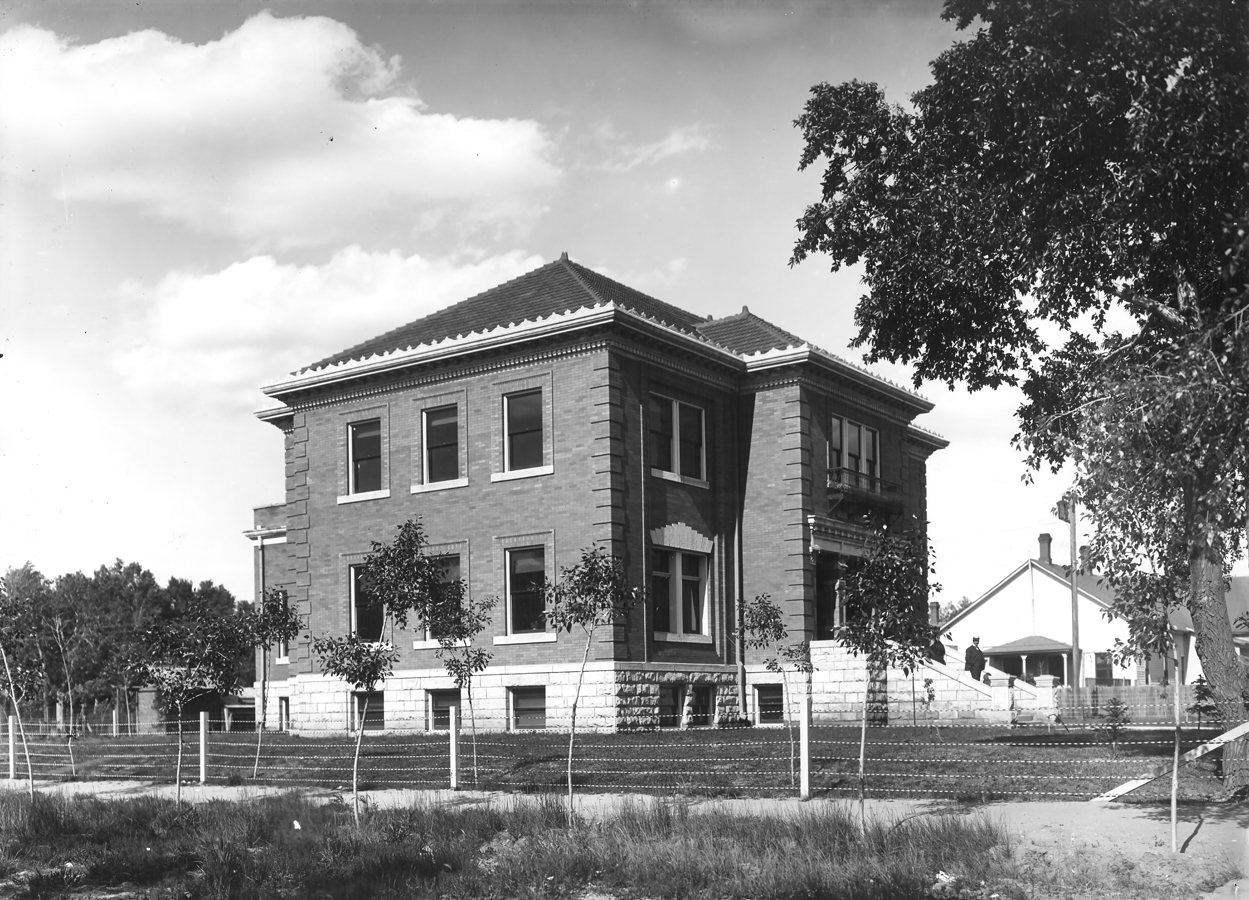
843-Stimson-Neg-1429.-Carnagie-Library,-Laramie-City,-Wyo-dura

In 1870, Dr. John Finfrock housed the first collection of more than 1,000 books from the newly formed Wyoming Library and Literary Association at his offices on South A Street in Laramie. In 1902, Eli Crumrine and Dr. Aven Nelson successfully petitioned the Andrew Carnegie foundation for a $20,000 grant to support a public library in Laramie.

The Carnegie Library still stands today at 4th and Grand Avenue, although the Albany County Library system has two other branches in Centennial and Rock River, Wyoming.

Learn more about the Albany County Library System.

Resources

The Frontier Hotel

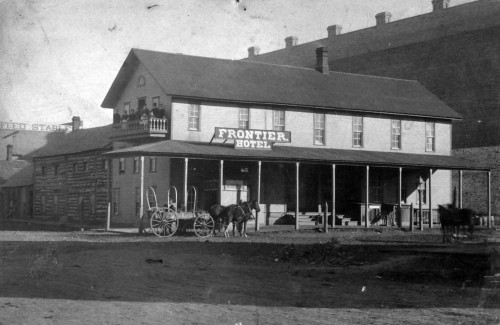
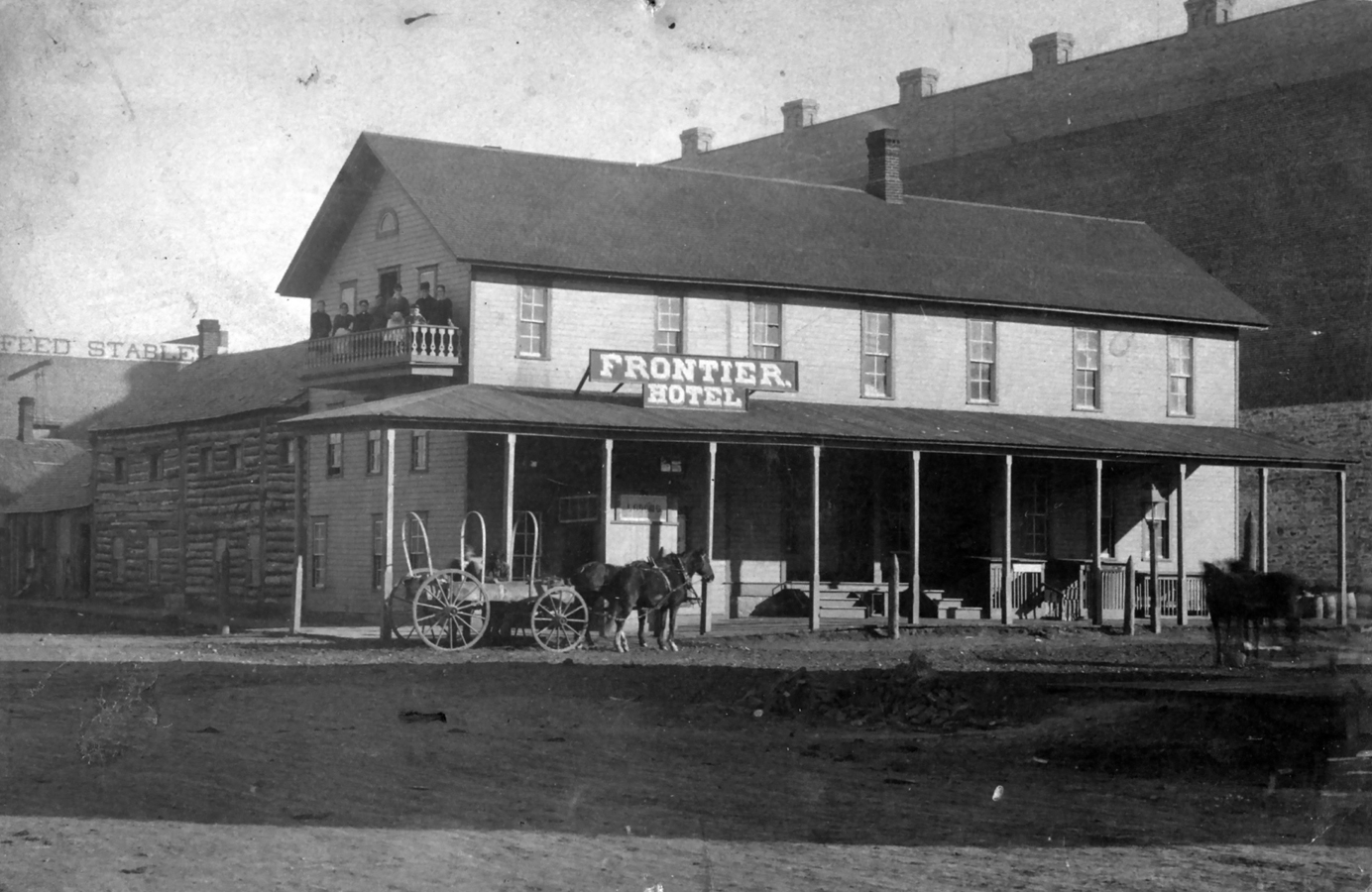
840-Frontier-Hotel-DuraThe original structure of the Frontier Hotel in Laramie was nothing more than a log building built by Legh and Frederick Freeman, publishers of the Frontier Index. Forced to leave Fort Sanders in the 1860s for printing less than flattering remarks about the Fort’s commanding officer, General Gibbons, the Freemans built a log structure for themselves in Laramie that was large enough for the printing press, a living room, and several rooms to let. They called it the “Frontier Hotel.”

The Freemans sold the hotel to William Crout, a frontiersman who added on to the building and enjoyed much success – as well as many wives — throughout the years he owned the hotel. Locally, the Frontier Hotel was famous for its unfinished shed, which was used as the gallows to hang “Big Steve” Long and his half brothers, Ace and Con Moyer, men who had intimidated area ranchers into signing over the deeds to their ranches.

Sam Steward, an African American cowboy known as “Bronco Sam” and his wife Kitty lived at the Frontier Hotel for many years. Believing Kitty to be unfaithful, Sam shot Kitty and then turned the gun on himself. She survived three days and he survived ten before succumbing to the gunshot wounds.

Learn more about the Frontier Hotel. 

Resources

Newspapers

841-Bill-Nye
 
At the end of the Civil War, Virginian journalist brothers Legh and Frederick Freeman decided to follow the Union Pacific Railroad’s progress to extend its tracks to the West coast with their newspaper called “The Frontier Index.”

Newspapers to follow included the “Laramie Sentinel” (1878-1895), the “Laramie Republican,” the “Boomerang” and the “Daily Times.”

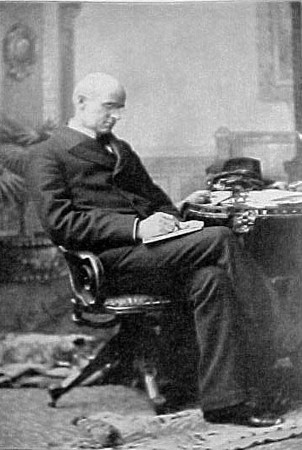
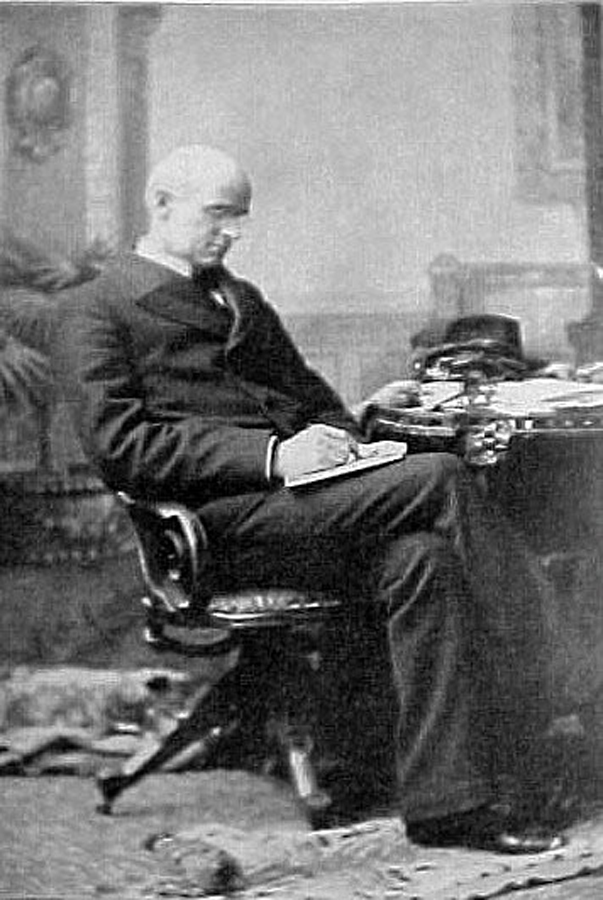
A group of influential Republicans organized the “Laramie Daily Boomerang” in the late 1880s and hired Edgar Wilson “Bill” Nye – lawyer, justice of the peace, United States commissioner and national newspaper correspondent – as the editor and manager. The Boomerang was named for Nye’s mule. The Boomerang newspaper is still in operation today.

Learn more about the history of Laramie newspapers and others across the state of Wyoming. 

Resources

Boswell the Warden

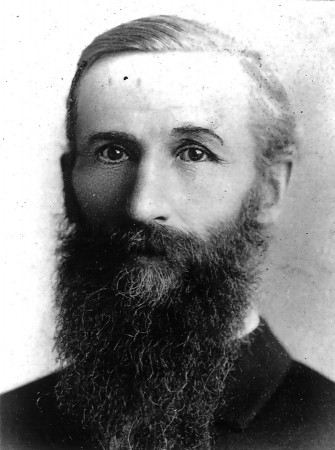
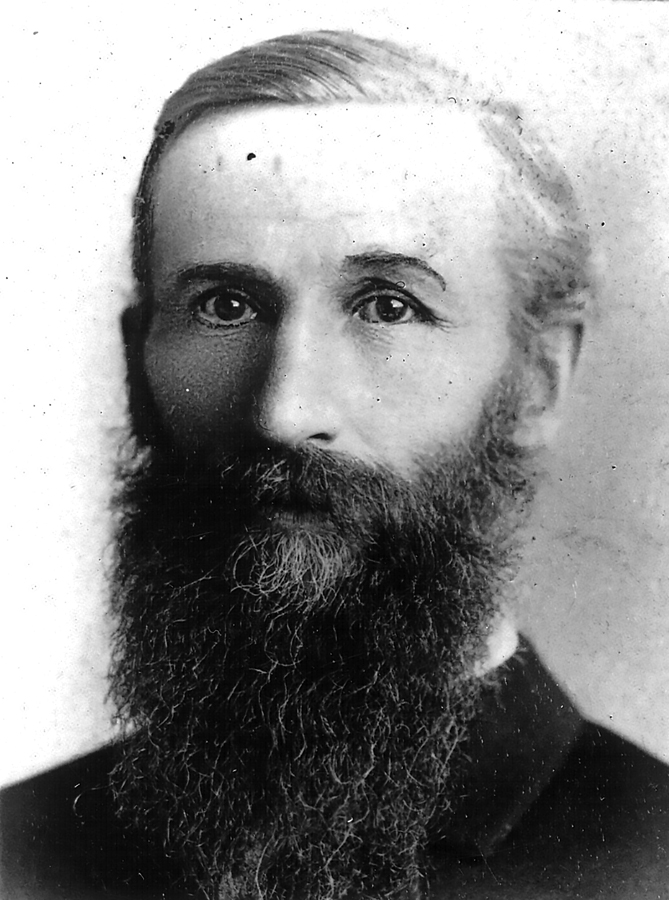
845-Thorp-Neg-166,-NK-Boswell,-portrait-younger-duraNathaniel K. Boswell was the first warden of the Wyoming Territorial Prison in Laramie in the 1860s. During his career, he arrested Jack McCall, the man who shot “Wild Bill” Hickok in Deadwood City, South Dakota. Boswell also arrested the notorious stage robber George “Big Nose” Parrott.

Boswell was a Republican who participated in Theodore Roosevelt’s famous 55-mile ride from Laramie to Cheyenne.

Learn more about N. K. Boswell. 

Resources

The Keystone Dance Hall

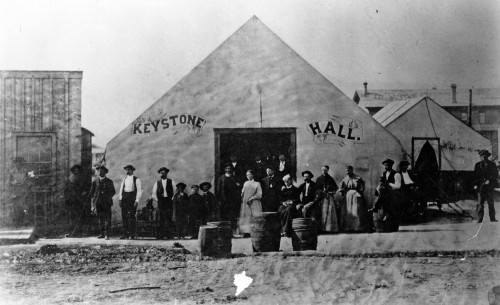
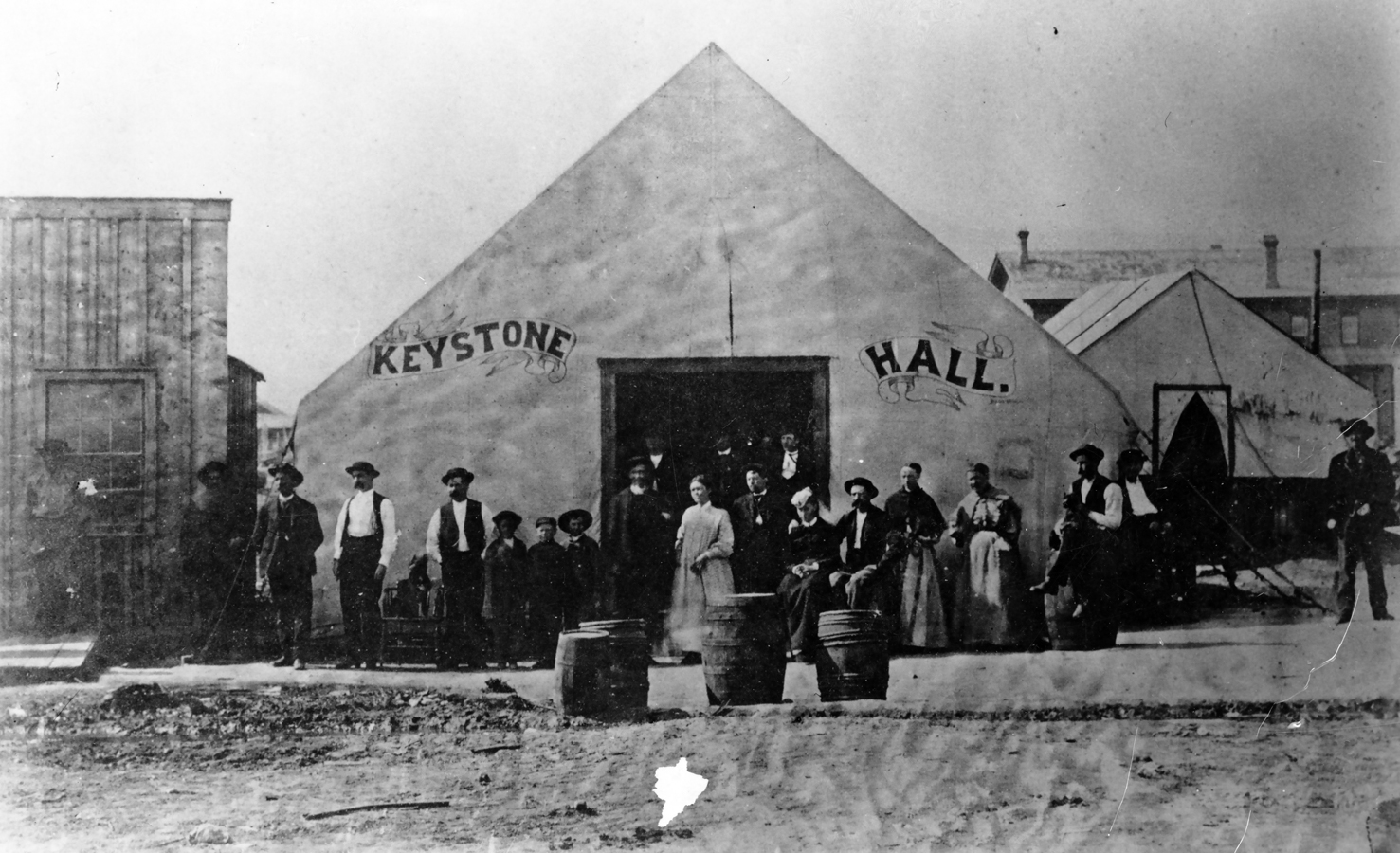
835-Keystone-Hotel

 Southeast Wyoming is known for being dry and dusty today, but imagine what it was like in the late 1860s as the railroad expanded west!

The term “Hell on Wheels” was coined by newspaper editor Samuel Bowles to describe the gambling houses, dance halls, saloons and brothels of all sorts that sprouted up along the tracks as the Union Pacific Railroad workers made their way westward. Once it was determined that the train would be coming through an area, the nearest town was considered an “end-of-track” town. Hell on Wheels. End of the Track. With so little entertainment to offer the vast numbers of men who arrived to work on the rail line, a place like the Keystone Dance Hall in Laramie was one of the few attractions to pass the time.

Learn more about the Keystone Dance Hall. 

Resources

Laramie’s Vigilante Justice

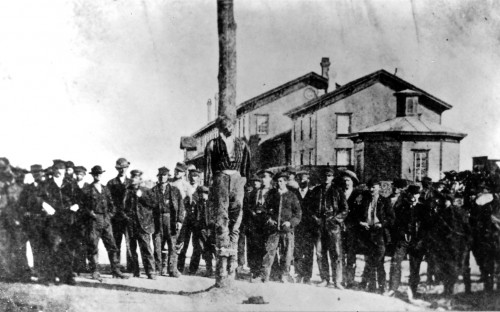
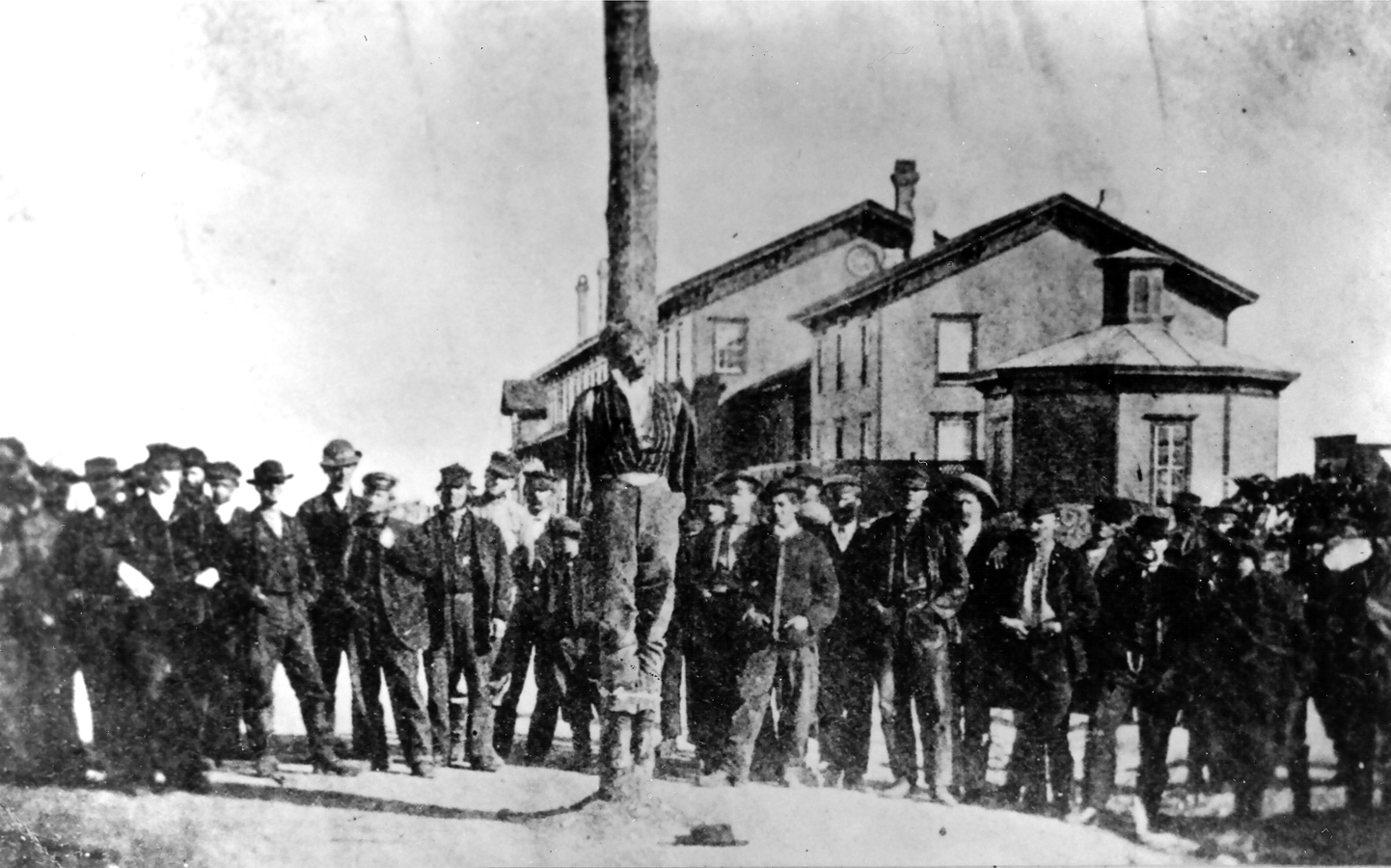
830-Hanging-of-Big-Steve-Long-at-Laramie-in-1868-Dura

“Big” Steve Long was a gunfighter who was elected deputy marshal of Laramie during its early lawless days at a time when even the newly elected mayor and other government officials resigned within six weeks of each other in 1868.

Long was a violent man who intimidated, robbed and killed many honest men. He and two other lawless men – Ace Moyer and Con Wagner, owners of the Belle of the West Saloon– forced several ranchers to sign over the deeds to their ranches. Many who protested ended up dead, but with no witnesses to the crime.

Finally, N.K. Boswell, a local rancher and later the first sheriff of Albany County (1869), organized several other ranchers to conspire against the three. Their determination resulted in the hangings of Moyer and Wagner and eventually “Big” Steve. N.K. Boswell and the “Committee of Vigilance” brought Laramie back under control.

Learn more about “Big” Steve Long. 

Resources

Cattle Kate

827-Sub-Neg-4104,-Ella-Watson-on-horse-dura

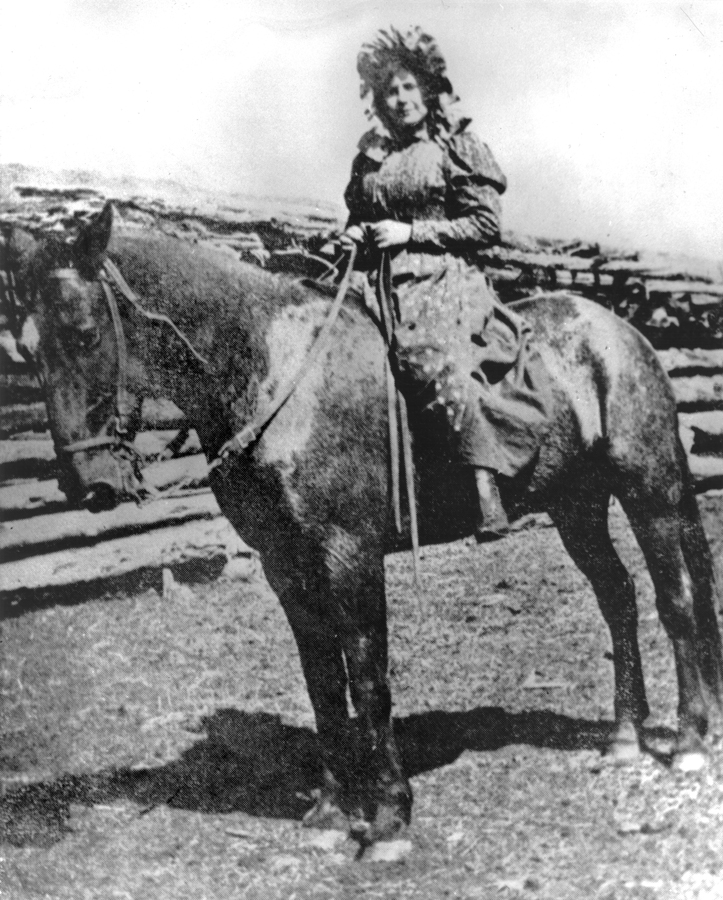
Ellen Liddy Watson — better known as Cattle Kate – was a young woman who escaped an abusive marriage in Kansas and came to Wyoming to homestead land near Lander in the late 1880s.

She and her new partner Jim Averell found themselves pitted in a resource war against the bigger ranchers in the area. Watson and Averell were charged with cattle rustling and were lynched over the Sweetwater River in July 1889. The trial of those accused of the deaths ended in acquittal as witnesses either died, disappeared, were bribed, or were intimidated into silence. The murders of “Cattle Kate”and Jim Averell helped to spark the Johnson County War in 1892.

Learn more about Cattle Kate and the Johnson County War. 

Resources

Calamity Jane

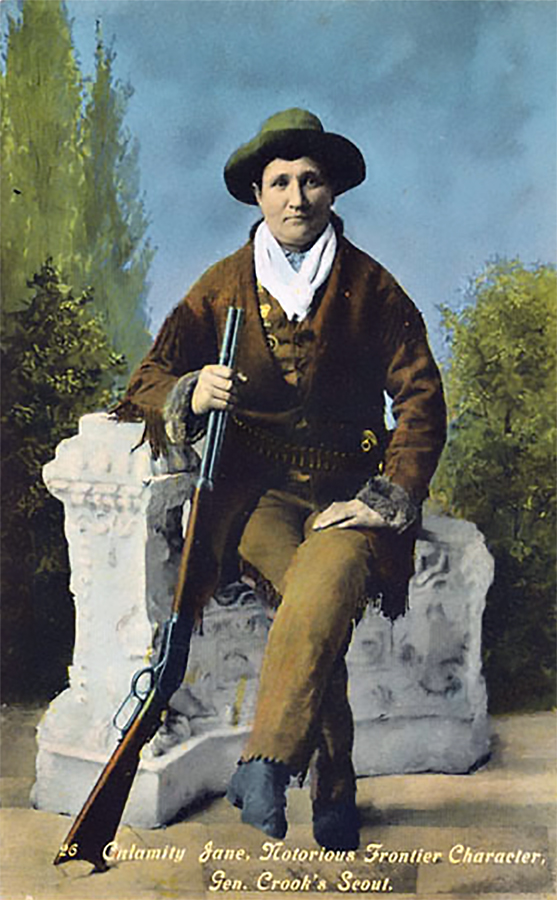
825-Calamaity-Jane-color-large-dura

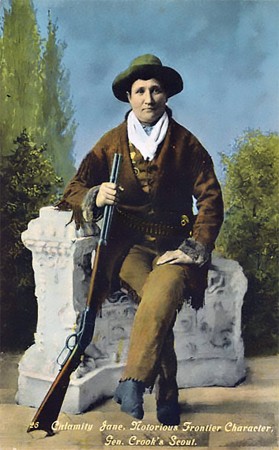
Martha Jane Canary “Calamity Jane” was born May 1, 1852, and was an American frontierswoman and professional scout best known for being an acquaintance of Wild Bill Hickok. She appeared in Buffalo Bill’s Wild West Show and at the 1901 Pan-American Exposition.

There are few substantiated facts about Calamity Jane’s life, but a great deal of legends were promoted by Jane herself. An orphan at an early age, she grew up illiterate and poor, taking any work to survive, including prostitution. “Jane” was known for her habit of wearing men’s attire and suffered from alcoholism and depression. She is also remembered for her kindness and compassion to others, particularly the sick and needy.

Learn more about Calamity Jane. 

Resources

Butch Cassidy’s Death

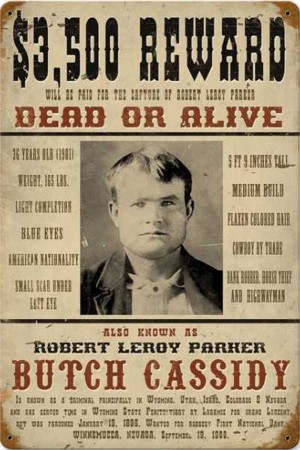
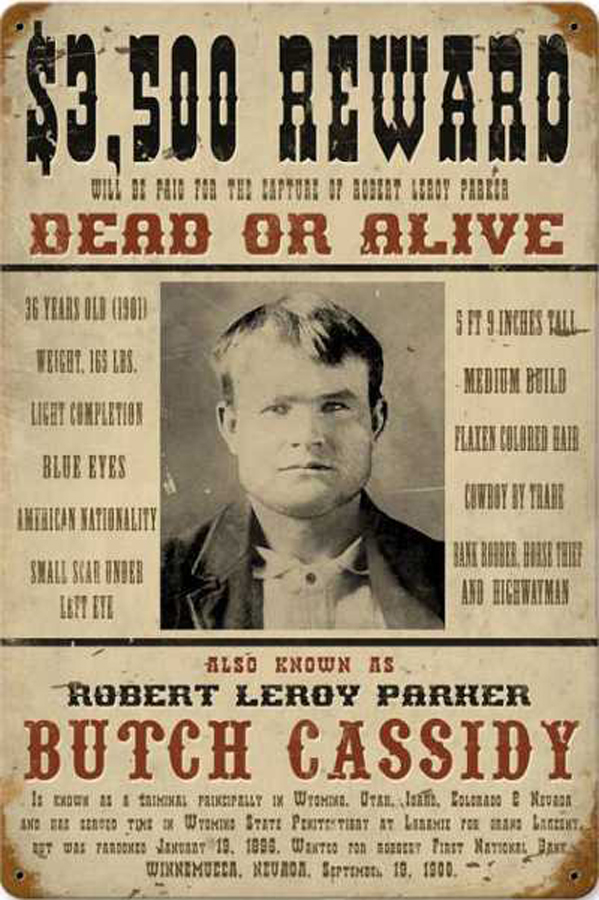
808-wanted-butch
Butch Cassidy was a famous American outlaw who served time in the Wyoming Territorial Prison in Laramie (1894-1896).

Born in Utah in 1866, Cassidy’s real name was Robert LeRoy Parker. He was intermittently a cowboy and a cattle rustler, a bank robber and a train robber who teamed up with a succession of other outlaws. His most notable partner — Harry Longabaugh – was known as the Sundance Kid. Together, they were members of the Wild Bunch.

In 1901, when their capture by either sheriff posses or Pinkerton detectives was imminent, Cassidy and the Sundance Kid escaped to South America where they continued to rob banks, trains and mine stations. No one knows for sure what happened to them in the end. One story has Sundance killed by mounted soldiers in Bolivia, while another has Cassidy returning to the United States and dying in obscurity. The 1969 Academy Award winning movie titled “Butch Cassidy and the Sundance Kid” starred Paul Newman and Robert Redford.

Learn more about Butch Cassidy and the many theories about what really happened at the end of his life. 

Resources

The Wilcox Robbery

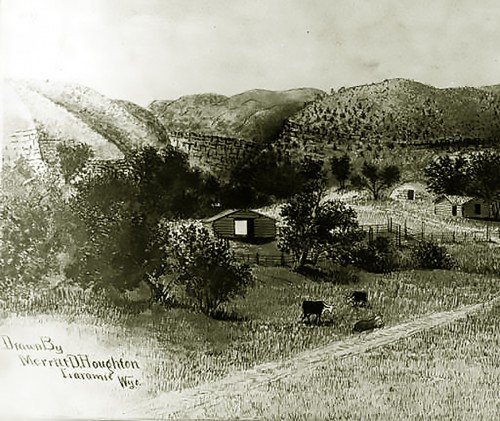
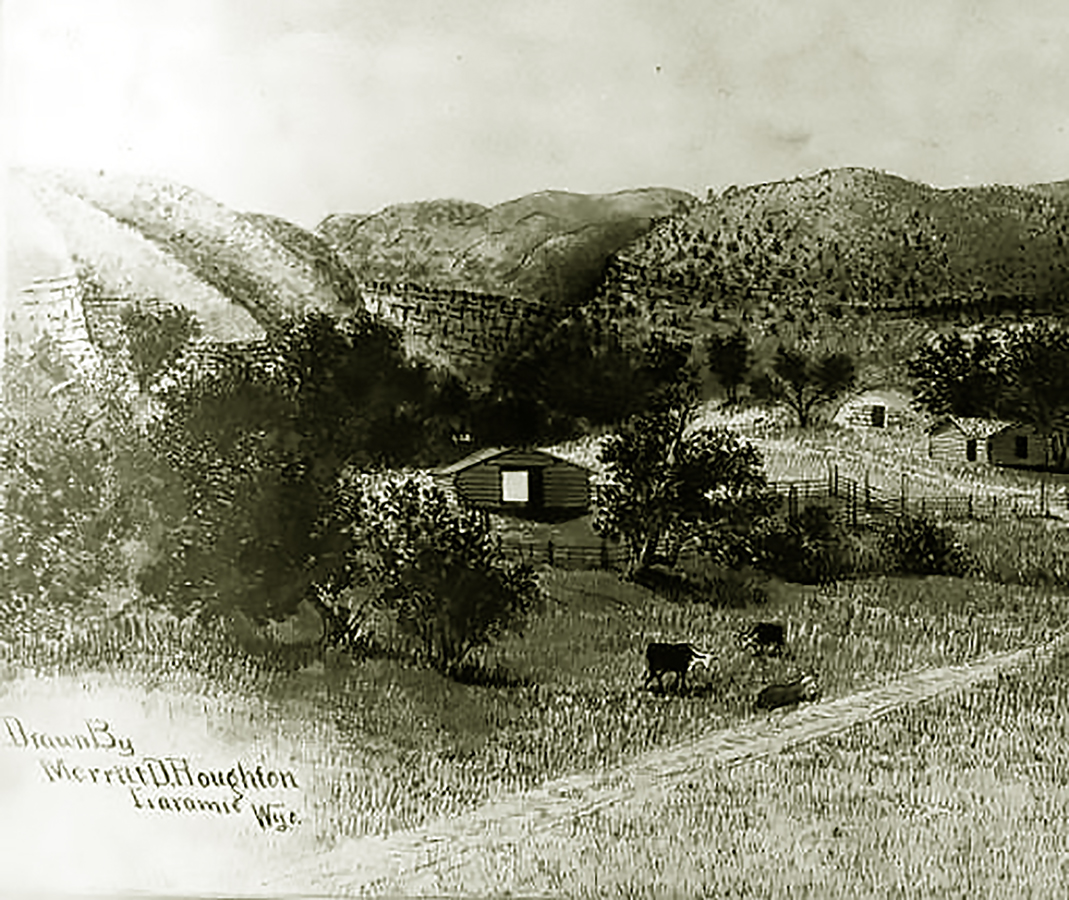
805-holeinthewallhoughton-dura

The Wilcox train robbery occurred at 1:00 a.m. on June 2, 1899, near Wilcox, Wyoming, outside of Laramie. Masked men boarded the Overland Flyer, forced it to a halt and ordered the attendant to open the door. When he refused, the car and safe were blown up; the thieves escaped with $30,000.

The Sun-Leader reported that suspects were the Wild Bunch, led by Butch Cassidy. On the other hand, the Wyoming Derrick reported that the culprits were George Curry and the Roberts brothers. Whomever they were, the authorities believed some of the robbers were heading for Hole in the Wall country in Central Wyoming. There, in a gunfight, Sheriff Joe Hazen was shot and killed, and the robbers escaped across the river.

Another train robbery occurred on August 29, 1900, when robbers seized $50,000 in gold from a Union Pacific train near Tipton, Wyoming. While the robberies were successful, they marked the beginning of the end for the “Wild Bunch.” In 1897, E.H. Harriman took over the railroad and its reconstruction. The special agents he hired, along with the modern communication of long distance telephone service that allowed the agents to trace gang member movements, proved to be the undoing of the gang.

Learn more about the Wilcox robbery and the undoing of the “Wild Bunch.” 

Resources