All posts by CavalrymanSteakhouse

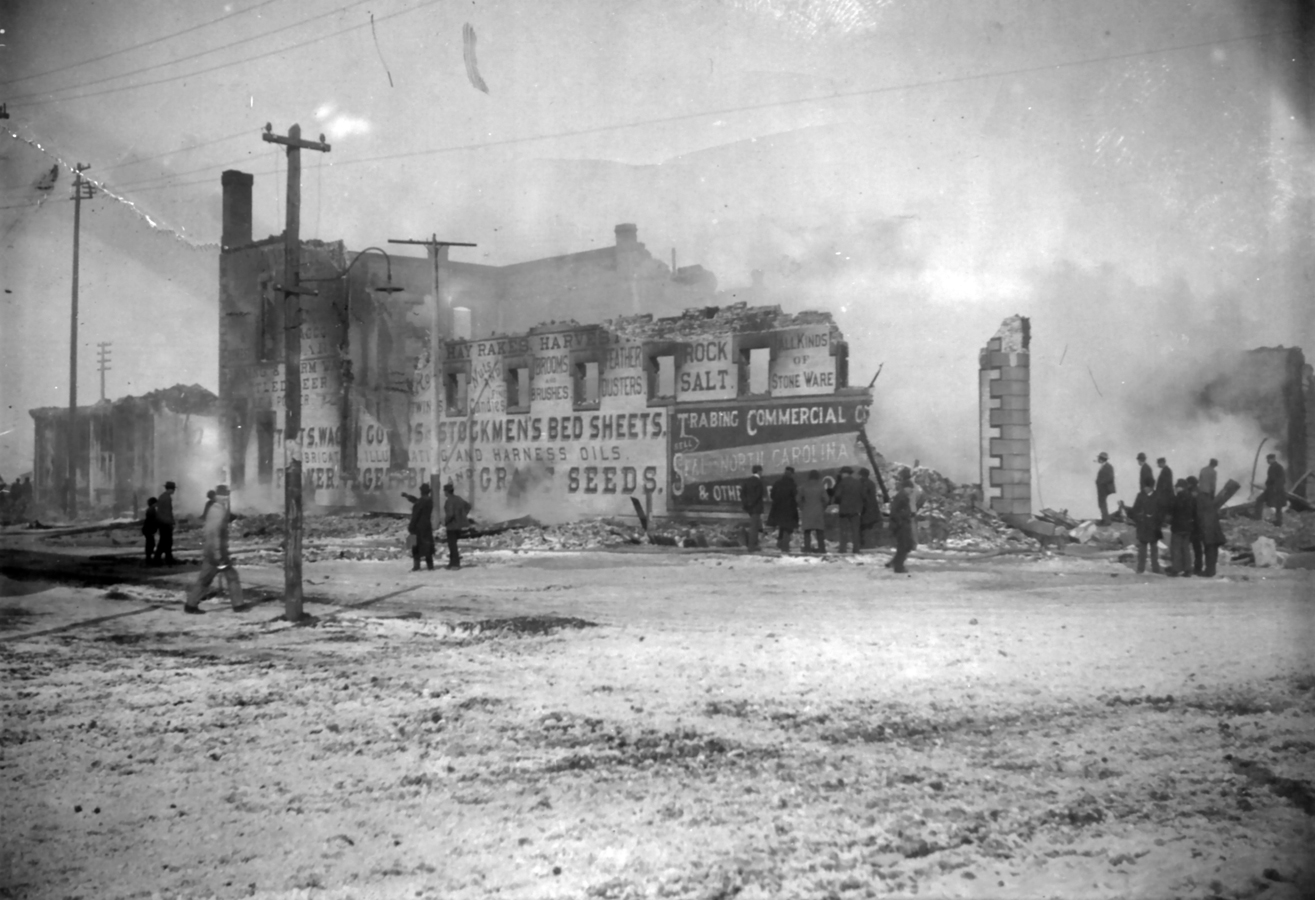
The Trabing Fire

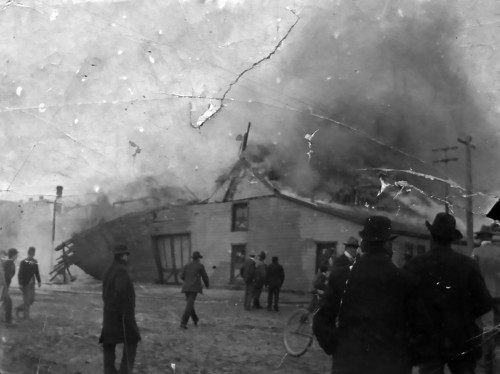
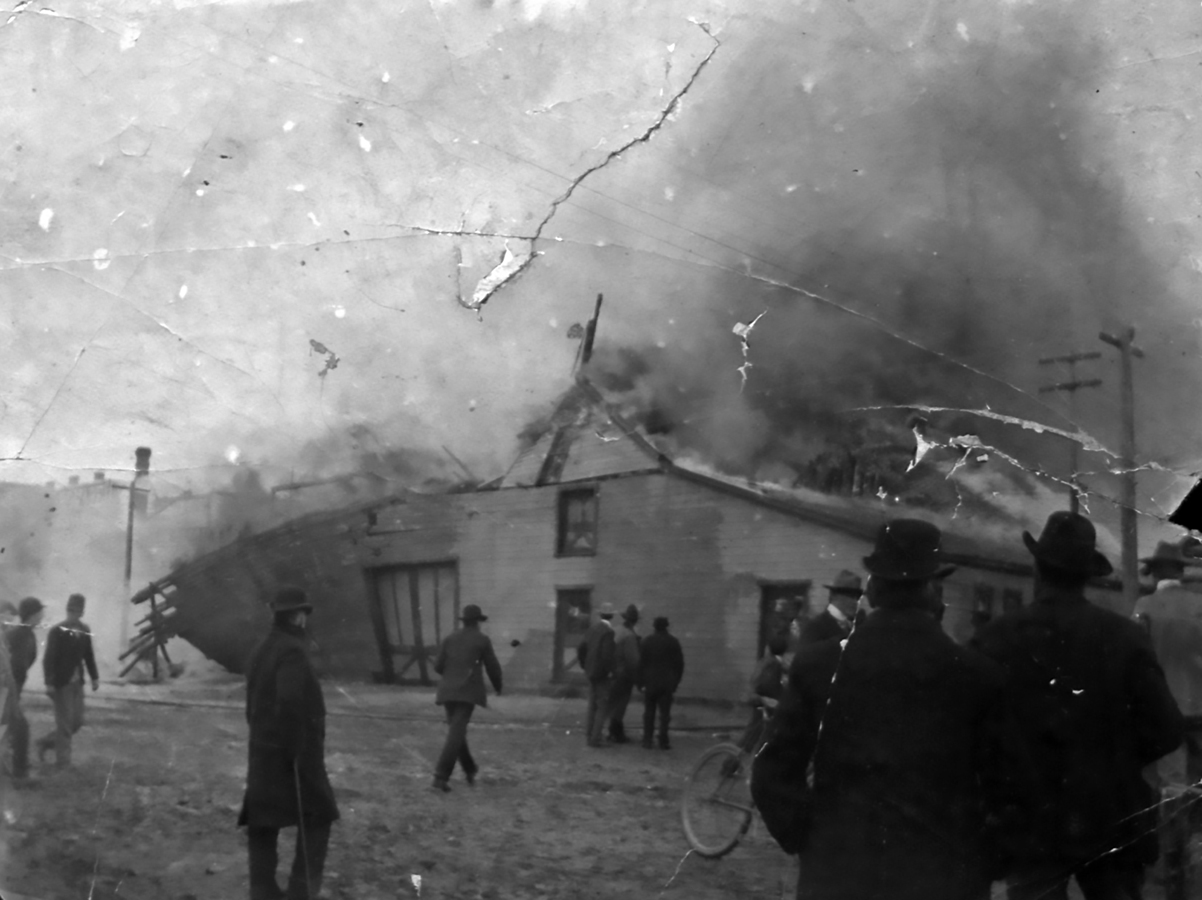
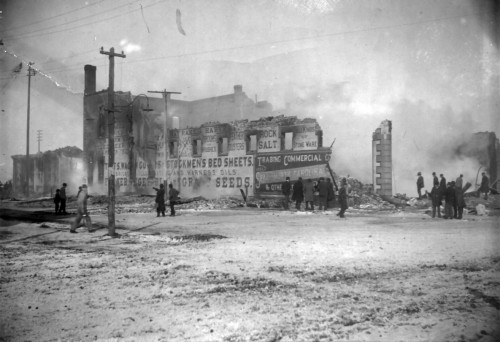
Remains of the Trabing Fire

In 1895, August Trabing’s Grocery Store burned to the ground, causing major financial trouble for the Trabing company and its family members.

The Trabing Brothers, Gus and Charles, seemed to have bad luck where their stores were concerned. Before the grocery store in Laramie, the pair owned a store in Johnson County that was robbed, some say by the Big Nose George Gang. Another store maintained by Charles in Medicine Bow was also robbed and burned to the ground.

Learn more about the fires that have affected Laramie and Wyoming. 
Resources

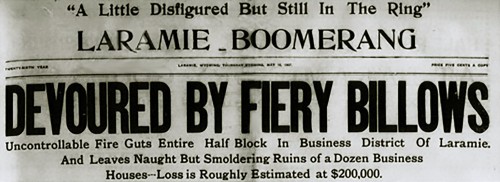
1907 Fire

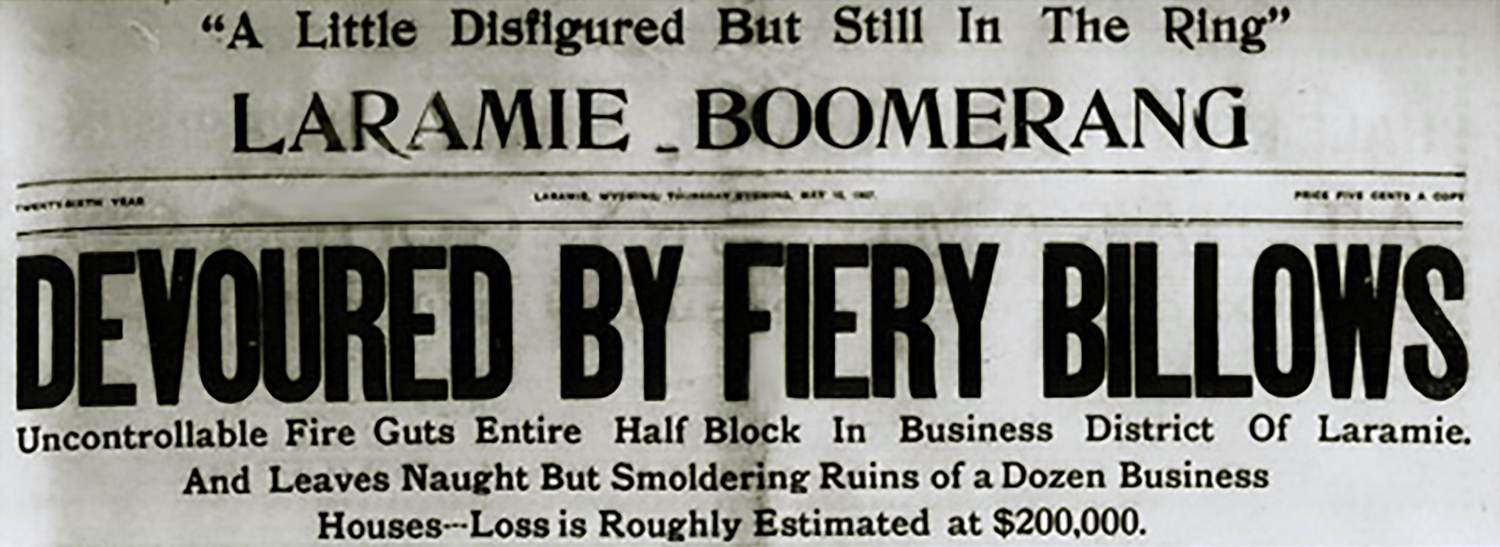
Headline, Laramie Boomerang, May 17, 1907

On May 16, 1907, patrons of the Kuster Hotel observed flames coming from Peterson’s Tailor shop. The Laramie Fire Department was called and the call box at the corner of Thornburg and 2nd Street was activated. Although, the fire department arrived within a few short minutes, the fire was shortly out of control.

Headlines in the next day’s Daily Boomerang indicated the scope of the disaster: the fire extended from Thornburg north to University and from 2nd Street to the alley. Among the businesses destroyed were Kingford’s Cigar Store, Peterson’s Tailor Shop, Eggleston’s cigar store, Miller’s jewelry store, Carter’s jewelry, the Home Restaurant and the Daily Boomerang office and job room.

The Daily Boomerang noted that the monetary damage was not as great as first imagined when reporters where observing the flames approaching their offices.

Learn more about the fires that affected Laramie and Wyoming. 

Resources

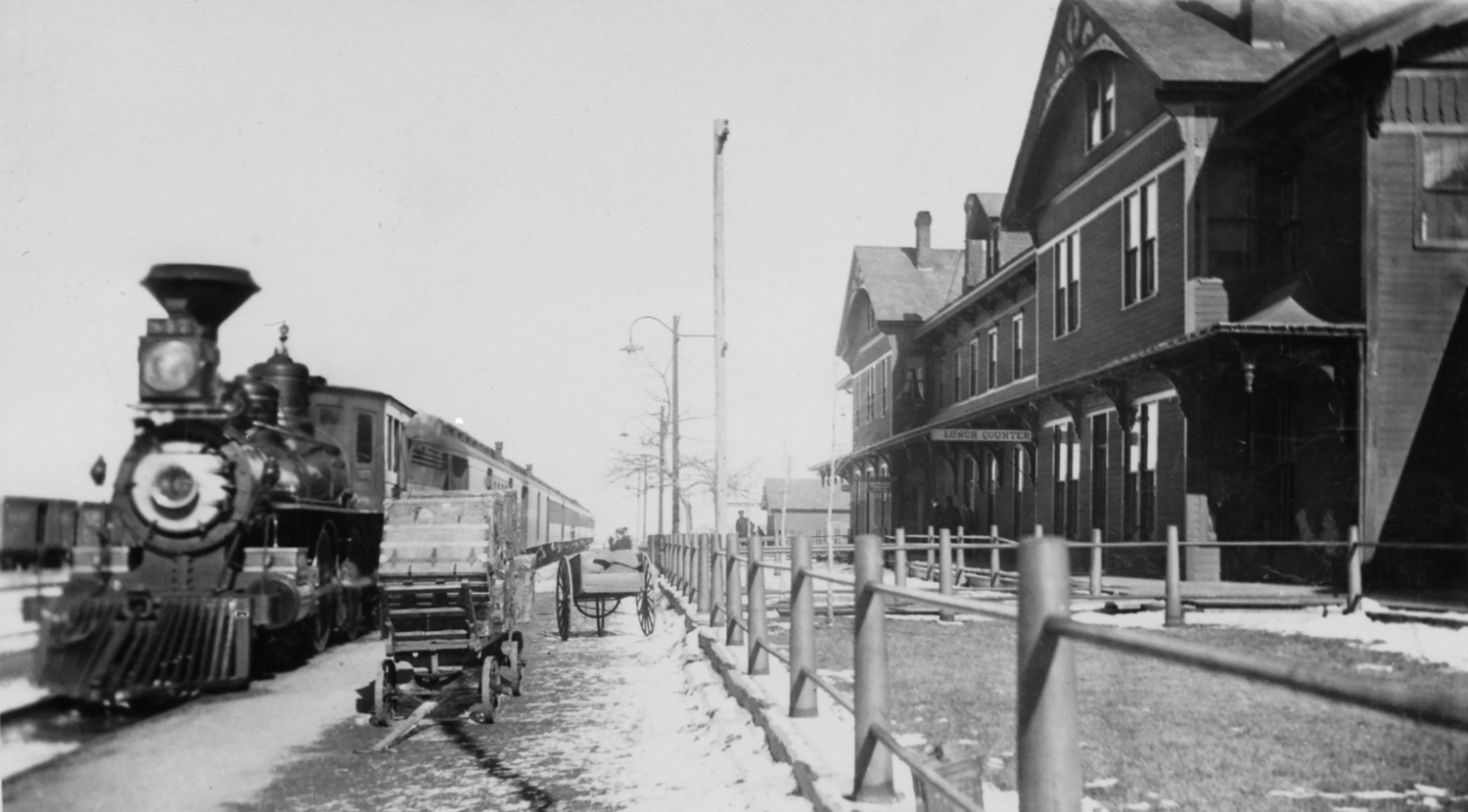
Union Pacific Railroad Depot & Hotel Fire

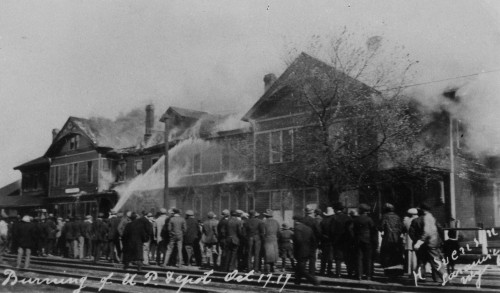
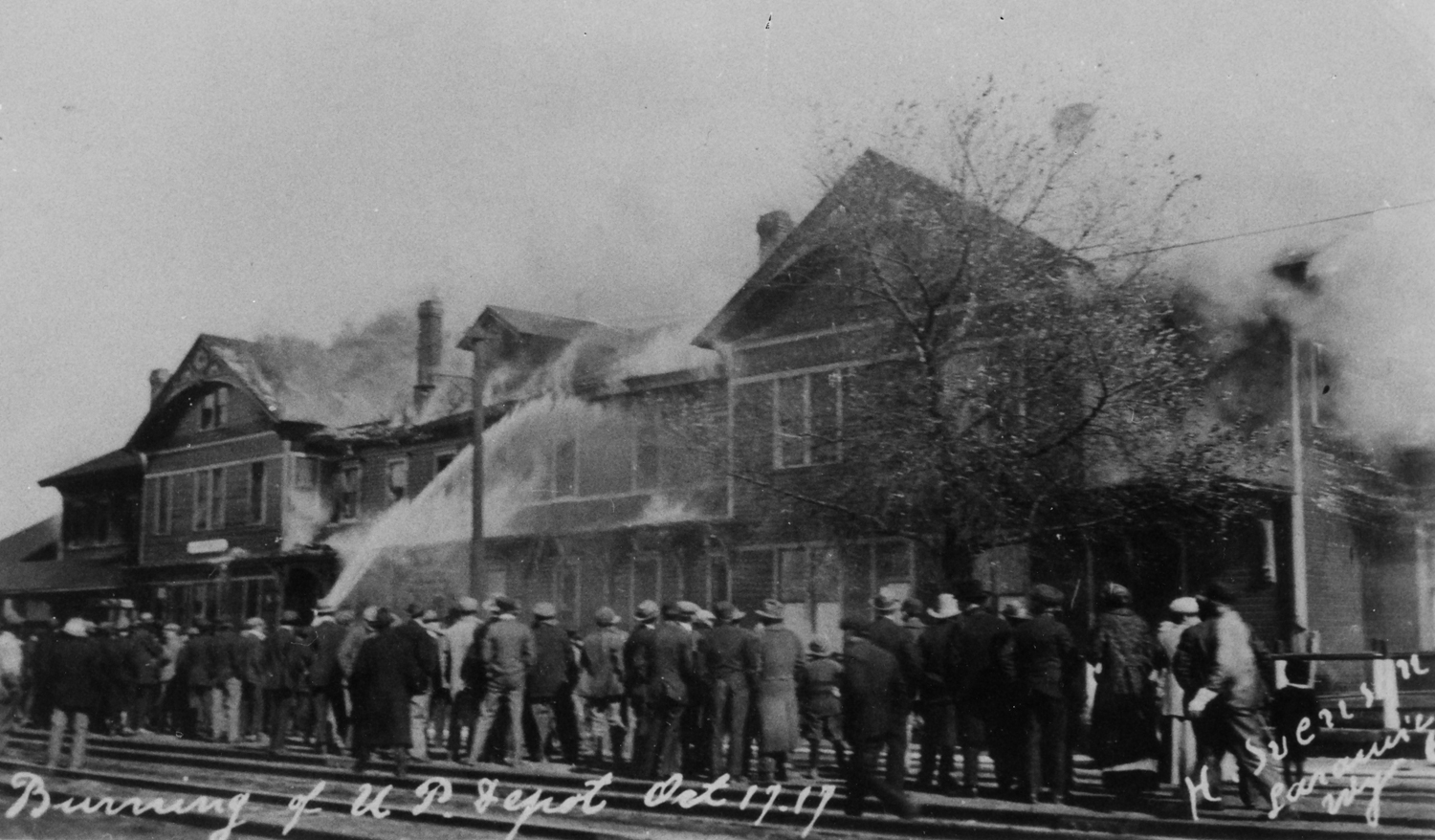
910-UP-Depot-Burning-Dura

Union Pacific Railroad Depot & Hotel Fire — October 1917

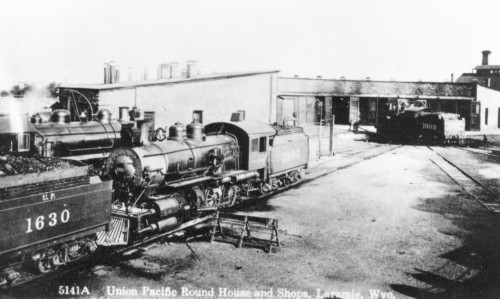
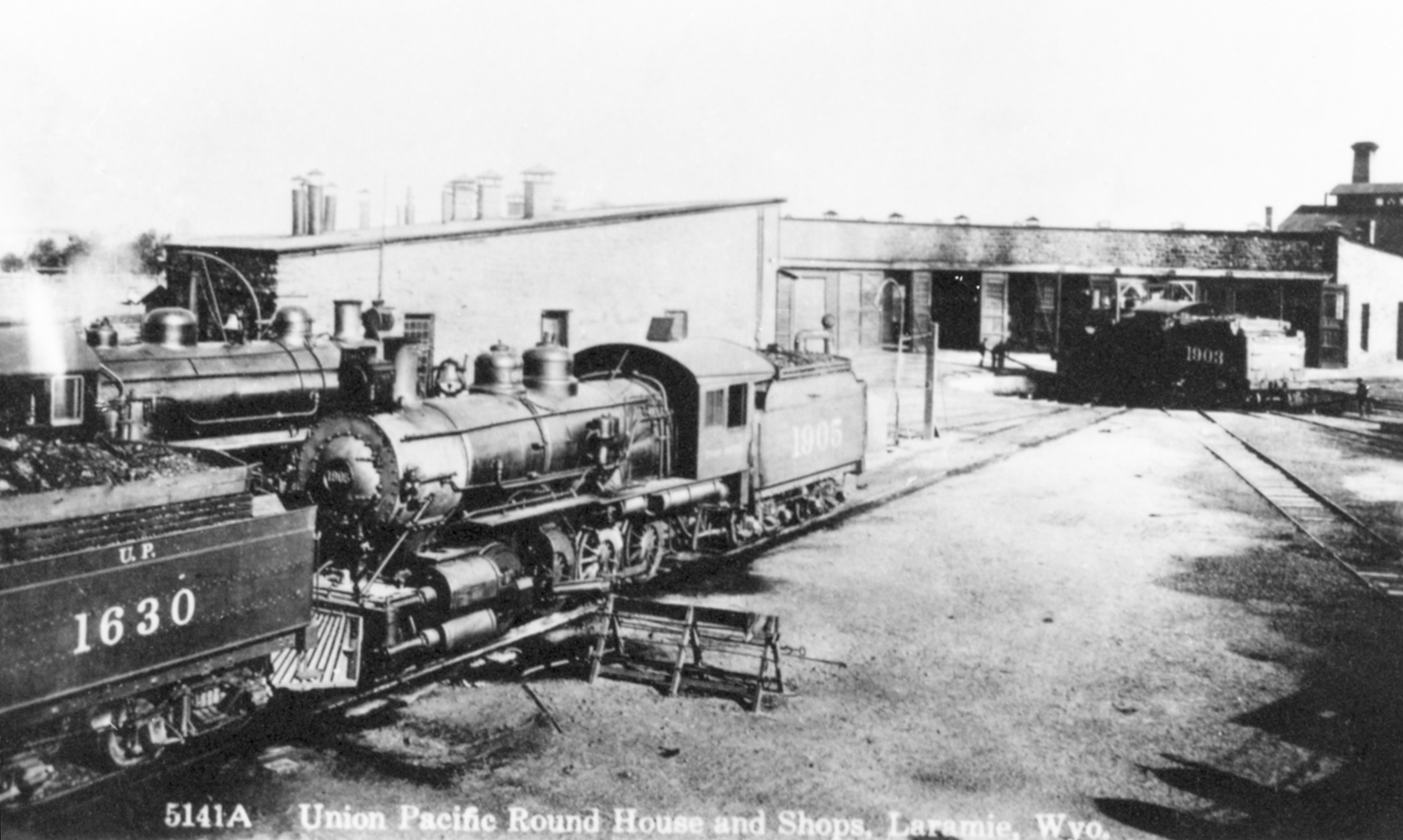
Many towns on the plains were built as the railroad progressed, but few grew to be as large and important as Laramie. It makes sense, then, that the center of the city would be the Union Pacific Railroad depot.

The original depot, located in the northern area of town on 3rd Street  eventually expanded to include a hotel. When a fire swept through it, a new depot was built on Second Avenue near Garfield. With the advent of the automobile, passenger train travel diminished. Today, the depot is open to the public as a museum dedicated to those early railroad days.

Learn more about the fires that have affected Laramie and Wyoming. 
Resources

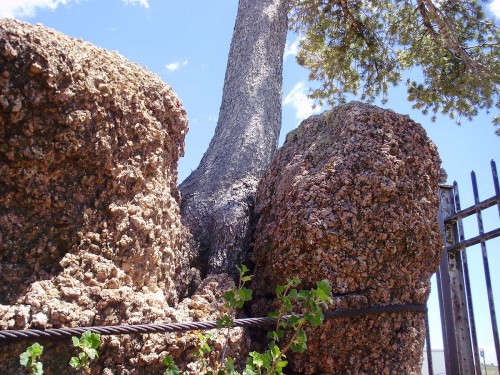
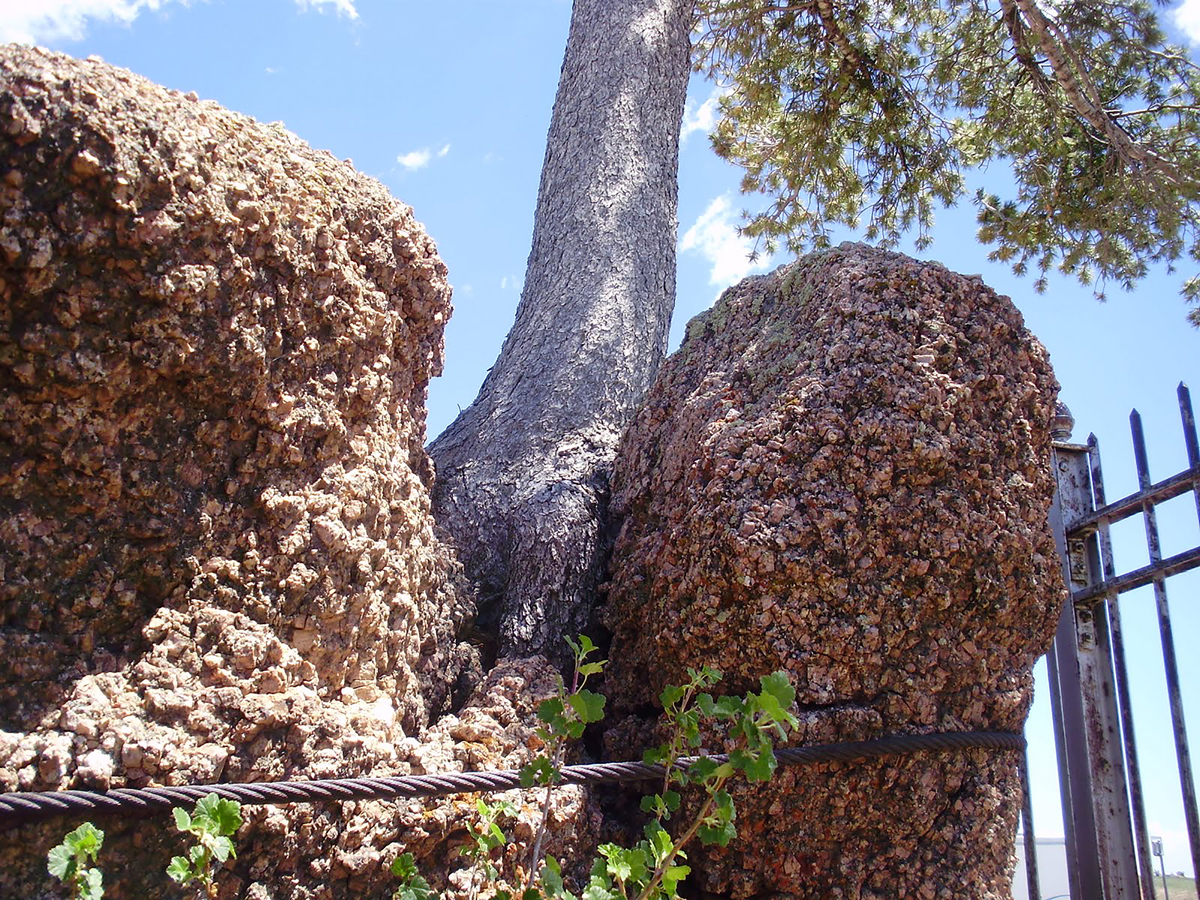
The Tree in the Rock

797-tree-in-rock-3-dura
Buford, Wyoming

When the workers who laid the Union Pacific Railroad track saw this little pine tree that seemed to be growing out of a granite boulder, they jogged the path of the railroad sideways to preserve it. They dubbed the unique feature “Tree in the Rock,” and the name stuck. On closer scrutiny, the tree appears to be growing from a dirt-filled depression between several big rocks rather directly from a boulder.

Today, it is simply called  “Tree Rock” and has become a national treasure and tourist spot along the Lincoln Highway (I-80 between Cheyenne and Laramie). We encourage you to stop and visit Tree Rock near the Summit Rest Area and Information Center between Cheyenne and Laramie.

Learn more about Tree Rock and the Summit Rest Area and Information Center.


Resources

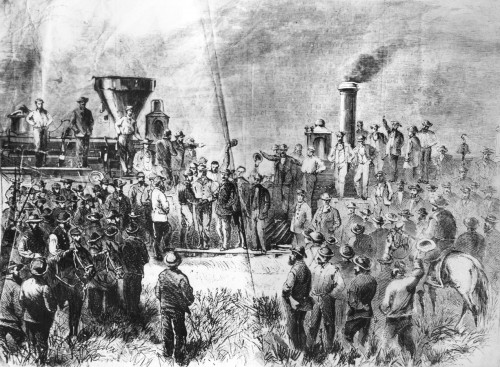
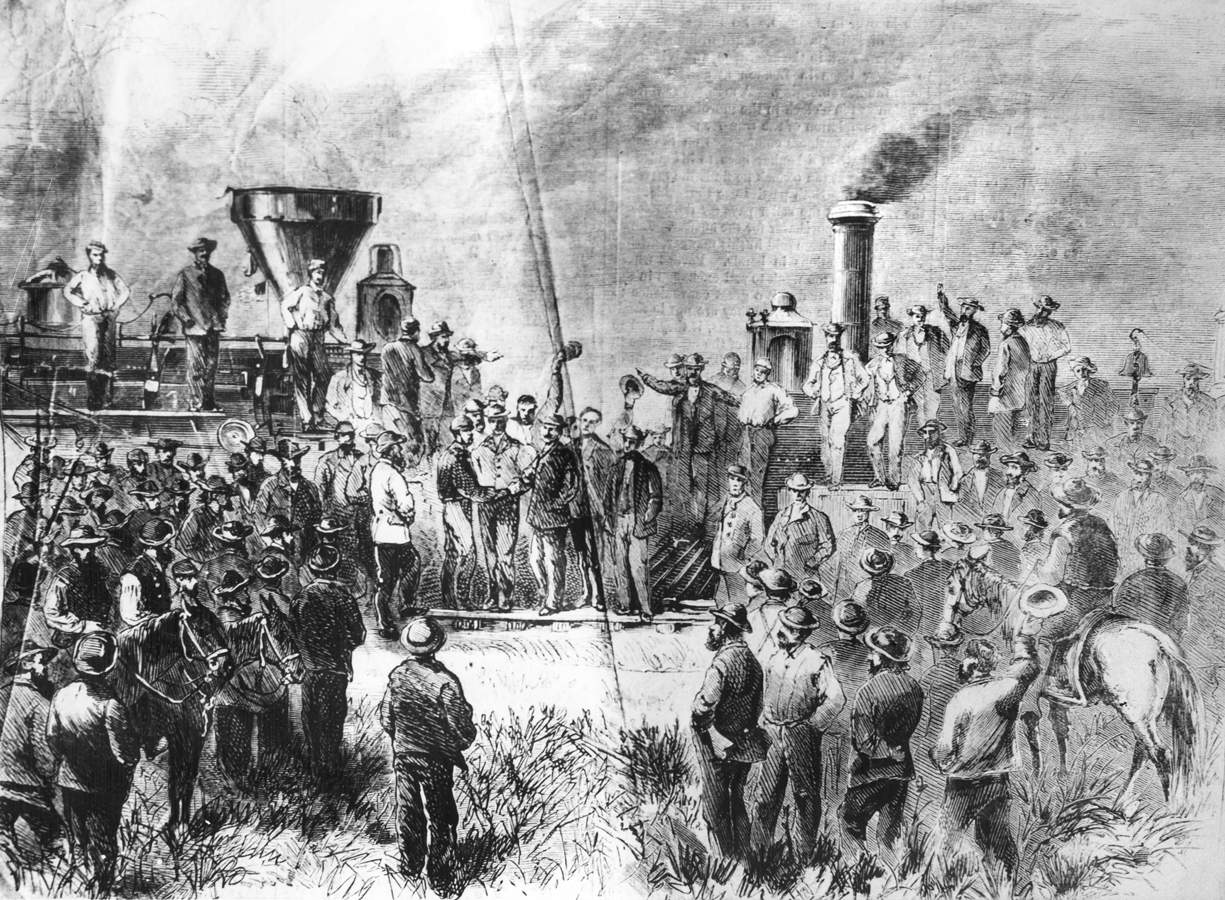
Promontory Point — The Meeting of the Two Major Railroads

795-Sketch-of-Harper's-Weekly-of-the-Completion-of-Union-Pacific-Railroad,-June-5,-1869-dura

Promontory Summit, northwest of Salt Lake City, Utah, is notable as the location where the First Transcontinental Railroad in the United States was officially completed on May 10, 1869. Numerous directors and dignitaries of the Union Pacific Railroad and the Central Pacific Railroad were in attendance. President Ulysses S. Grant himself hammered in the Golden Spike to join the two tracks.

Learn more about the celebration at Promontory Point.

Resources

Ames Monument

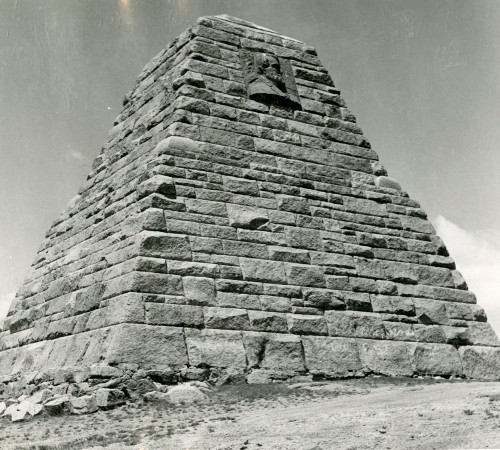
The Ames Monument is a large pyramid in Albany County, Wyoming, designed by Henry Hobson Richardson and dedicated to brothers Oakes Ames and Oliver Ames, Jr. The brothers were Union Pacific Railroad financiers. The monument was built at a cost of $65,000 and completed in 1892.

The brothers garnered credit for connecting the nation by rail upon completion of the United States’ First Transcontinental Railroad in 1869. Oakes, a U.S. representative to the United States Congress from Massachusetts, asserted near total control of its construction, whereas Oliver became president of the Union Pacific Railroad (1866 – 1871). In 1873 investigators implicated Oakes in fraud associated with financing of the railroad. Congress subsequently censured Oakes, who resigned in 1873. He died soon thereafter.

Today, the Ames Monument is overseen by Wyoming State Parks, Historic Sites and Trails

Learn more about the Ames Monument and the building of the Transcontinental Railroad in Wyoming.

Resources


Laramie Train Depot

770-U.P.-Depot,-Laramie-dura
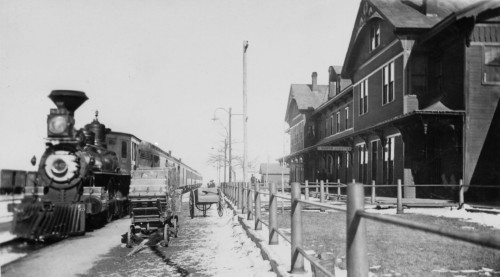
1885 Picture of the Laramie Depot

Many towns on the western plains were built along the route of the railroad as it was constructed, but few grew to be as large and important as Laramie. It makes sense, then, that the center of the city would be the train depot.

The original depot, located in the northern area of town on 3rd Street, eventually expanded to include a hotel. When a fire swept through it, a new depot was built on Second Avenue near Garfield.

With the advent of the automobile, passenger train travel on the train diminished. Today, the depot is open to the public as a museum dedicated to those early railroad days.

Learn more about the Laramie Train Depot and Museum.

Resources