All posts by CavalrymanSteakhouse

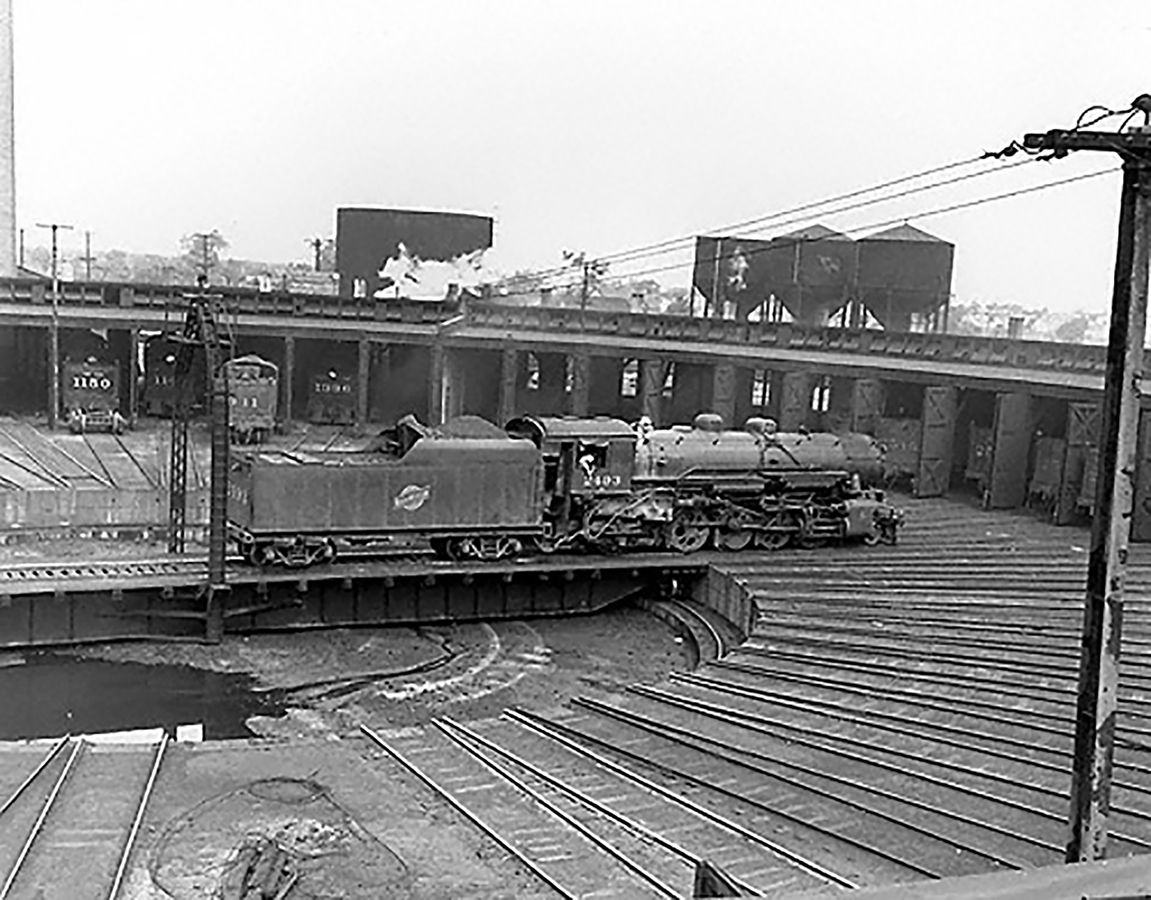
Laramie Turntable

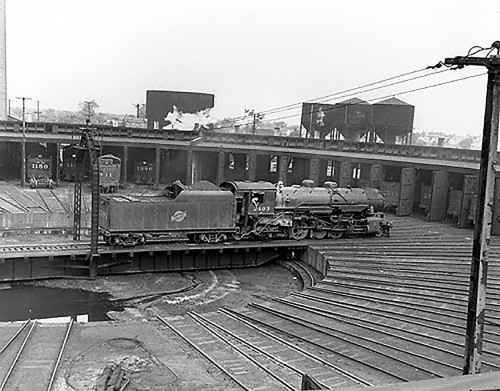
763-img_turntable-cnw-loco2403-dura

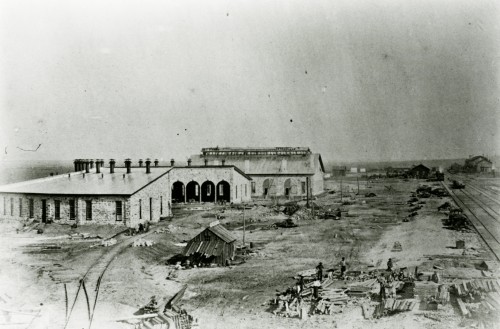
The Laramie turntable was a part of the Union Pacific Railroad (UPRR) shops built in Laramie for repairing, servicing and re-routing engines. There were 14 bays where engines could pull in for servicing. There was also a singular rotating turntable that was moved by manpower to turn the engines around.

Having UPPR repair shops in Laramie contributed greatly to the growth of the town.

Learn more about the Union Pacific Railroad in Laramie. 

Resources

Building the Railroad

758-railroad-building

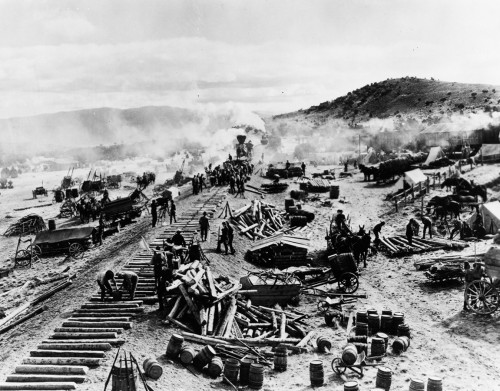
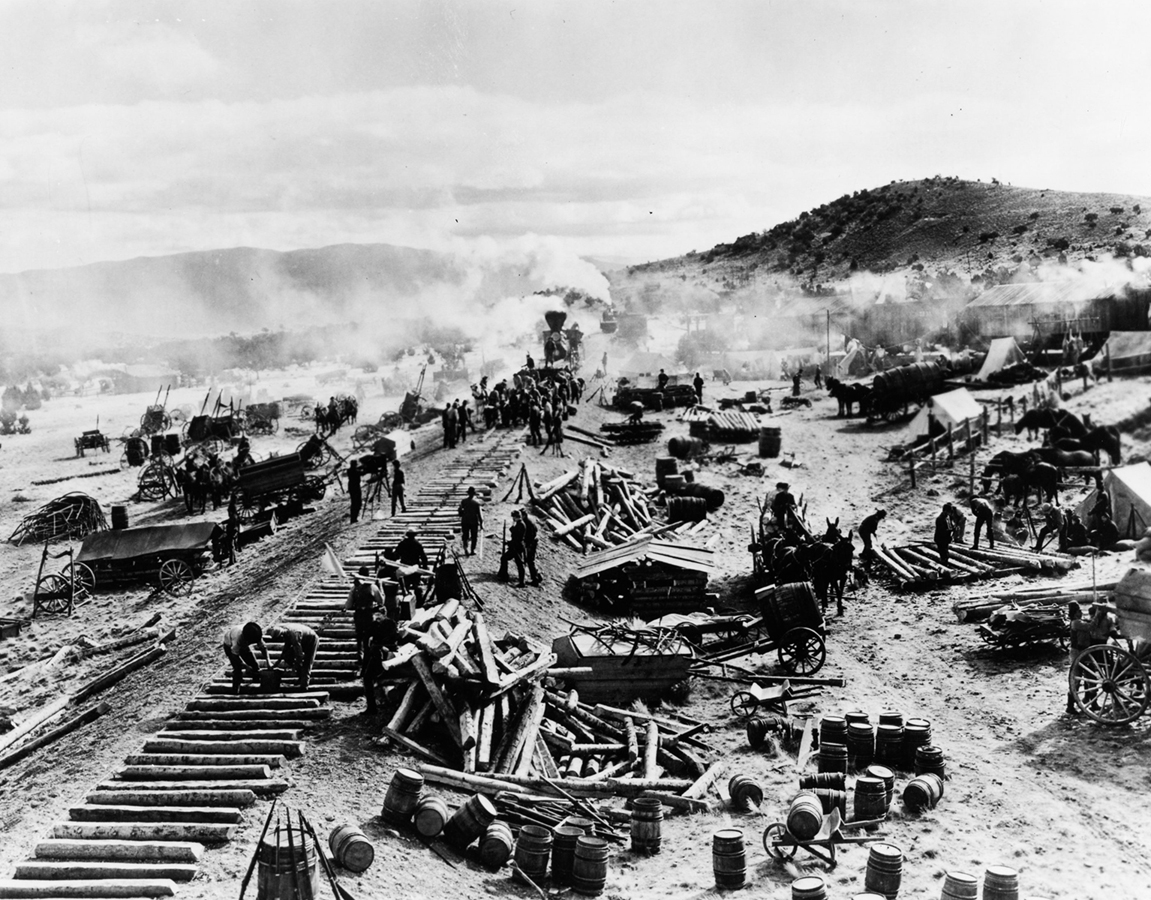
Men worked in groups to lay the railroad  tracks and other functions of the construction process.

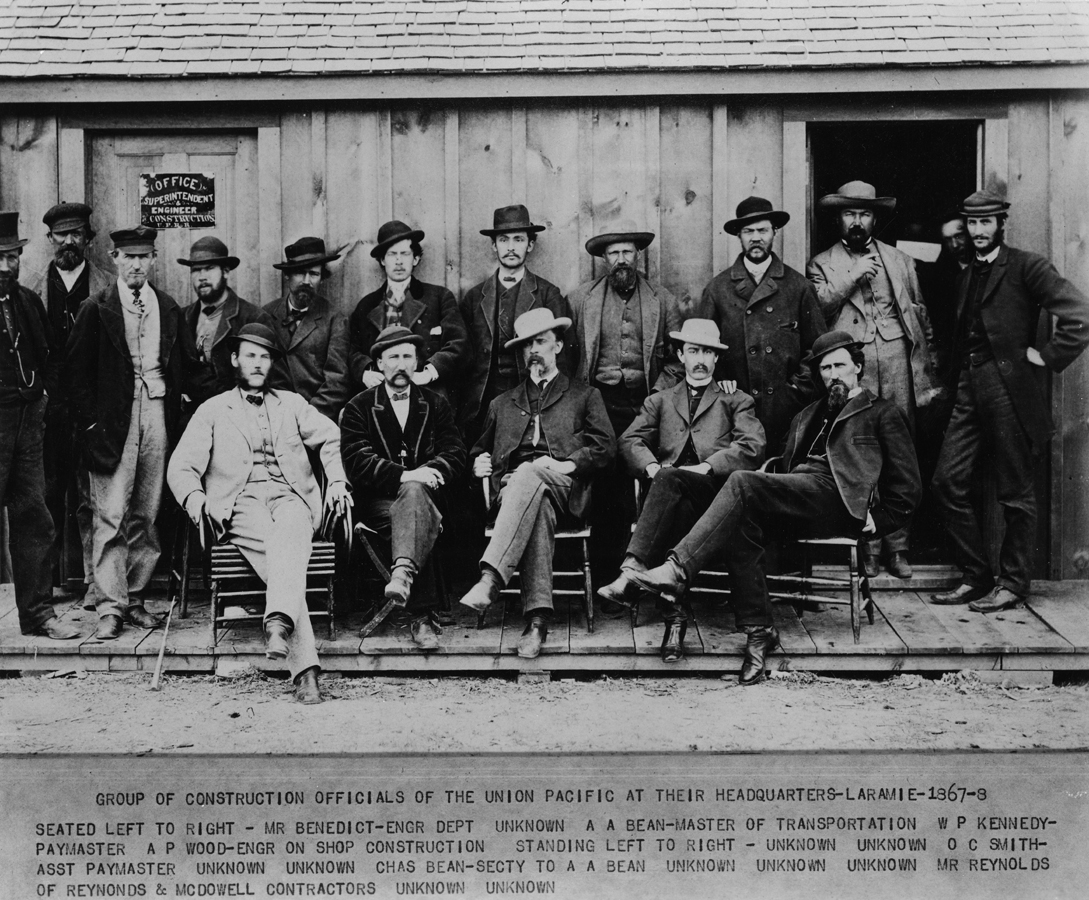
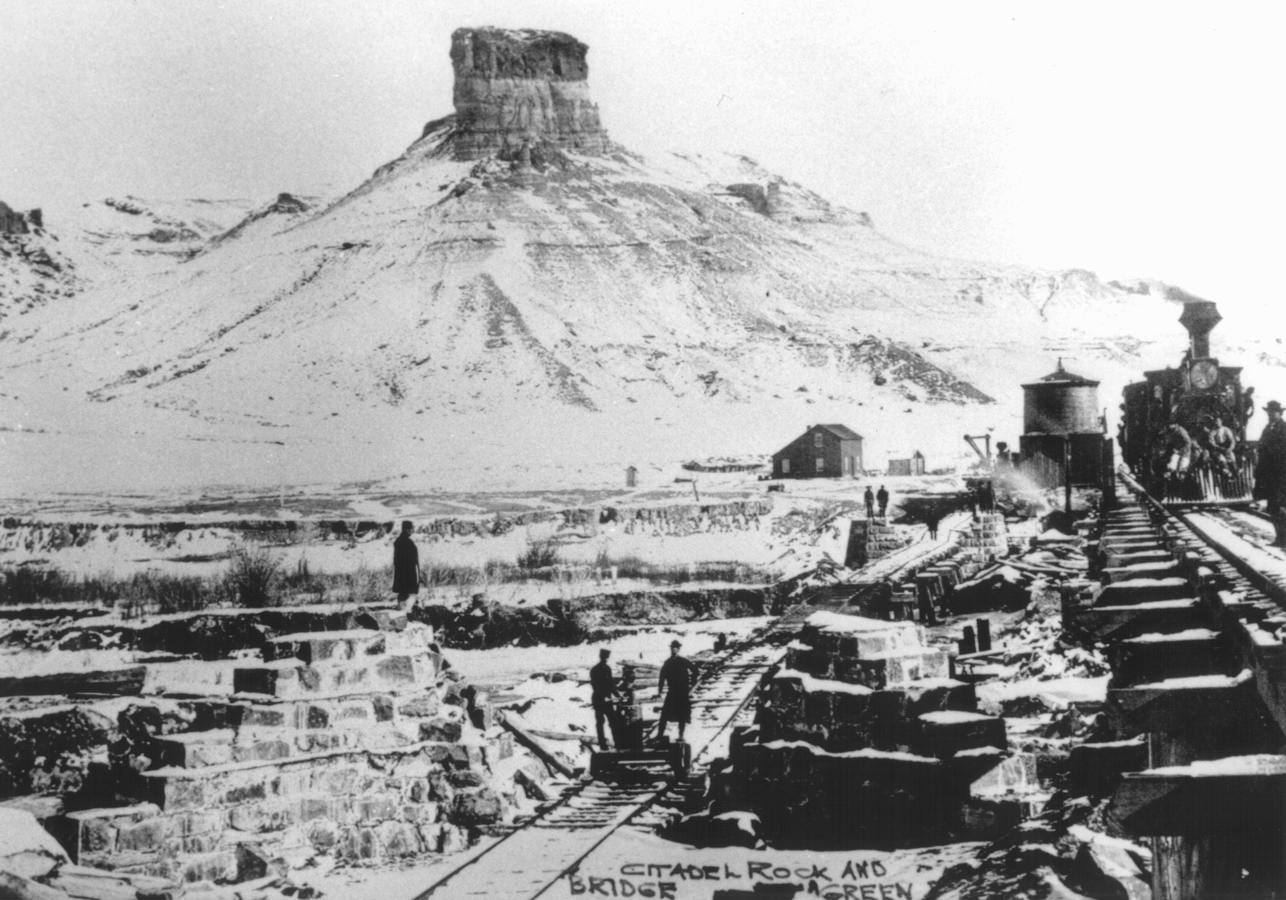
The construction of the Union Pacific Railroad struggled from a shortage of workers.  According to a PBS documentary, an engineer working on the construction of the railroad wrote to railroad executive Thomas Durant begging him to import workers to help saying, “It is impossible to do anything in the way of letting this work now without some provision for furnishing men.”  Durant in turn asked the War Department to ship a portion of those slaves freed by the ongoing Civil War, but the government declined. Union General Grenville Dodge offered use of Indian prisoners from his winter campaign. Still,  no practical solutions were forthcoming. By the end of 1865, only 40 miles of track had been laid across the inviting valley.

Learn more about a the building of the Transcontinental Railroad.

Resources
Laramie Railroad Shops

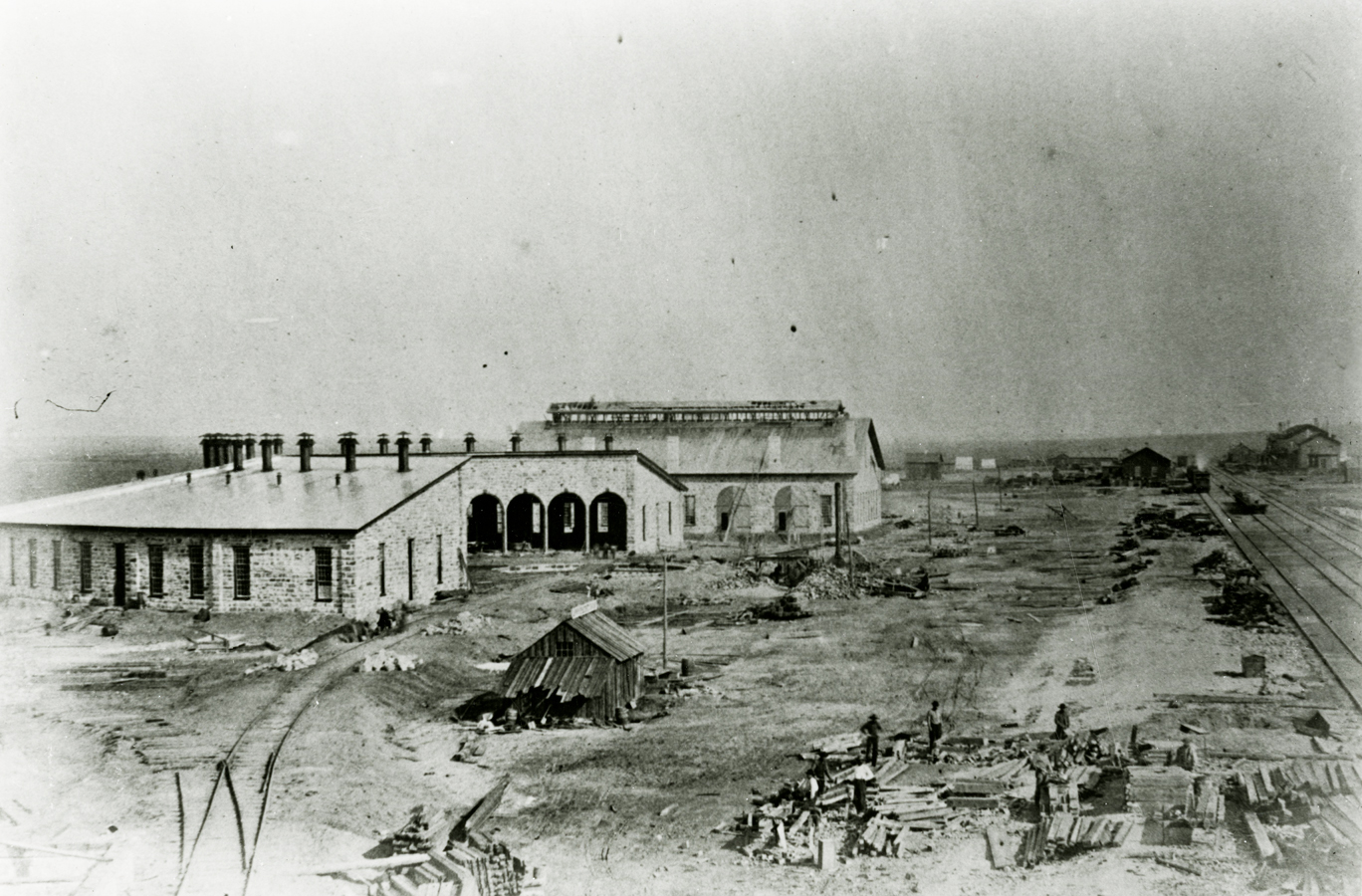
750-laramie-shops-duraMany repair shops and roundhouses were rapidly built in Laramie during 1868 to accommodate the expanding Union Pacific Railroad line.

A roundhouse is a building used by railroads for servicing locomotives. Roundhouses are large, circular or semicircular structures that were traditionally located surrounding or adjacent to turntables.

In rail terminology, a railway turntable or wheelhouse is a device for turning railroad rolling stock, usually locomotives, so that they can be moved back in the direction from which they came.

Learn more about the building of the Transcontinental Railroad.

Resources
Windmills and Water Towers

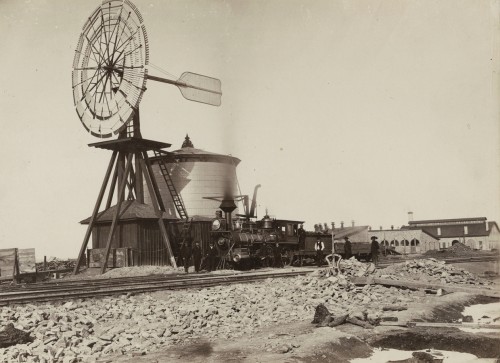
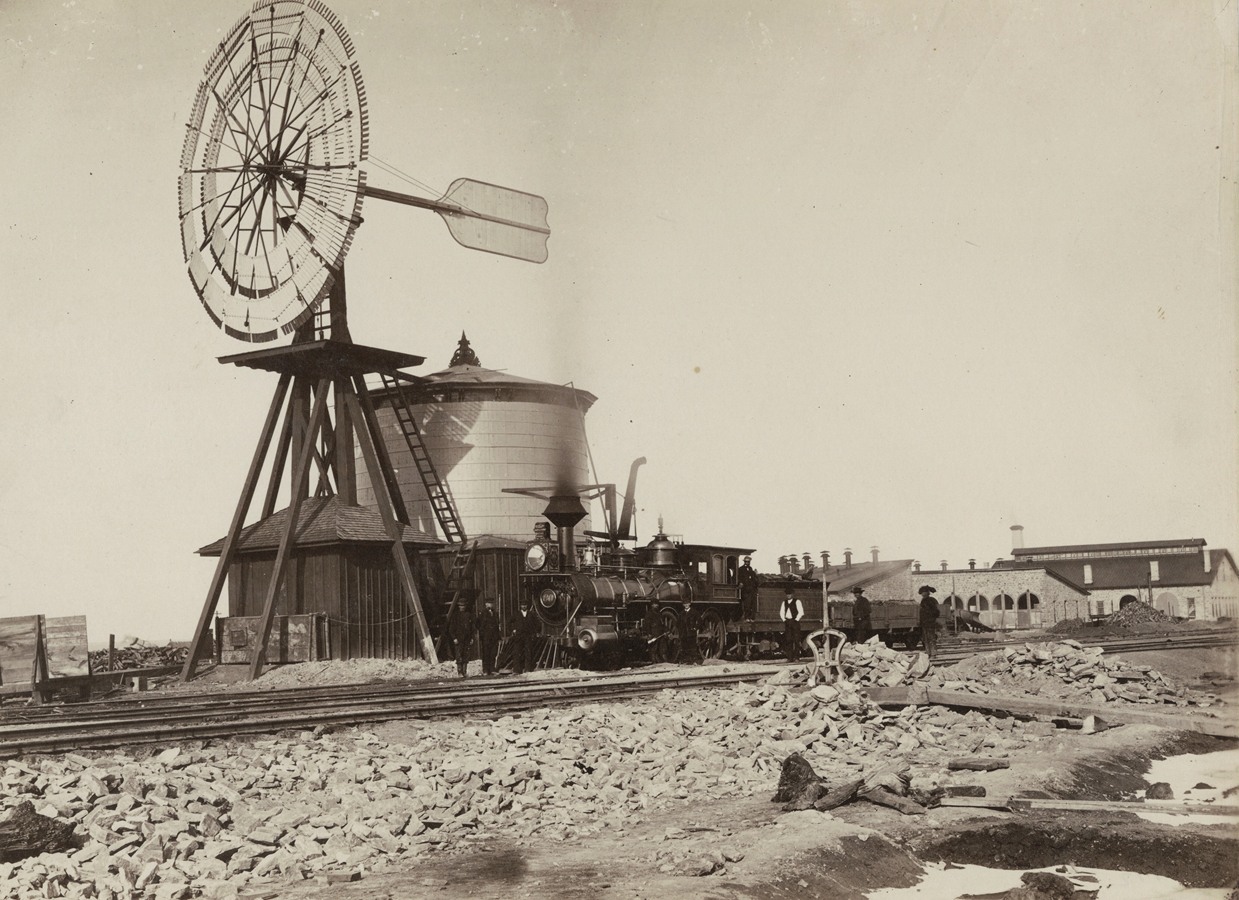
747-windmill-dura

As the railroad expanded, windmills and water towers began dotting the landscape. Windmills provided the power to pump water from surrounding streams. The water towers then stored this water for use by the locomotives. The Laramie Windmill became so famous that visitors would come to Laramie just to see it, ignoring the nearby train stations, roundhouses and shops.

Learn more about the windmills and water towers of Laramie. 

Resources

Railroad Ties Floating Down the River

735-Preparing-for-tie-drive-in-Medicine-Bow,-from-original-dura

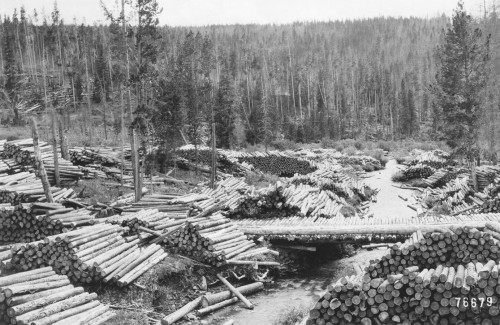
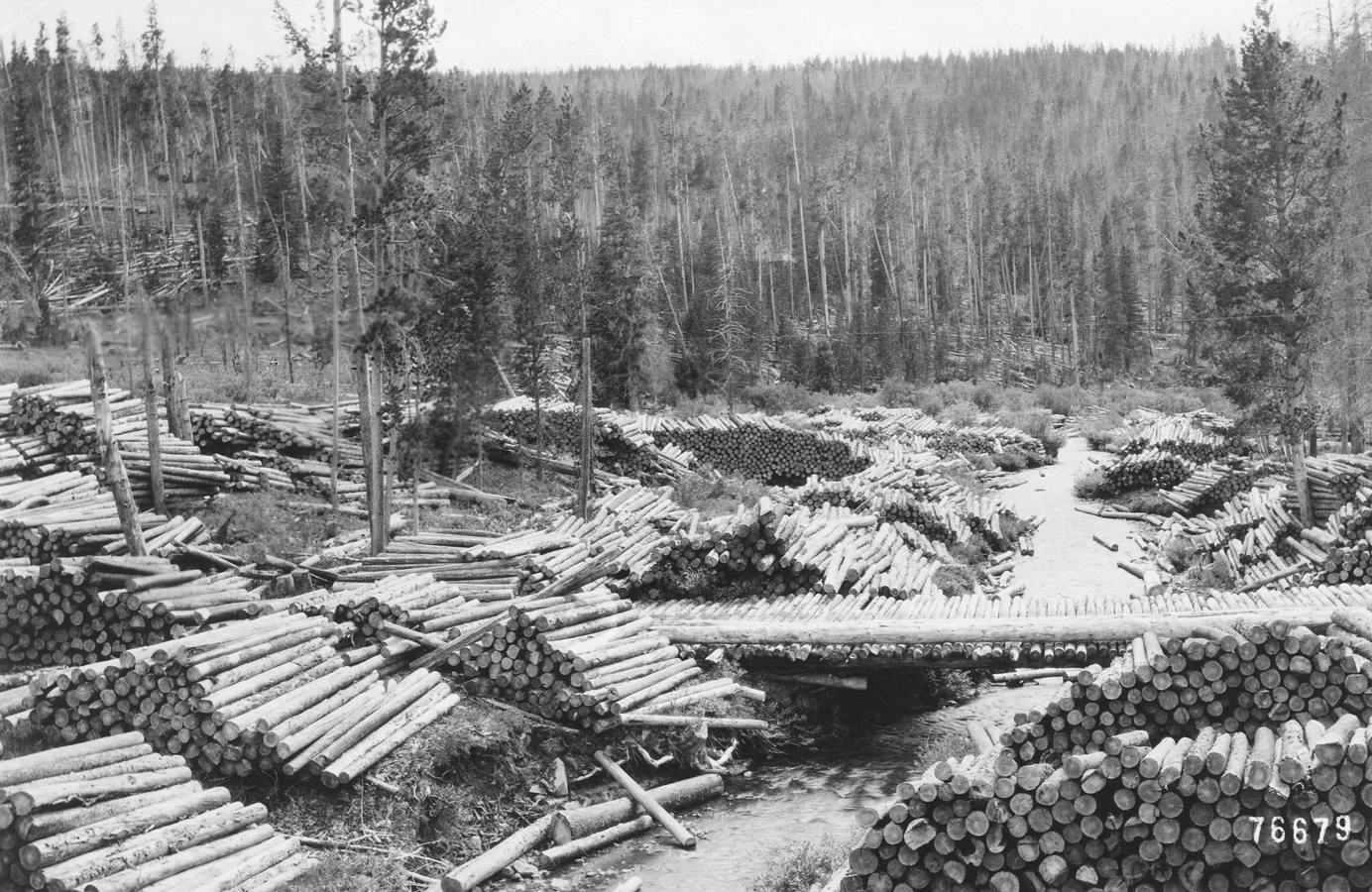
Building the railroad required a constant supply of timber to build railroad ties. The ties were cut from timber in the mountains surrounding Laramie, including the logs in this photograph, which were cut down in the Medicine Bow Mountains southwest of Laramie.

The ties were milled in the mountains, floated down the rivers to a Union Pacific Railroad location and finally transported to the end of the line to be used in the track.

Learn more about the building of the Transcontinental Railroad.

Resources
The Paymaster’s Tent

730-Paymaster's-Tent-(Descreen,-Color)-cropped-dura

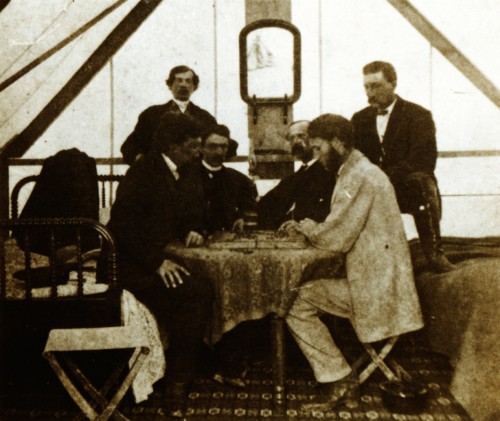
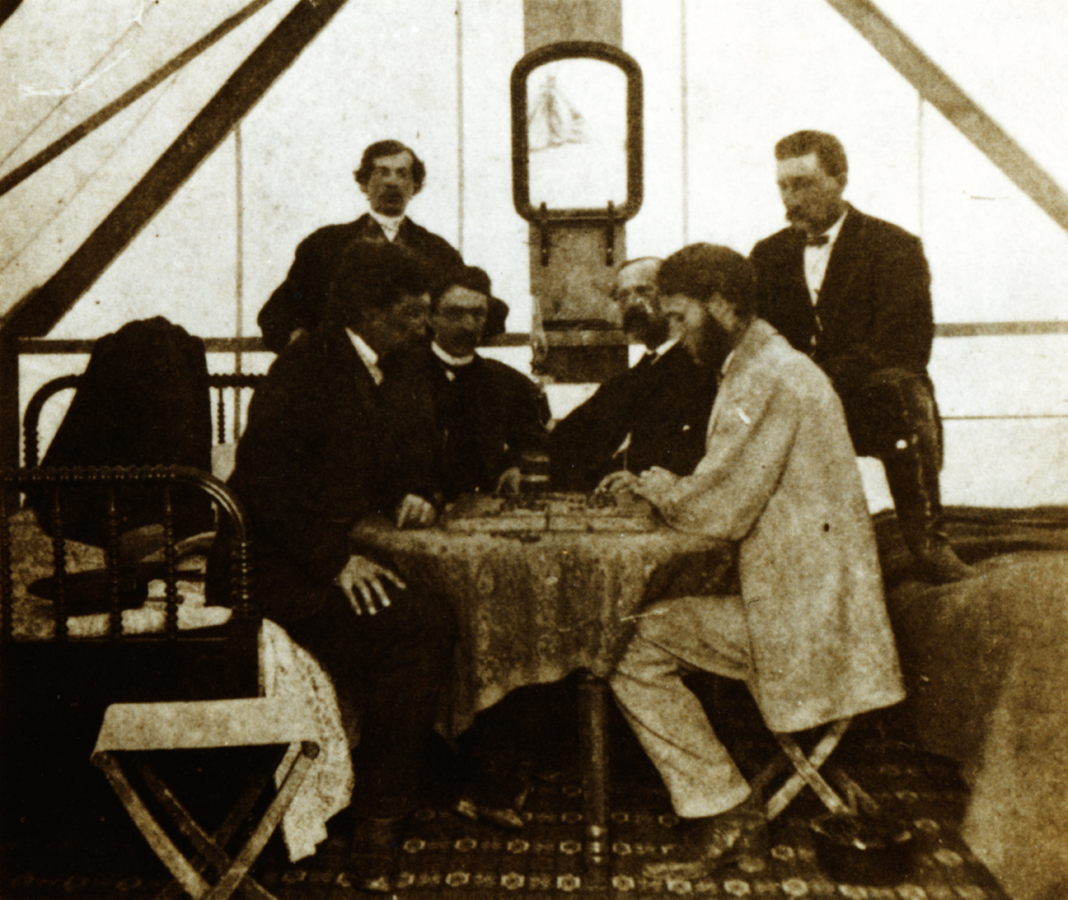
The railroad laborers visited the paymaster every week.  The paymaster was in charge of paying the men their wages and keeping track of which men were assigned which jobs.

Protection was necessary in order to guard the paymaster and ward off any potential thieves. On the other hand, crooked paymasters often took advantage of the immigrant workers who did not know the U. S. dollar system.

Learn more about the building of the Transcontinental Railroad. 

Resources
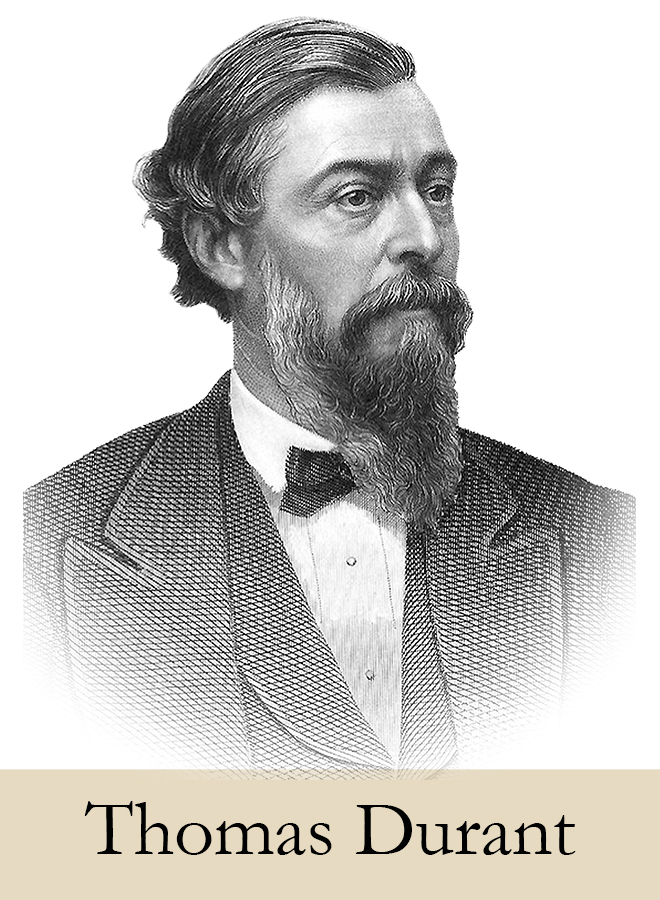
Thomas Clark Durant

709-Durant-Dura

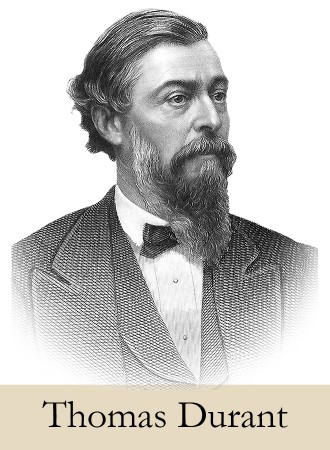
Thomas Clark “Doc” Durant was an American financier, as well as vice-president and general manager of the Union Pacific Railroad. In the 1860s, he negotiated a contract to oversee the construction of the Union Pacific’s juncture with the Central Pacific as part of America’s Transcontinental Railroad. In this role, Durant extended his interests to benefit from the railroad’s construction. He created the financial structure that led to the Credit Mobilier of America. This venture erupted into scandal after Durant persuaded several politicians and prominent merchants to invest as limited stockholders. All the while, Durant was manipulating the stock market to increase his own value in the company.

As for the actual construction of the railroad, the government paid for each mile of track laid. Durant overrode his engineers and ordered extra track to be laid in large U-shaped meanderings (oxbows). Due to these time-wasting tactics, the railroad had only progressed forty miles west of Omaha, Nebraska after two and a half years of construction. Despite this, Durant was able to avoid any federal oversight because the United States was preoccupied with the Civil War.

Meanwhile, “war” was raging within the ranks of the Union Pacific construction crew over Duran’t poor management. This led to a major disagreement between Durant and General Grenville Dodge, which resulted in “The Meeting” at Fort Sanders.

Learn more about Thomas Durant and the building of the First Transcontinental Railroad.

Resources