All posts by CavalrymanSteakhouse

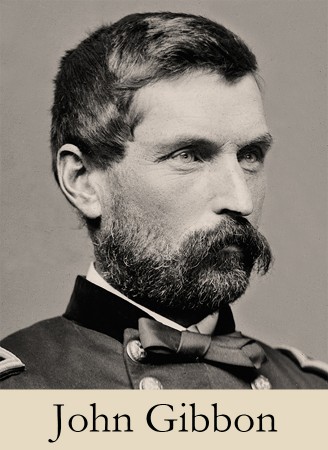
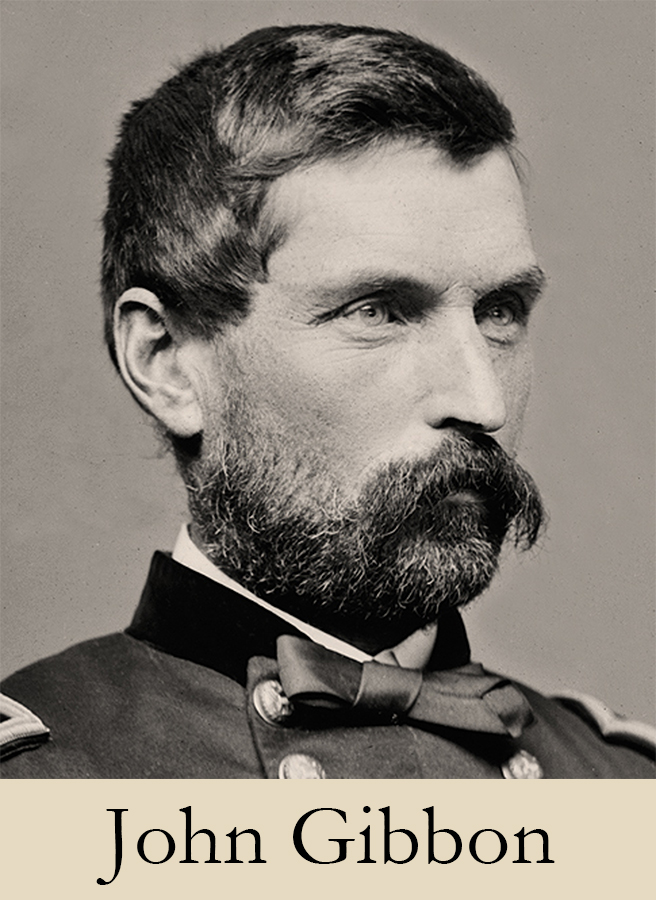
Gen. John Gibbon

649-Gibbon-Dura

John Gibbon was a career officer in the United State Army who fought in the Civil War and in skirmishes with the Native Americans.

An 1847 graduate of West Point, Gibbon served in the Union Army although his father was a slaveholder and he had many relatives serving in the Confederate Army. He was one of three commissioners for the Confederate surrender. Gibbon was part of a group gathered for a meeting regarding the Union Pacific Railroad at Fort Sanders in July of 1868. Other attendees included Generals P. H. Sheridan, U.S. Grant, William T. Sherman, W. S. Harney and Joseph H. Potter, Commander of Fort Sanders.
Learn more about John Gibbon.

Resources

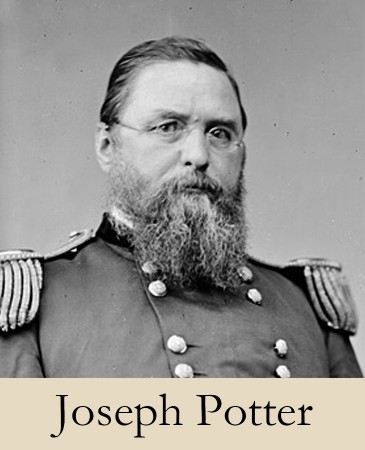
Gen. Joseph Hayden Potter

647-Potter-Dura

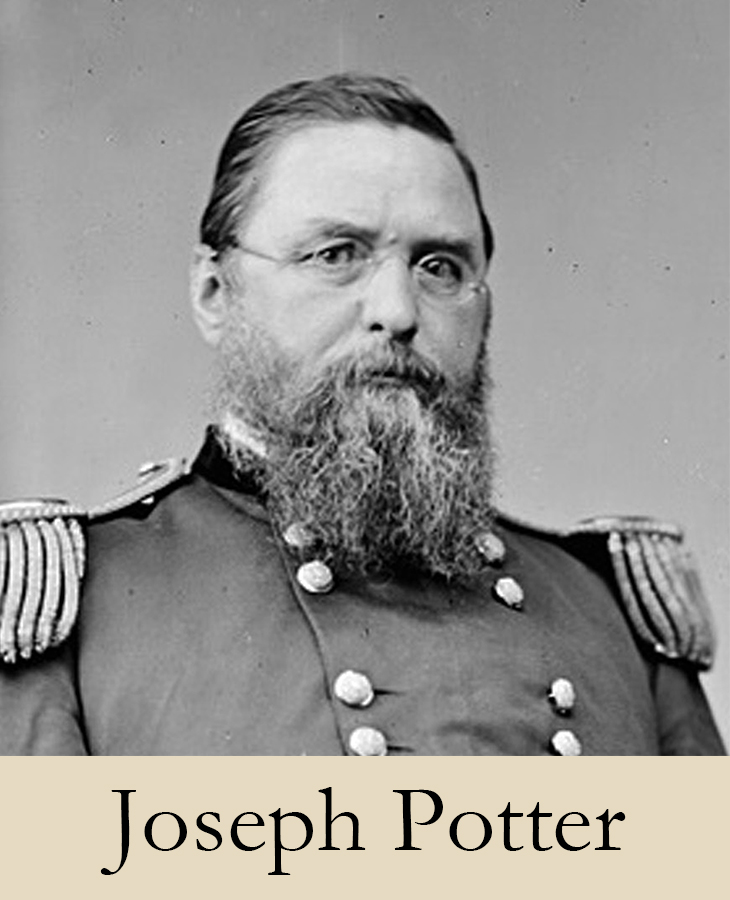
Brigadier General Joseph Hayden Potter was a classmate of Ulysses S. Grant at the military academy at West Point.  In time, he would hold several posts in the West, including  Commander of Fort Sanders.

Potter was part of a group gathered for a meeting regarding the Union Pacific Railroad at Fort Sanders in July of 1868. Other attendees included Generals P. H. Sheridan, U.S. Grant, William T. Sherman, W. S. Harney and John Gibbon.

Learn more about Brig. Gen. Joseph Potter.

Resources

Gen. William Selby Harney

645-Harney-Dura

William Selby Harney was a well-known cavalry officer of the Indian Wars who worked for peace with the Native Americans by advocating a good neighbor policy. He strove throughout his career to improve the nation’s treatment of the native population.  The Crows gave him the name “Man-who-runs-like-the-deer” after he challenged them to foot races outside the walls of the fort.

After the Civil War, Harney was a key figure in the Southern Treaty Commission that negotiated treaties with all the Plains tribes in 1867-68, and urged Congress to honor past treaties. After his death, the Sioux (Lakota) changed his name to “Man-who-always-kept-his-word.”

Harney was part of a group gathered for a meeting regarding the Union Pacific Railroad at Fort Sanders in July of 1868. Other attendees included Generals P. H. Sheridan, John Gibbon, U.S. Grant, William T. Sherman and Joseph H. Potter, Commander of Fort Sanders.
Learn more about Gen. William Harney.

Resources

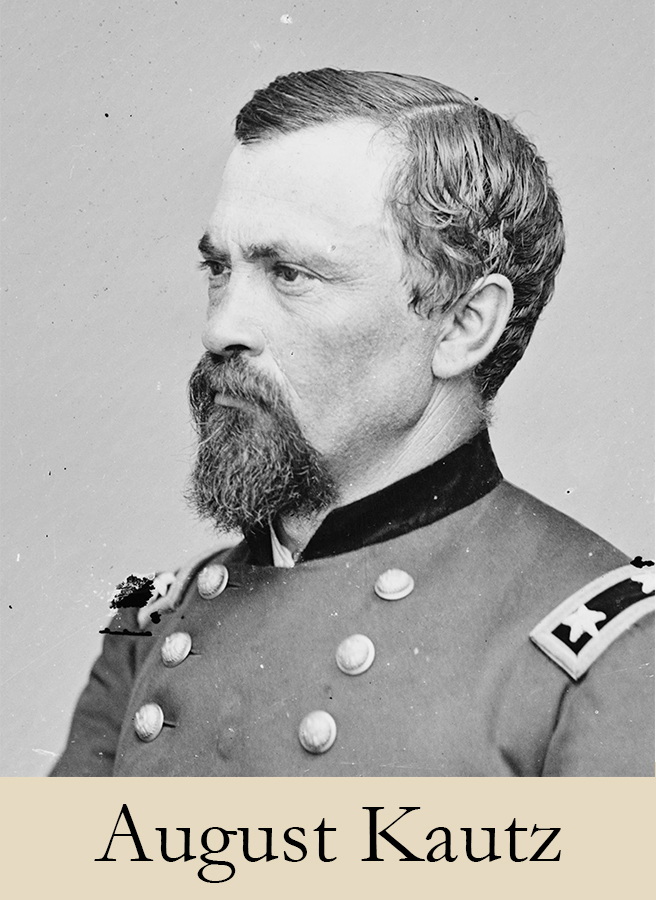
Gen. August Kautz

642-Kautz-Dura

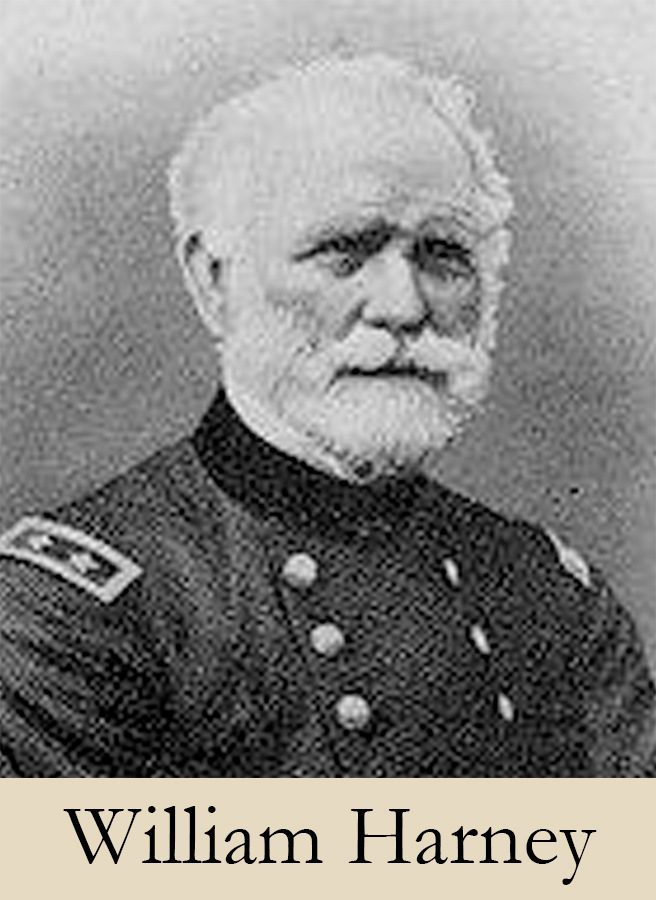
August Kautz emigrated to the United States and saw action in the Mexican-American War. Afterward, he studied at West Point, served on the frontier and was wounded twice in the Civil War.

President Johnson appointed Kautz to the nine-man military commission to try conspirators of President Lincoln’s Assassination. The commission found eight conspirators guilty, and on July 7, 1865, Mary Surratt, Lewis Powell, David Herold, and George Atzerodt were hanged at the Washington Penitentiary. Surratt was the first female in American history to be executed.

Kautz was part of a group gathered for a meeting regarding the Union Pacific Railroad at Fort Sanders in July of 1868. Other attendees included Generals P. H. Sheridan, John Gibbon, U.S. Grant, William T. Sherman and Joseph H. Potter, Commander of Fort Sanders.
Learn more about General August Kautz.

Resources

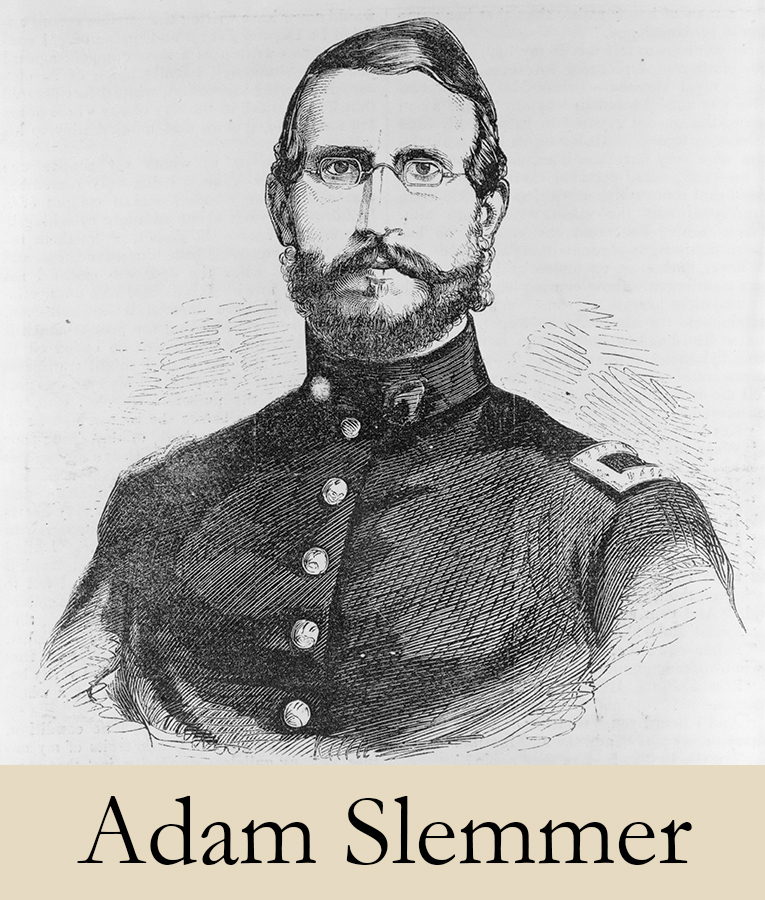
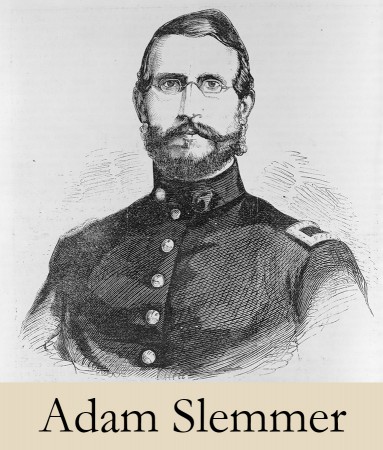
Gen. Adam Jacoby Slemmer

640-Slemmer-Dura

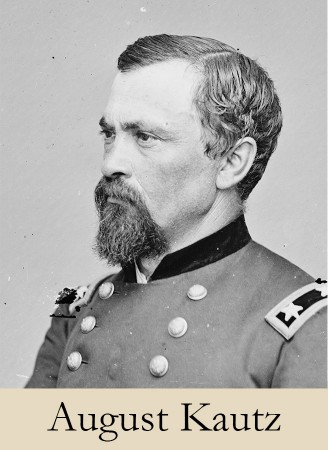
In 1868, Brigadier General Adam Slemmer was part of a group gathered for a meeting of officials representing the Union Pacific Railroad and officers from Fort Sanders. Attendees included Generals P. H. Sheridan, John Gibbon, U.S. Grant, William T. Sherman and Joseph H. Potter, Commander of Fort Sanders. Not long after this, while in command of Fort Laramie, Slemmer died from the lingering effects of typhoid fever.
Learn more about Gen. Adam Slemmer. 

Resources

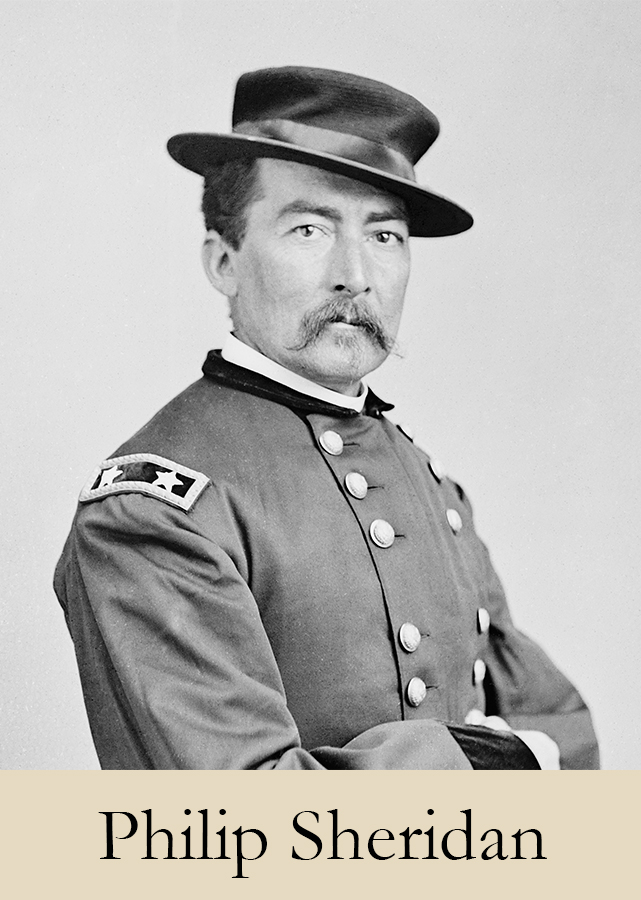
Gen. Philip Henry Sheridan

626-Sheridan-Dura

General Philip Sheridan was a graduate of West Point who served in the Civil War. Under General Grant’s command, he was instrumental in blocking Confederate General Lee at Appomattox.

In 1868, during the building of the Transcontinental Railroad through Wyoming, General Sheridan was part of a group gathered for a meeting of officials representing the Union Pacific Railroad and officers from Fort Sanders. Attendees included Generals P. H. Sheridan, John Gibbon, U.S. Grant, William T. Sherman and Joseph H. Potter, Commander of Fort Sanders.
Learn more about General Philip Sheridan. 

Resources

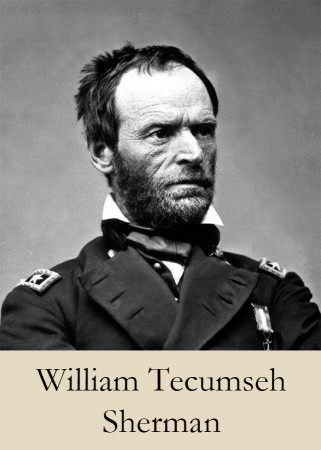
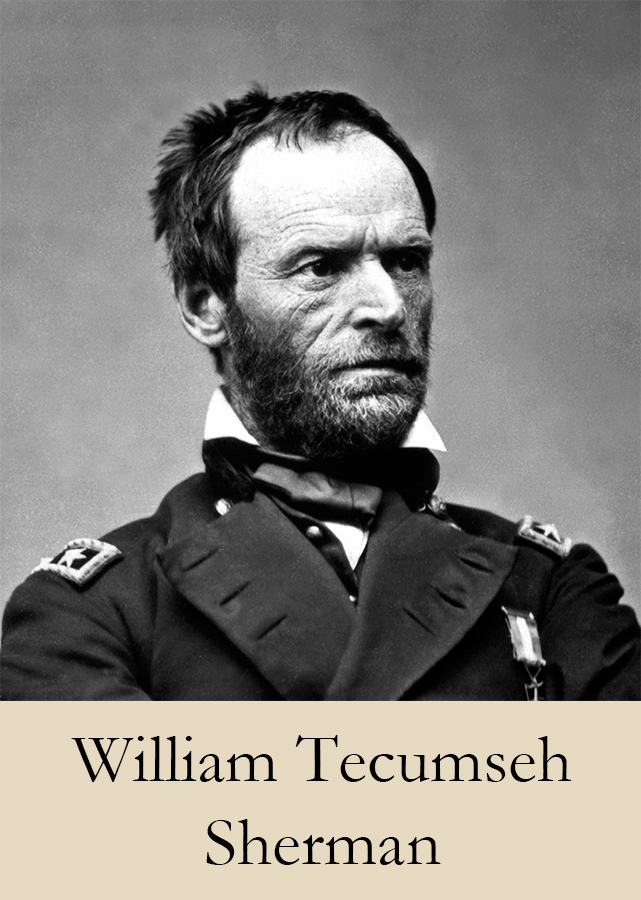
Gen. William Tecumseh Sherman

625-Sherman-Dura

General William Tecumseh Sherman was a graduate of West Point who served in the Union Army during the Civil War. He was also a businessman, educator, banker and author.

Two months after Confederate General Lee’s surrender, Sherman was given a command that comprised the territory from the Mississippi River to the Rocky Mountains.

In 1868, General Sherman was part of a group gathered for a meeting of officials representing the Union Pacific Railroad and officers from Fort Sanders. Attendees included Generals P. H. Sheridan, John Gibbon, U.S. Grant, Adam Slemmer and Joseph H. Potter, Commander of Fort Sanders.
Learn more about General William Tecumseh Sherman.

Resources

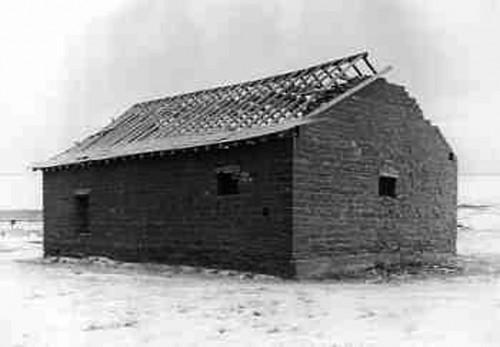
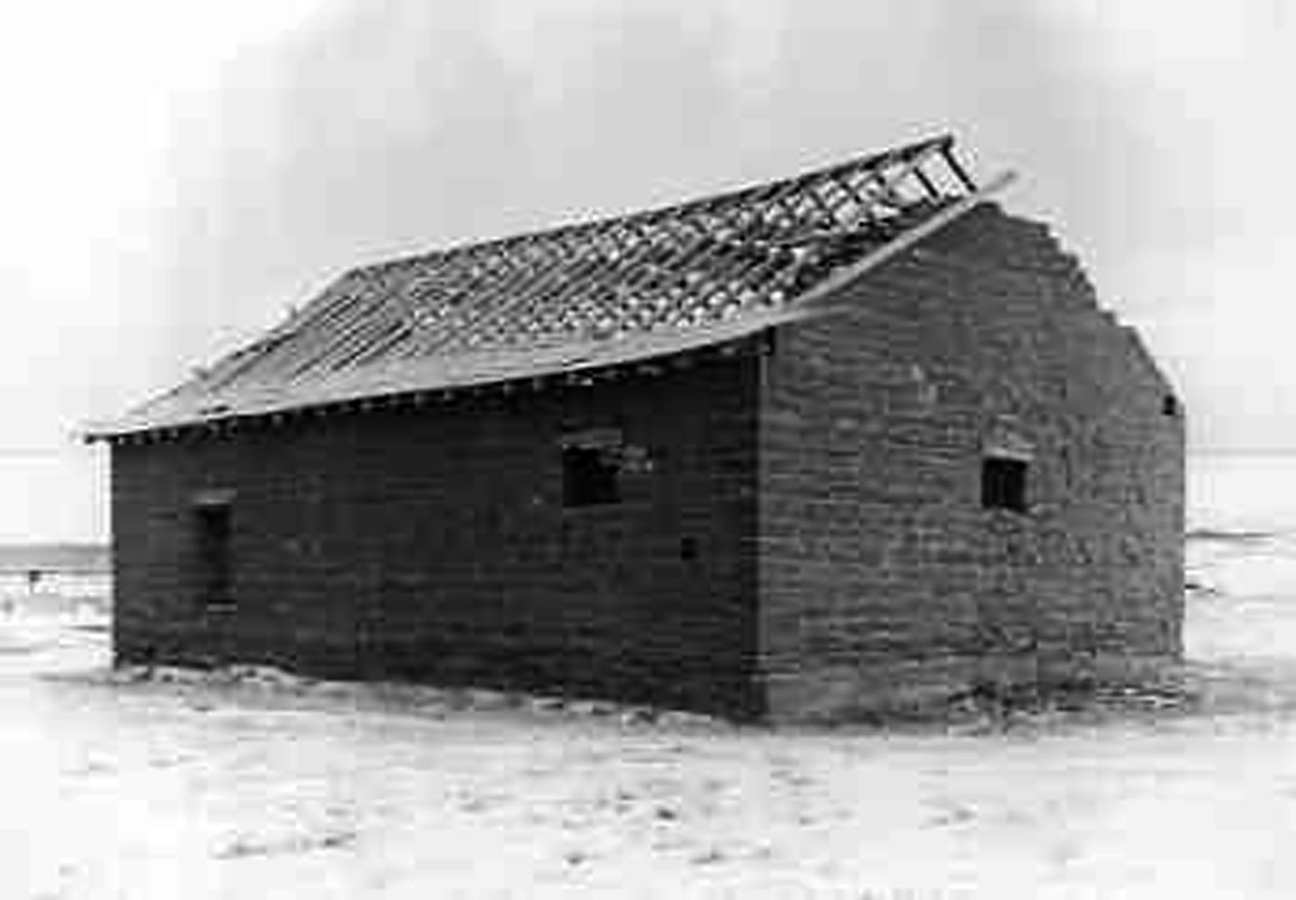
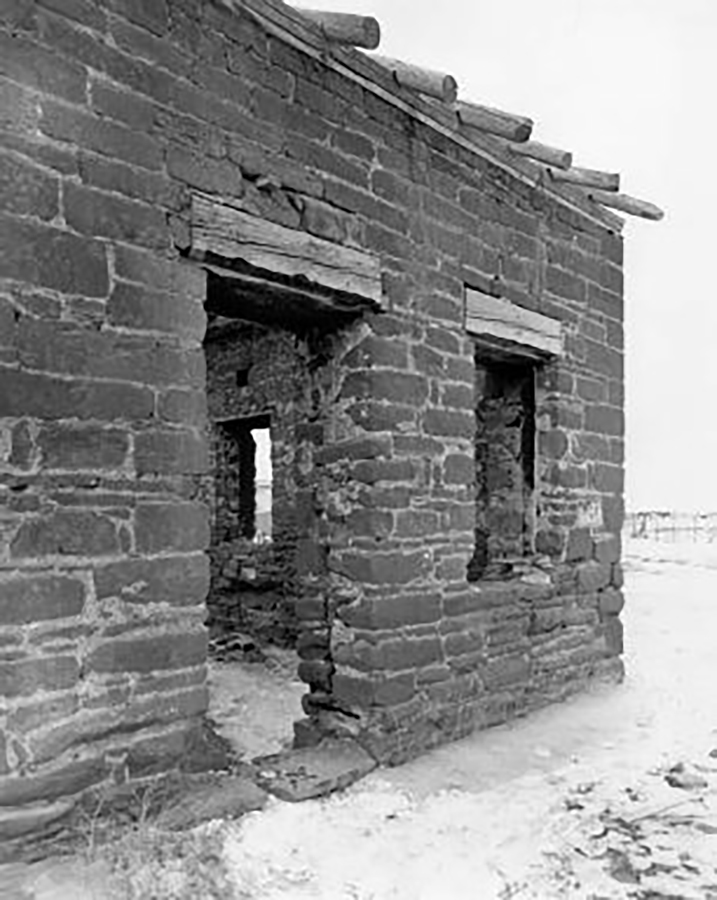
The Guard House

The guardhouse is the single substantially intact building remaining on the site of the Fort Sanders military reservation. The establishment of Laramie City in the spring of 1868, situated about three miles north of the Fort Sanders post, prompted the construction of the guardhouse. As Laramie’s economy boomed, desertion rates at Fort Sanders soared. Drunkenness and boisterousness ran rampant among the troops stationed at Fort Sanders and the guardhouse was usually full.

Learn more about the Fort Sanders Guard House. 

Resources

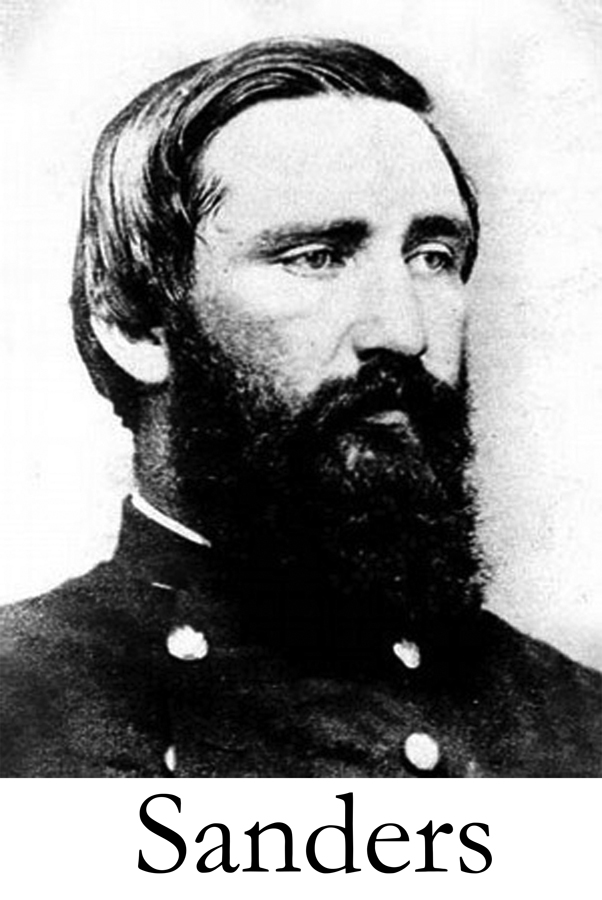
General William P. Sanders

608-Sanders-dura-2

William Price Sanders was an officer in the Union Army in the American Civil War who died at the Siege of Knoxville. The Battle of Fort Sanders, part of the Knoxville Campaign fought in Tennessee, occurred approximately 10 days after his death.

There are two forts named in his honor, including Fort Sanders where the Cavalryman Steakhouse in Laramie, Wyoming is located. The other is located in Tennessee.

Learn more about general William P. Sanders.

Learn more about the history of Fort Sanders, Laramie, Wyoming.

Resources