All posts by CavalrymanSteakhouse

Jim Bridger

545-Jim_Bridger-dura

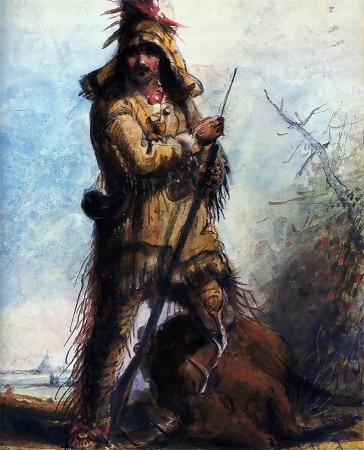
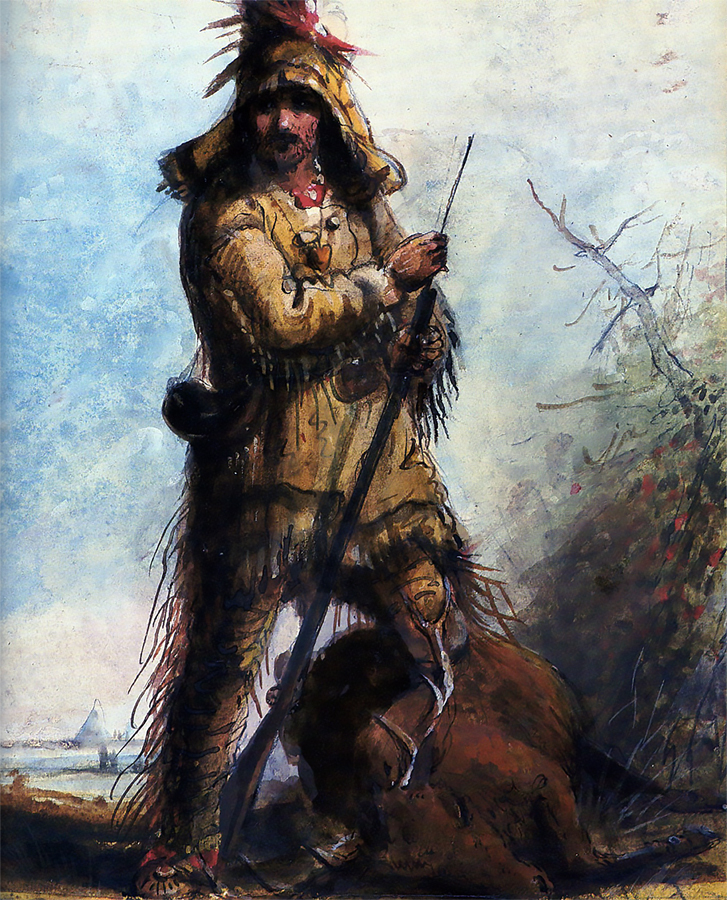
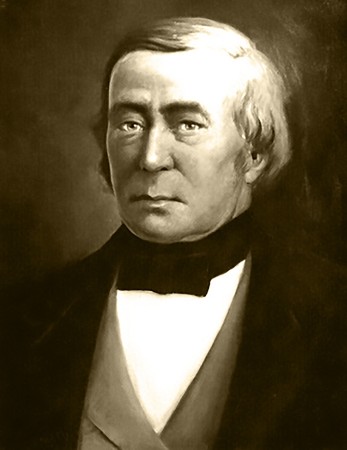
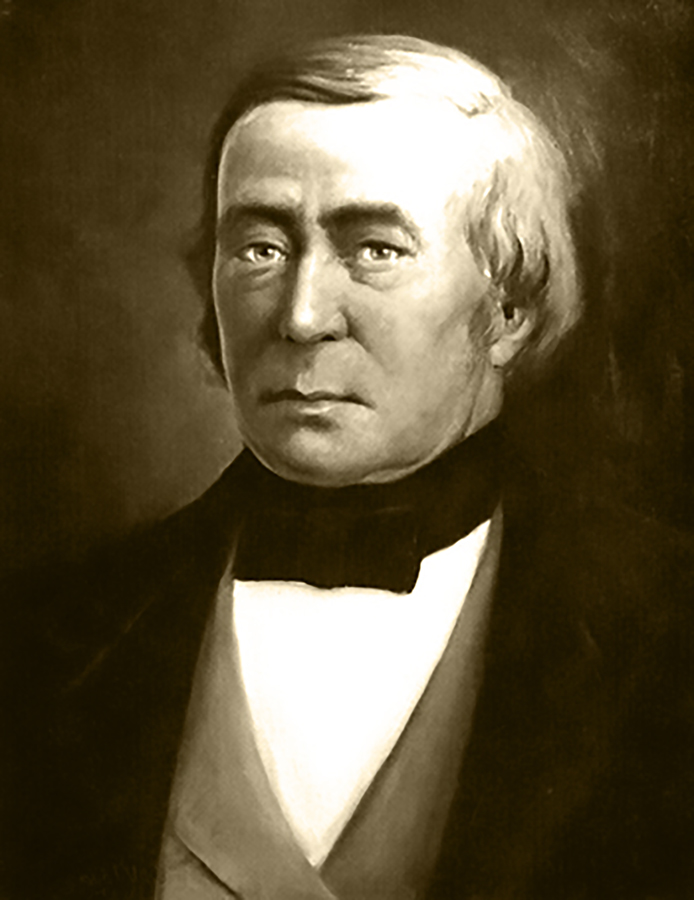
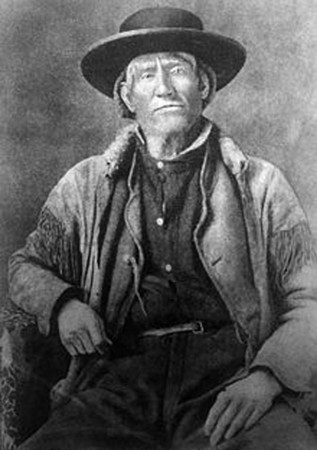
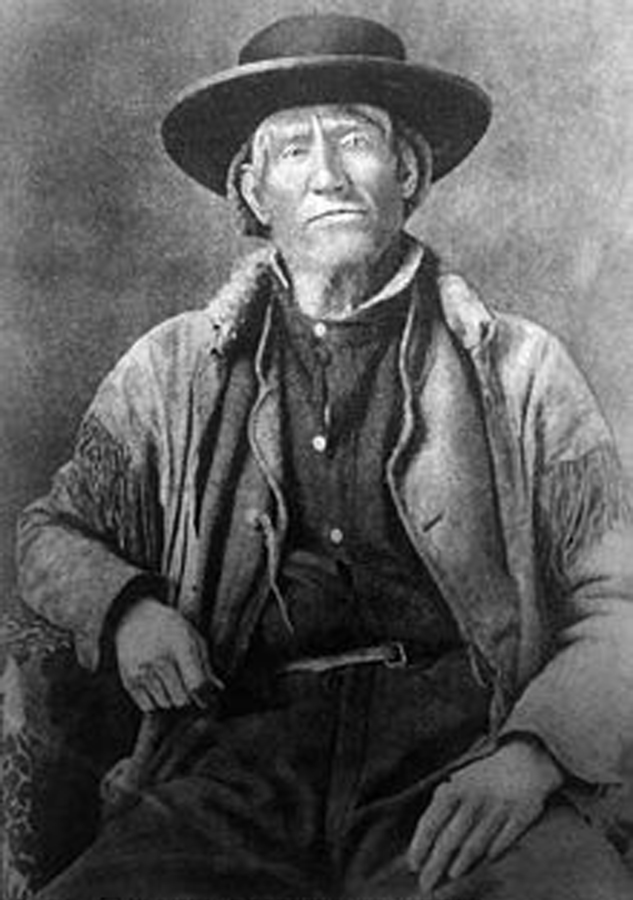
Jim Bridger (James Felix Bridger) was among the foremost mountain men, trappers, scouts and guides who explored and trapped in the Western United States during the decades of 1820-1850. He also helped mediate between native tribes and encroaching white settlers.

What is now known as Fort Bridger State Historic Site in Fort Bridger, Wyoming was first established by Jim Bridger and Louis Vasquez in 1843 as an emigrant supply stop along the Oregon Trail. It was obtained by the Mormons in the early 1850s, and then became a military outpost in 1858. In 1933, the property was dedicated as a Wyoming Historical Landmark and Museum.
Learn more about the history of Jim Bridger.

Resources

William Ashley

540-william-ashley-dura

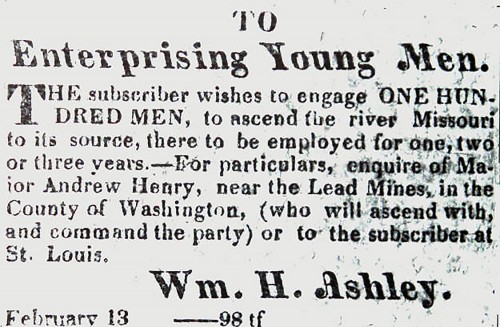
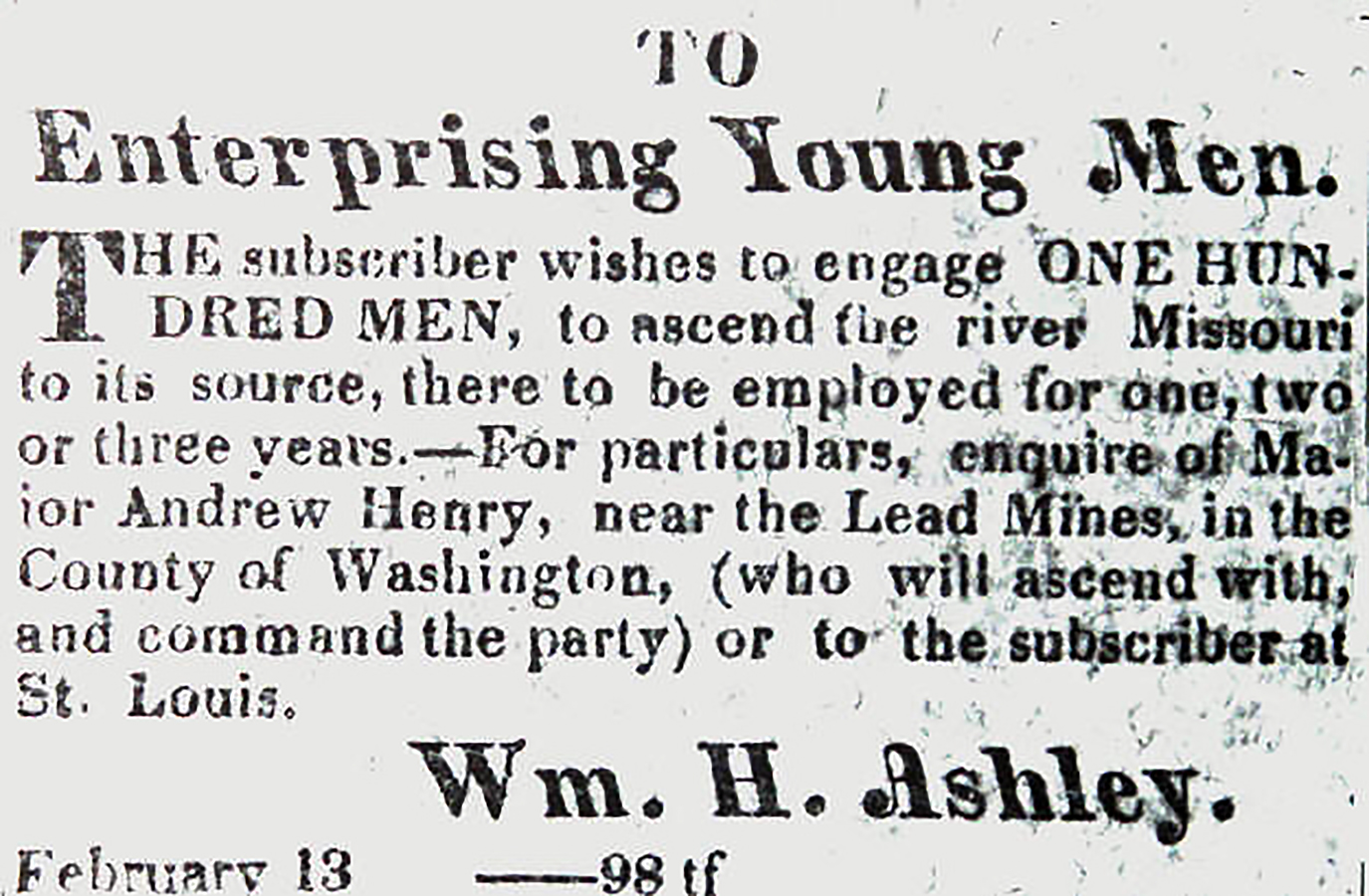
William Henry Ashley (1778-1838) was a United States congressman and fur trader who revolutionized the fur trade and hastened exploration of the American West when he introduced the rendezvous system as a substitute for traditional trading posts.

The Rocky Mountain Fur Company, originally known as Ashley’s Hundred, was organized in St. Louis, Missouri in 1822 by both Ashley and Andrew Henry. Among the company’s original employees were Kit Carson, Jim Bridger and Jedediah Smith.

Learn more about William Ashley and the Rocky Mountain Fur Company. 

Resources

Joseph Meek

539-Joseph-Meek-young-dura

Joseph Lafayette “Joe” Meek (1810 – 1875) was a trapper, law enforcement official and politician in Oregon Country (later Oregon Territory) of the United States. A pioneer involved in the fur trade before settling in the Tualatin Valley, Meek played a prominent role at the Champoeg Meetings of 1843 when he was elected as a sheriff. Later he served in the Provisional Legislature of Oregon before being selected as the United States Marshal for the Oregon Territory.

Learn more about Joseph Meek. 

Resources

Benjamin Bonneville

538-Benjamin-Bonneville-dura

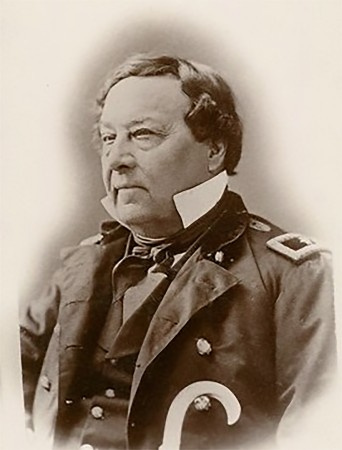
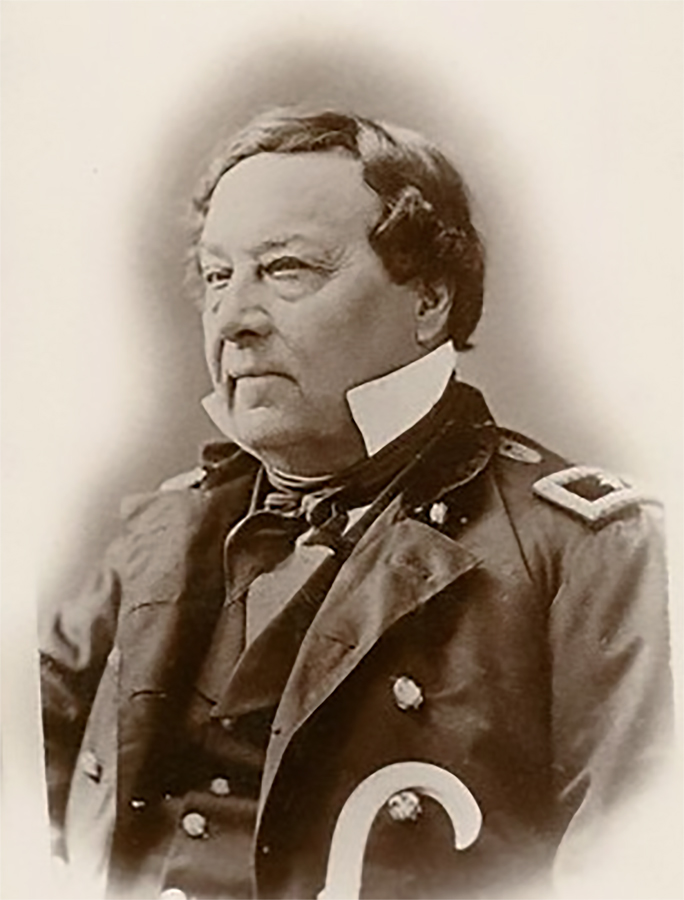
Benjamin Louis Eulalie de Bonneville (1796 – 1878) was a French-born officer in the United States Army, as well as a fur trapper and explorer in the American West. He is noted for his expedition to the Oregon Country and the Great Basin, and in particular for trailblazing portions of the Oregon Trail.

Bonneville became famous through an account of his Western explorations written by writer Washington Irving.

Learn more about Benjamin Bonneville and his connection to Wyoming. 

Resources

Robert Campbell

537-Robert-Campbell-dura

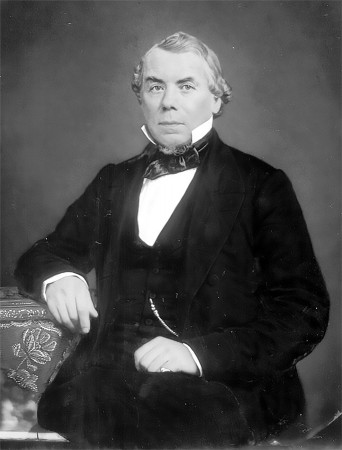
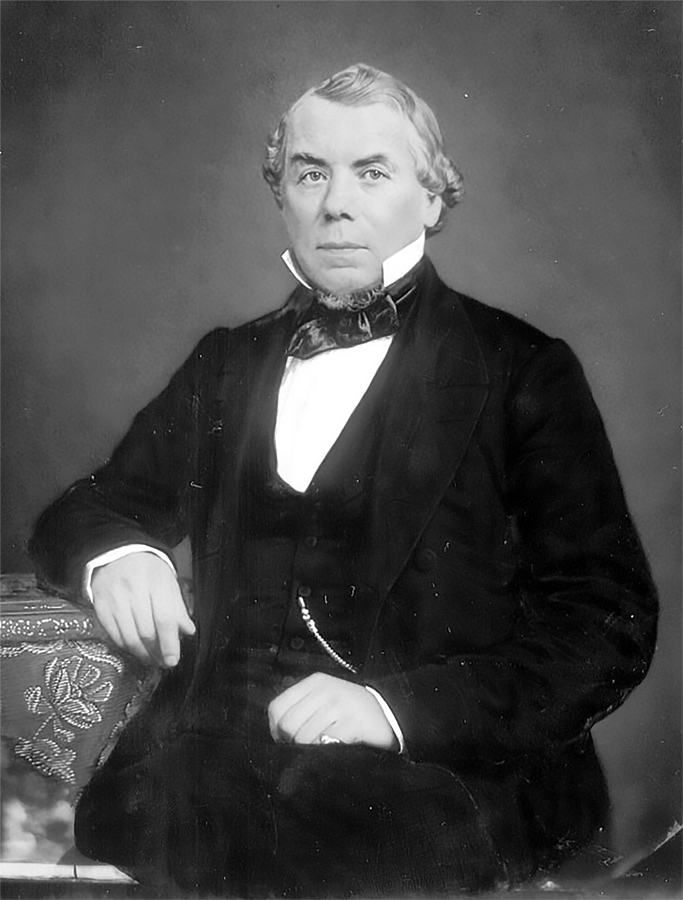
Robert Campbell (1804 – 1879) was an Irish immigrant who became an American frontiersman, fur trader and businessman. 

Campbell was unique in terms of his successful career in the American West, which included  his involvement in the successful Rocky Mountain Fur Company, as well as his long formal partnership with trapper William Sublette in the 1820s. In 1835, he returned to his hometown of St. Louis, thus ending his frontiersman days. After that, Campbell established himself as a businessman, real estate mogul and banker.

Learn more about Robert Campbell and his connection to Wyoming.

Resources

Thomas Fitzpatrick

536-thomas_fitzpatrick-dura

Thomas Fitzpatrick (1799-1854) was a trapper and trailblazer who became the head of the Rocky Mountain Fur Company. Among the most colorful and highly regarded of the mountain men of that era, Fitzpatrick was party to many of the most important events of western exploration.

Fitzpatrick is credited with leading a trapper band (along with Jedediah Smith) that discovered South Pass, Wyoming and for shepherding the first two emigrant wagon trains to Oregon. In addition, he was the official guide for John C. Fremont on his second and longest expedition in 1843-1844. He also helped negotiate the Fort Laramie Treaty of 1851 at the largest council ever assembled of Native Americans of the Plains.

Fitzpatrick was known as “Broken Hand” after he mangled his left hand in a firearms accident.

Learn more about Thomas Fitzpatrick and his connection to Wyoming.

Resources

Jedediah Smith

535-Jedediah-Smith-dura

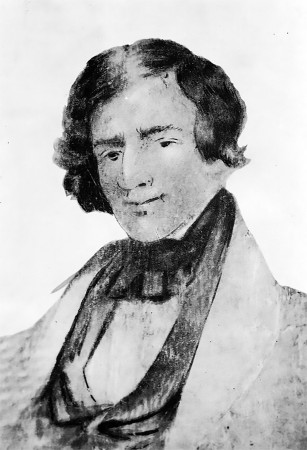
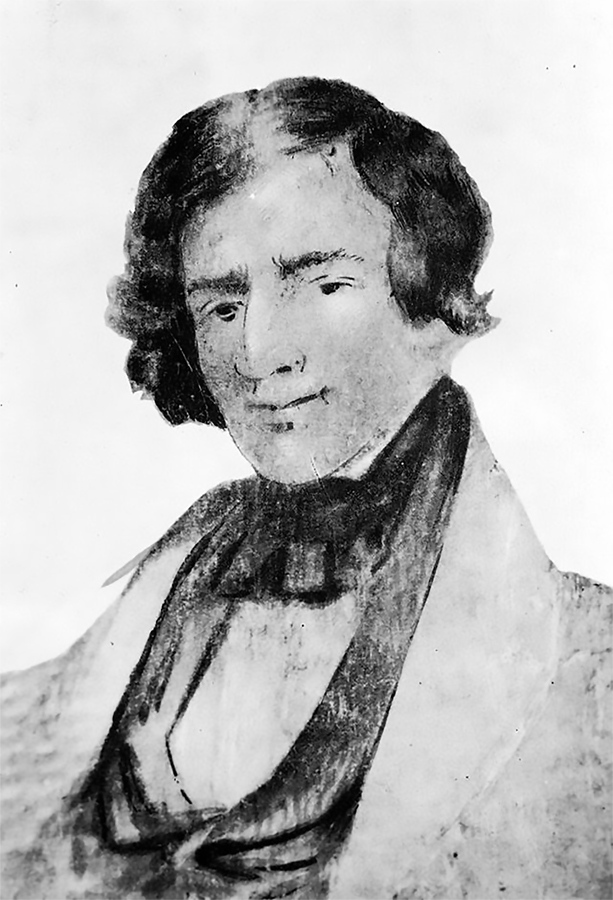
Jedediah Strong Smith was a hunter, trapper, fur trader, trailblazer, author, cartographer and explorer of the Rocky Mountains, North American West and Southwest during the early 19th century. Smith’s explorations led to the use of the 20-mile wide South Pass as a dominant point for crossing the Continental Divide for pioneers on the Oregon Trail.

Throughout his travels, he survived three massacres and one bear mauling. Smith’s explorations and documentation were important aids to later American westward expansion. In 1831, while searching for water near the Santa Fe Trail in present-day southwest Kansas, Smith disappeared. Later, it was discovered that he’d been killed during an encounter with the Comanche.

Learn more about Jedediah Smith and his connection to Wyoming. 

Resources