All posts by CavalrymanSteakhouse

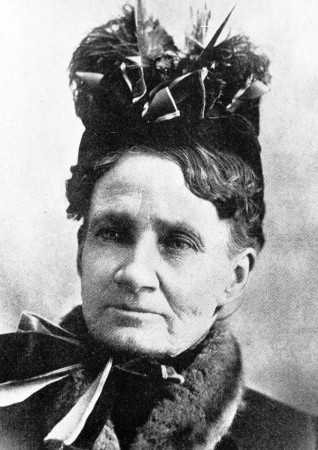
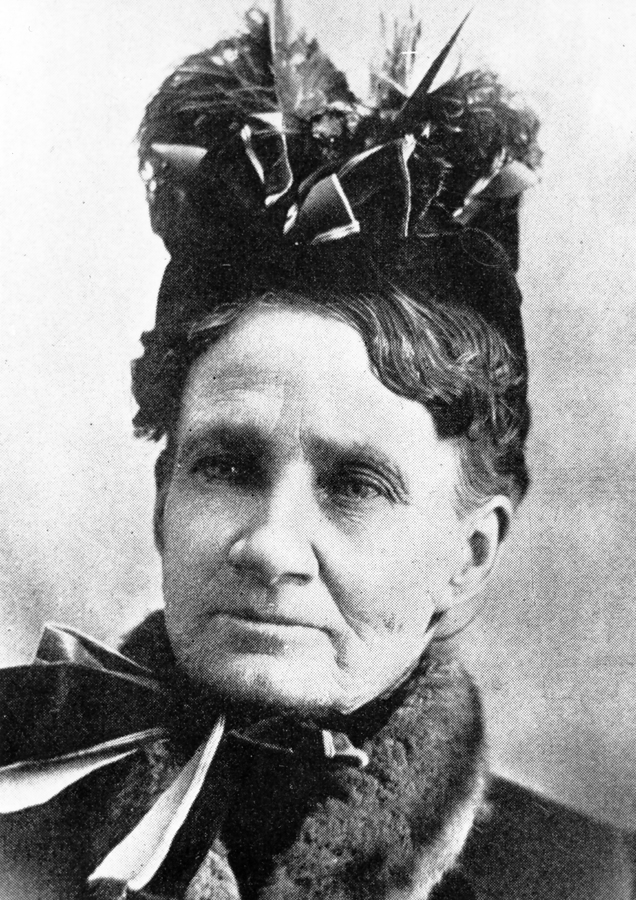
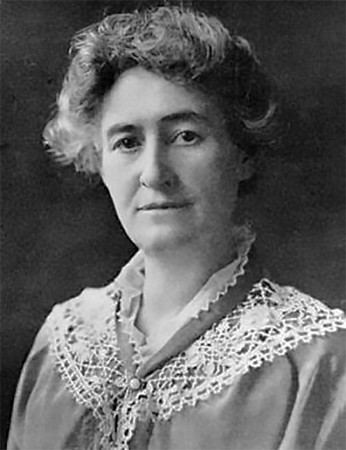
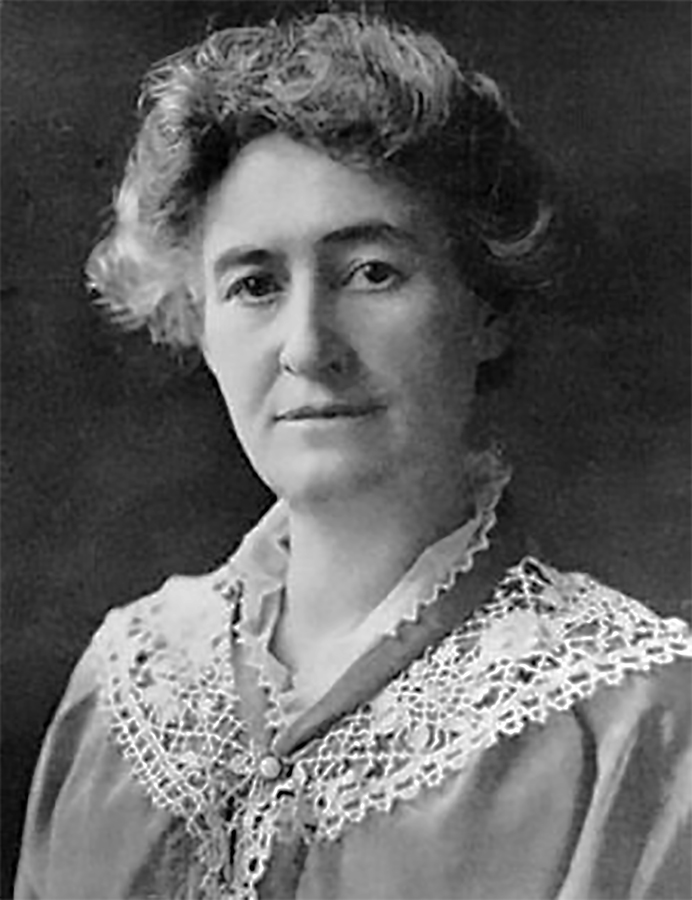
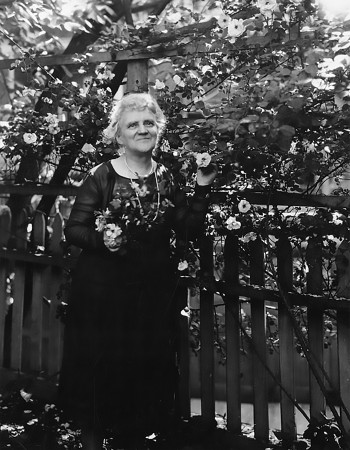
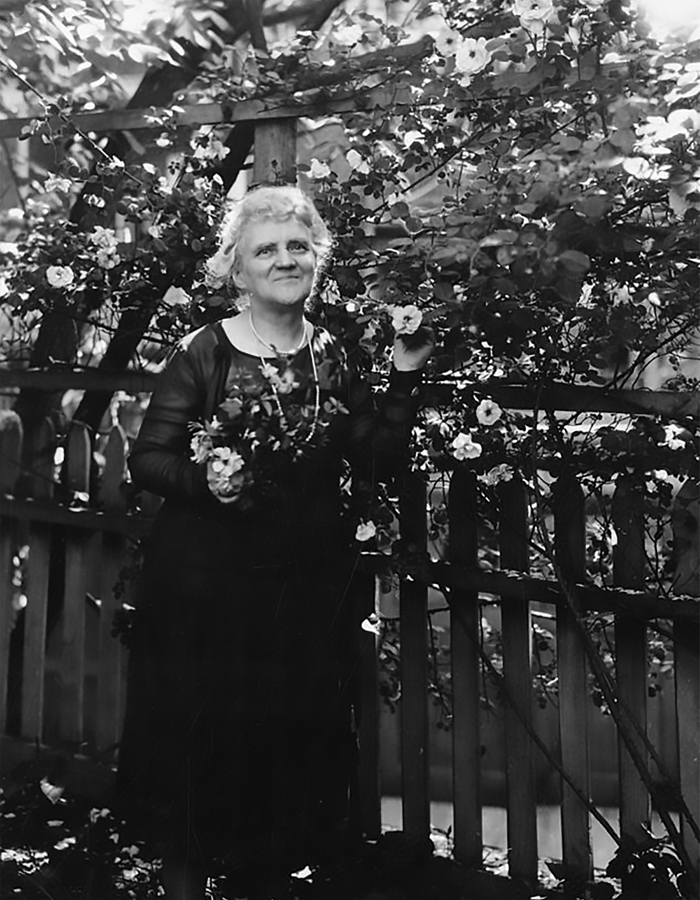
Martha Symons Boies Atkinson

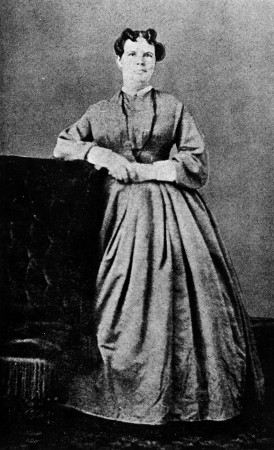
Martha Boise was elected the first female Bailiff when it was found necessary to sequester a jury during a trial.

Martha Symons Boies Atkinson was appointed as the first female bailiff in the world in 1870 when the first jury to include women was seated in Laramie.  As the trial wore on, the judge ordered that the jury be sequestered. Only a woman could guard the hotel room doors of other women and so Atkinson was selected.

Wyoming has long enjoyed a series of “firsts.”  In February 1870, Esther Hobart Morris of South Pass City was appointed as the nation’s first female justice of the peace.  In 1924, Nellie Tayloe Ross was elected as the first woman governor to complete the term of her husband who died in office.

Learn more about Martha Symons Boies Atkinson

Resources

Esther Hobart Morris

482-Esther_Morris-dura

Esther Hobart Morris was, and still is, larger than life. A bronze sculpture of her stands before the Wyoming State Capitol in Cheyenne and as Wyoming’s representative in Statuary Hall in the Capitol Building in Washington, D.C.

Morris has always been a symbol for the women’s rights movement, but historians believe there may be more “lore” than truth to the stories of her independent attitude, support of women’s issues and force behind the Women’s Suffrage Act in Wyoming.

The story goes that in 1869, Morris hosted a tea party at her home where she invited local territorial legislator William Bright and obtained a promise from him to introduce the suffrage bill. Considering the Morris cabin was probably only 24 x 26 feet, it is hard to imagine a party being held there. While she and Bright did know each other, as they both lived in South Pass City, any direct involvement by Morris in the drafting and introduction of the suffrage bill cannot be substantiated.

In 1870, shortly after the Wyoming Territorial Legislature granted women the right to vote, Esther Hobart Morris was appointed as the first woman justice of the peace in the nation and she is commonly regarded as a heroine in the women’s suffrage movement – real or imagined.

Learn more about Esther Hobart Morris. 

Resources

Mary Godat Bellamy

475-Mary-Bellamy-Dura
Photo courtesy of Wyoming State Archives

Mary “Mollie” Godat Bellamy was Wyoming’s first woman state legislator.  A Democrat, she was first elected to serve a two-year term in the House of Representatives in 1910 and then again in 1918.

Bellamy was a Laramie high school teacher who later served as the superintendent of schools in territorial Albany County. In the Wyoming State Legislature, she focused on issues affecting the welfare of women and children, as well as those that increased funding for the University of Wyoming.

Mary’s husband Charles, a civil engineer, served as the state’s first water commissioner under State Engineer Elwood Mead. “Lake Marie” west of Laramie was so named by Bellamy in honor of his wife while he dubbed another nearby body of water “Bellamy Lake.”

Learn more about Mary Bellamy and about Wyoming water history

Resources

The Blue Front

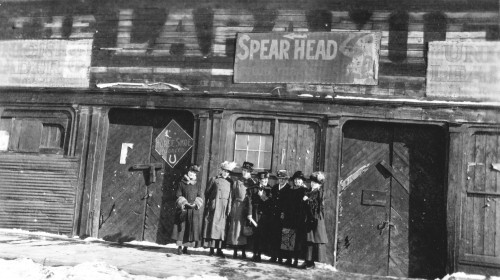
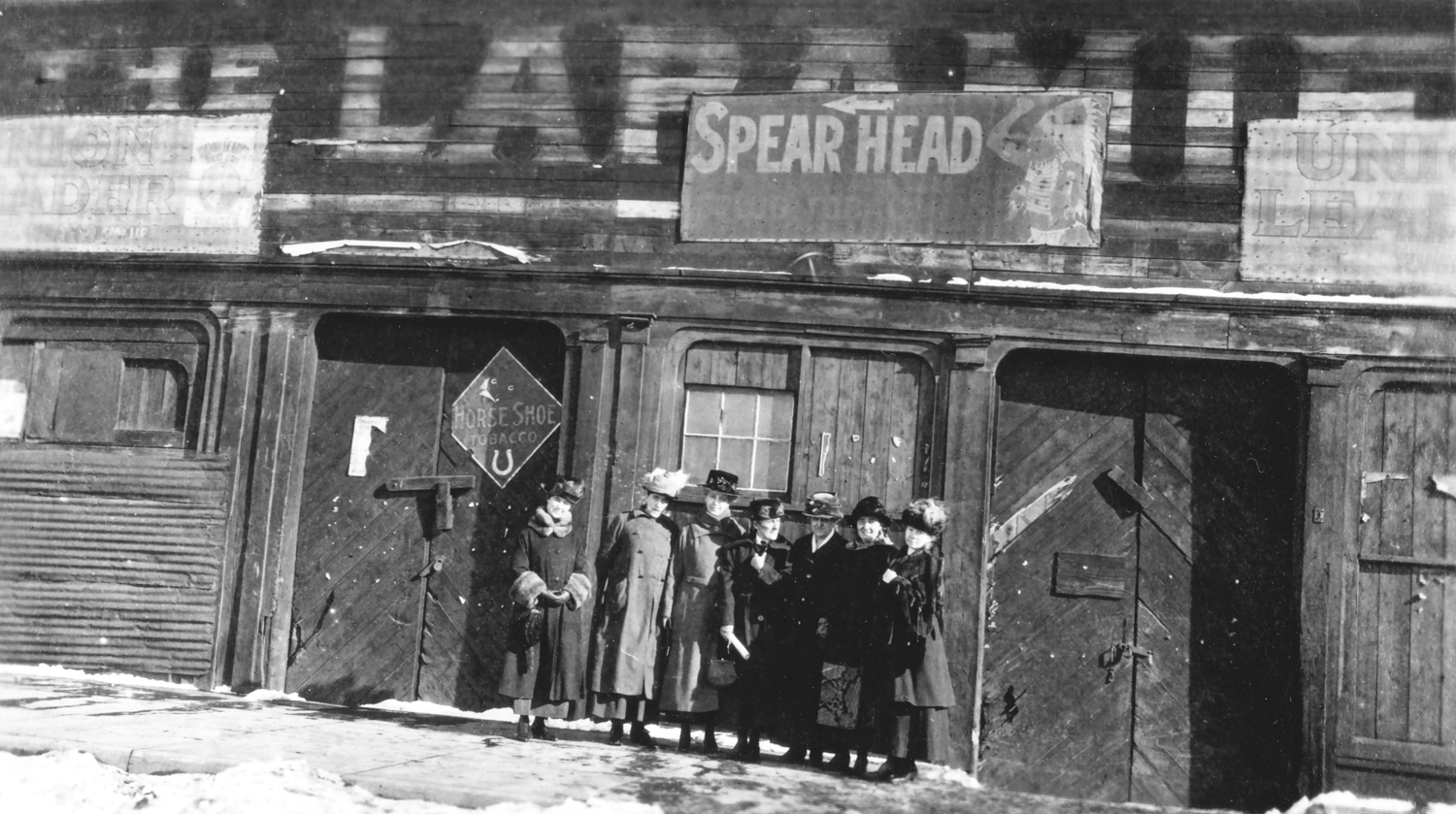
The first females jurors gathered in front of the first courtroom in Laramie – The Blue Front (notorious as Con Moyers (831) Bar, then a theatre for traveling acting troops, later August Trabing used it as his fist store in Laramie)
A re-enactment of the first jury trial to include female jurors is pictured here in front of the first courtroom in Laramie — the National Theatre.  The theatre was originally called “The Blue Front” and  was notorious as Con Moyer’s Bar.

The Blue Front, located on South Front Street, opened as a “Bucket of Blood” style saloon owned by Con Moyers, one of the men hung during the vigilante uprising of October 1868.

Later, the building became the National Theatre, where many plays and performances were stages. Laramie’s courtroom was moved to the National Theatre to seat the world’s first female jurors, as the locations where other court cases had been held were deemed unsuitable for a proper woman to enter. Even then, it took a great deal of convincing that the theatre was respectable and safe. Justice Howe told the men and women of the jury he had “long seen that woman was a victim to the vices, crimes and immoralities of man, with no power to protect and defend herself from these evils.” Jury duty gave women “such powers of protection.”

In 1869, Augustus Trabing moved his headquarters to Laramie in the old Blue Front Theatre. It was a one-story wooden structure that he painted a bright blue, hence the name Blue Front. When Trabing opened the Laramie Grocery Company at the corner of Garfield and South Second Street, the theatre was used as a warehouse.

Learn more about the history of the Blue Front. 

Resources

Eliza Stewart Boyd

468-Eliza-Stewart-Boyd-Dura

Eliza Stewart Boyd was the first female’s name to be drawn from the voter’s role to serve on the world’s first jury to include women, which convened in March of 1870 in Laramie, Wyoming.  The women on the grand jury and trial jury were selected less than six months after Wyoming’s first territorial legislature granted women equal political rights.

Stewart Boyd was also the first schoolteacher hired at Laramie’s first public school in 1868. In time, she would also be known for her work in campaigning for the arts, literature and prohibition in Wyoming.

Eliza Stewart Boyd is among the many women memorialized in the Wyoming House for Historic Women, located on 2nd Street between Garfield and Grand in Laramie. It honors twelve Wyoming women whose lives have impacted the world.

Learn more about Eliza Stewart Boyd

Resources

Grace Raymond Hebard

455-Grace-Raymond-Hebard-on-horseback-at-Ft-Laramie-monument,-6-18-1915-dura

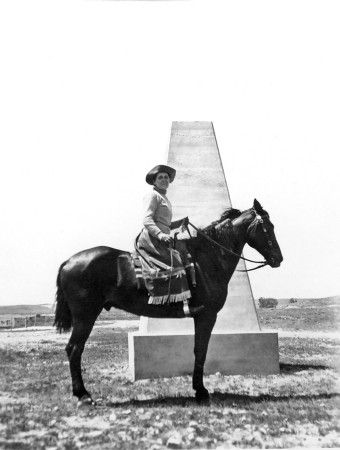
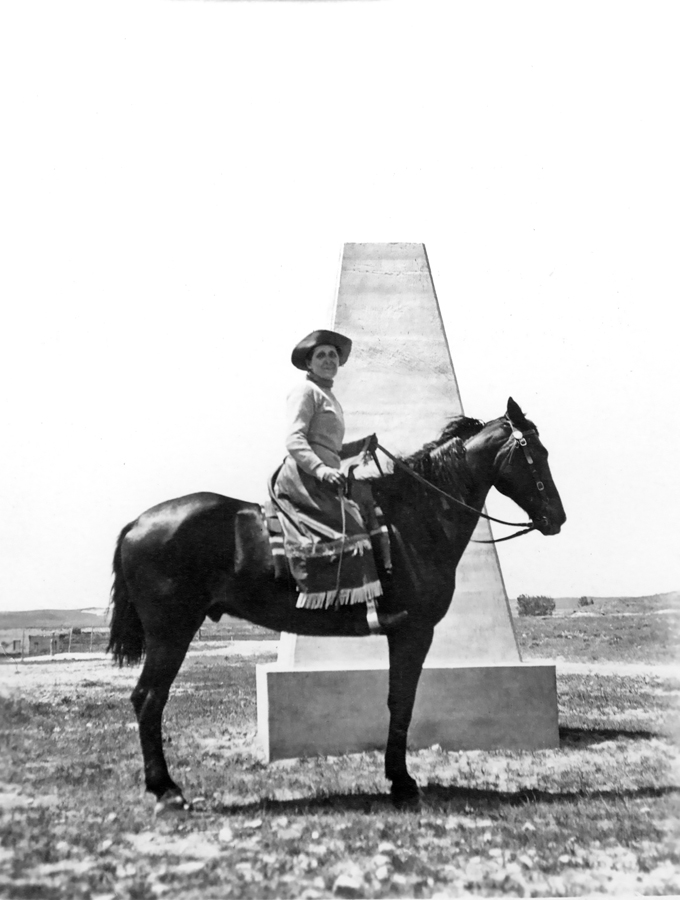
Grace Raymond Hebard was not the first woman in Wyoming to break the “glass ceiling” of her time, but her achievements were quite remarkable!

Not only was Hebard the first woman admitted to the Wyoming State Bar in 1898 and the first woman to practice law before the Wyoming Supreme Court, she was also an engineer, suffragist, librarian and historian (albeit one whose work has often been in question).

Reared in Iowa, Hebard received a B.S. in engineering from the State University of Iowa in 1882, followed by an M.A. through a correspondence course in 1885. A job opportunity as a draftsman in the land office of the United States Surveyor General brought her and her family to Wyoming; after arriving, her love of the state never waned. Hebard became a member of the University of Wyoming Board of Trustees in 1891, serving as the secretary. Later, she taught political economy, and by the end of her career became head of the departments of political economy and sociology. Hebard was a popular speaker and writer whose books were considered highly romanticized. These included the History and Government of Wyoming and Pathbreakers from River to Ocean.

As if that weren’t enough, Hebard was the state’s reigning tennis champion for a time.

Learn More about Grace Raymond Hebard

Resources

Nellie Tayloe Ross

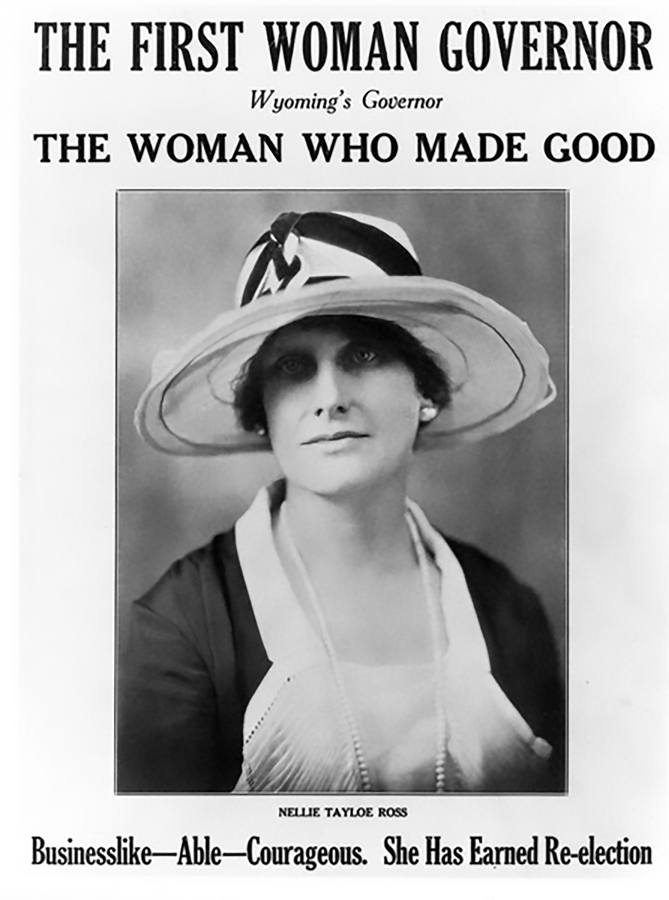
452-nellie-ross-campaign-dura

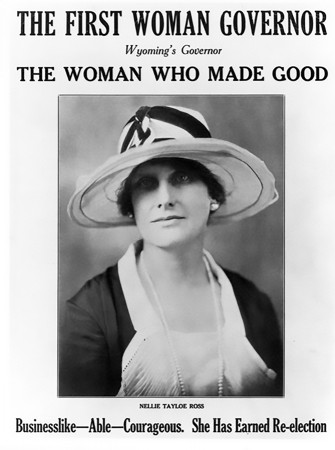
Nellie Tayloe Ross was the first woman in the United States to serve as governor of a state, plus the first female director of the United State Mint.

Ross was elected governor of Wyoming in 1924, when her husband, incumbent governor Democrat William Bradford Ross, died just prior to re-election. While in office from 1924-1926, she did not accomplish much, as she was a Democrat in a primarily Republican state. However, her graciousness and business-like manner gained her great respect.

Ross lost her re-election bid to a Republican candidate in 1926, yet she remained active in politics and served as the vice-chairwoman for the Democratic National Committee, working closely with Eleanor Roosevelt. In 1933, President Franklin D. Roosevelt named Ross director of the United States Mint, a position she held for 20 years.

Learn more about Nellie Tayloe Ross.

Resources

Lillian Heath

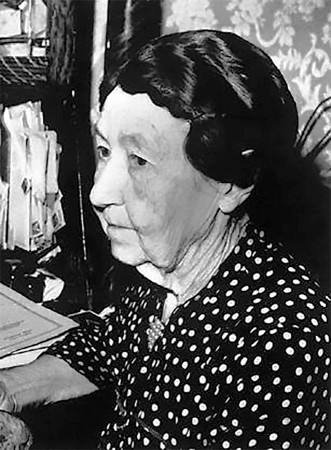
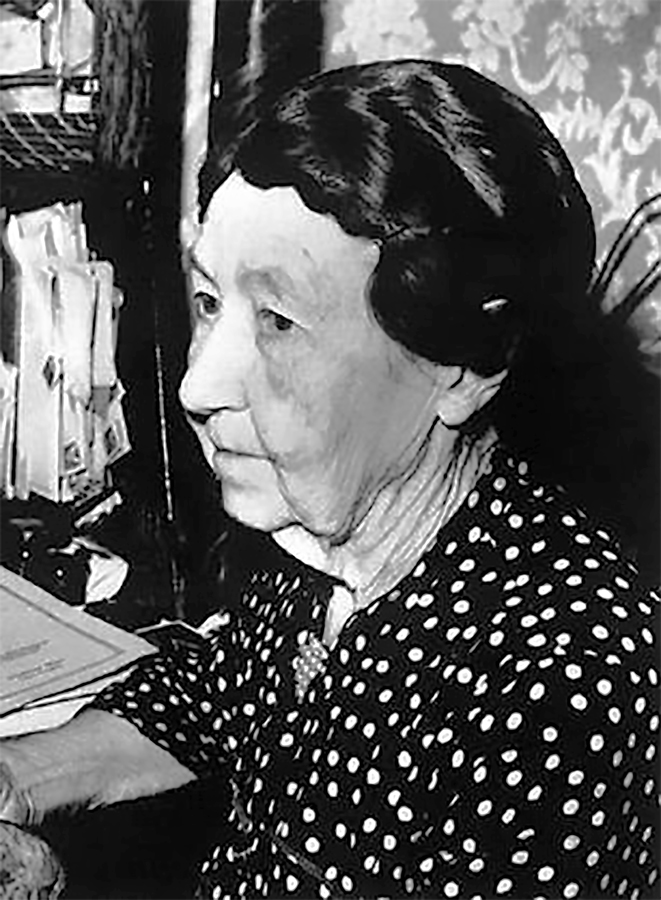
Dr. Lillian Heath late in her life, with part of the skull of the outlaw Big Nose George. Carbon County Museum.

Lillian Heath was Wyoming’s first female physician. A native of Rawlins, she opened her practice at her parents’ home at age 27 in 1893, and was reportedly the only woman to attend the 1895 American Medical Association’s convention held in Denver.

Heath carried a pistol when she went out on house calls, and her skills ran from obstetrics and gynecology to surgery, anesthesiology and early aspects of plastic surgery. Heath is probably best known for something rather morbid. In 1881, when outlaw “Big Nose” George Parrot was lynched in Carbon County, a medical bag and a pair of shoes were eventually made from the dead man’s skin. The top of his skullcap was given to  the teenaged Heath, who used it as a flowerpot.

While Heath might have seemed “rough and tumble” for her time, she was also known to be a “perfect 36” and modeled clothing for Denver’s Daniels and Fisher Department Store (later known as May D & F).

Learn more about Lillian Heath

Resources

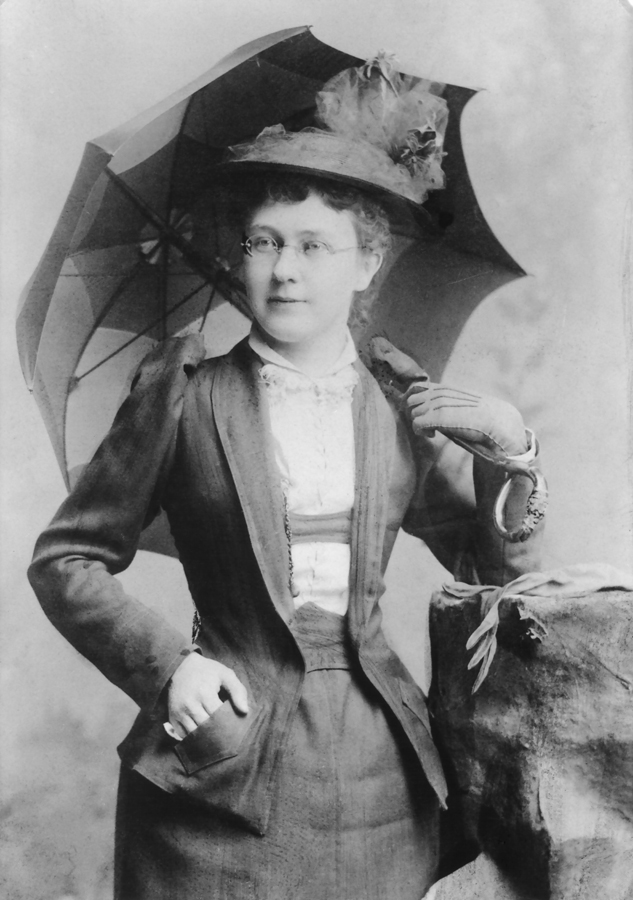
Estelle Reel

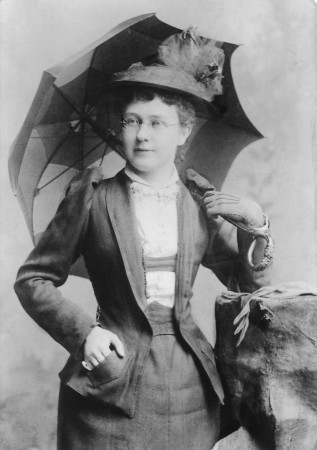
Estelle-Reel,-with-umbrella-parasol-dura

Estelle Reel was the first woman in the nation elected to statewide public office as the Wyoming’s Superintendent of Public Instruction in 1894.

Although she had never sought public office before, the state’s Republican party gave her the nomination and Reel did not disappoint! She campaigned like a champion, traveling the state from corner to corner in spite of the whispers at the impropriety of a single woman traveling alone. On Election Day, she received more votes than any other man  elected to office in Wyoming had gained before.

As the Superintendent of Public Instruction, Reel was in charge of Wyoming’s schools and sought to standardize the curriculum throughout the state, particularly in the state’s poor rural areas. She also served on the Land Commission and the Board of Charities and Reform, earning a salary of $2,000, which many thought too high a salary for a woman.

Reel left office and Wyoming in 1898 before the end of her term when William McKinley was elected president. She had campaigned for him and, in turn, won an appointment as the National Superintendent of Indian Schools, becoming the first and only woman to hold that post and the first woman to receive Senate confirmation.

Learn more about Estelle Reel

Resources

May Preston Slosson

may-preston-slosson-dura

May Gorslin Preston Slosson served as the chaplain at the nearly all-male Wyoming Territorial Prison in Laramie, Wyoming from 1899-1903.

In 1880, she was the first woman to earn a Ph.D. from Cornell University and the first woman to obtain a doctoral degree in philosophy in the United States. She and her husband, Edwin Emery Slosson, moved to Laramie in 1891 where she organized a series of Sunday afternoon lectures for the prisoners. When the position of chaplain became vacant, the prisoners requested Slosson.

Slosson obviously had a connection with the inmates and helped to institute prison reform. She held counseling sessions and even wrote letters on their behalf. In addition, every man pardoned was invited to her home for a home-cooked meal upon his release.

The Wyoming Territorial Prison State Historic Site commemorates Slosson’s work with a historical lecture series.

Learn more about May Preston Slosson.

Resources