All posts by CavalrymanSteakhouse

Mardy Murie

mardy-jehndenver-dura

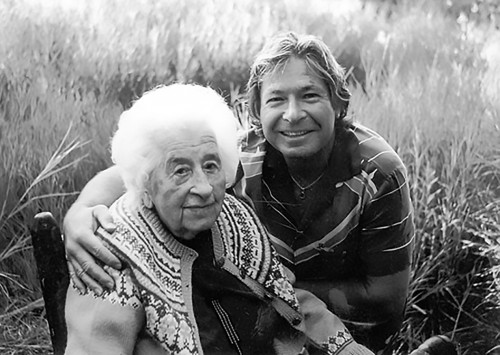
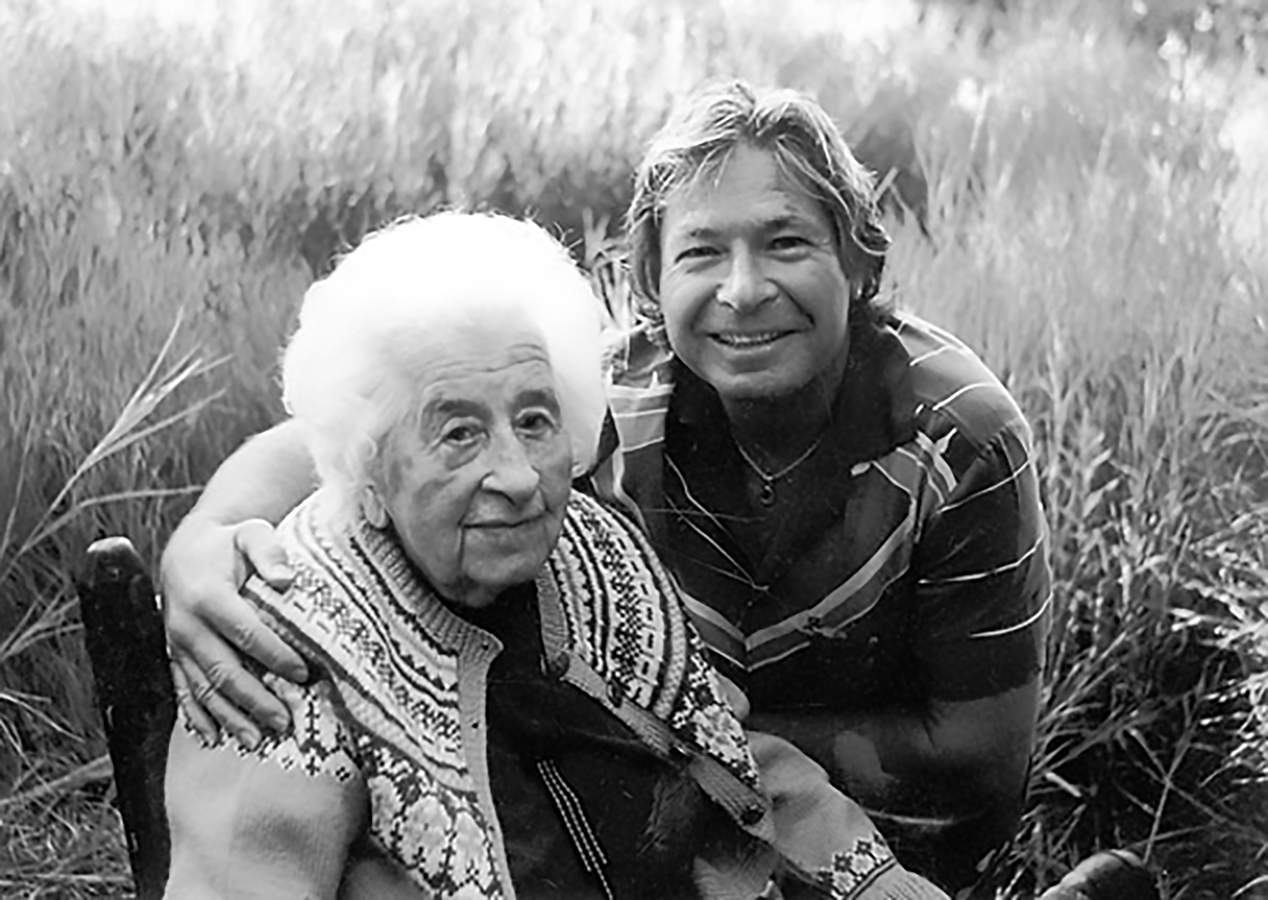
Margaret Thomas “Mardy” Murie was one of the first women to take a leading role in America’s conservation movement.

Known as the “Grandmother of the Conservation Movement,” Murie was also the first woman to graduate from the University of Alaska in 1924. That same year, she married husband Olaus and began a lifetime of travel, research, and conservation. Murie helped secure the passage of the Wilderness Act and the creation of the Arctic National Wildlife Refuge. Her devotion earned her the Audubon Medal, the John Muir Award, and the Presidential Medal of Freedom — the highest civilian honor awarded by the United States.

She was the author of several books including Two in the Far North and Wapiti Wilderness, and was on the founding board of the Teton Science School in Jackson, Wyoming.

Learn more about Mardy Murie. 

Resources

Agnes Wright Spring

Agnes-wright-classroom-pic-dura

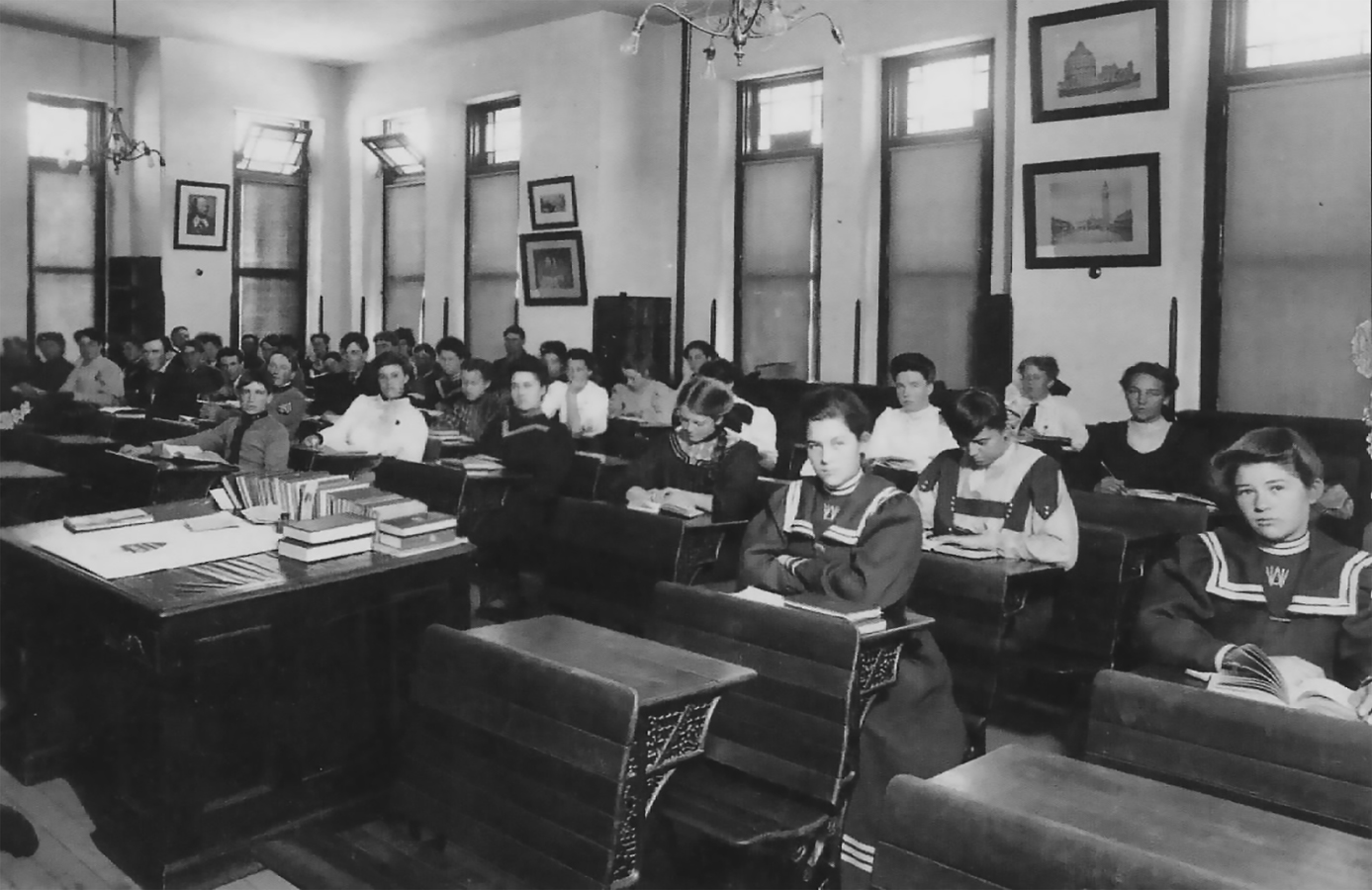
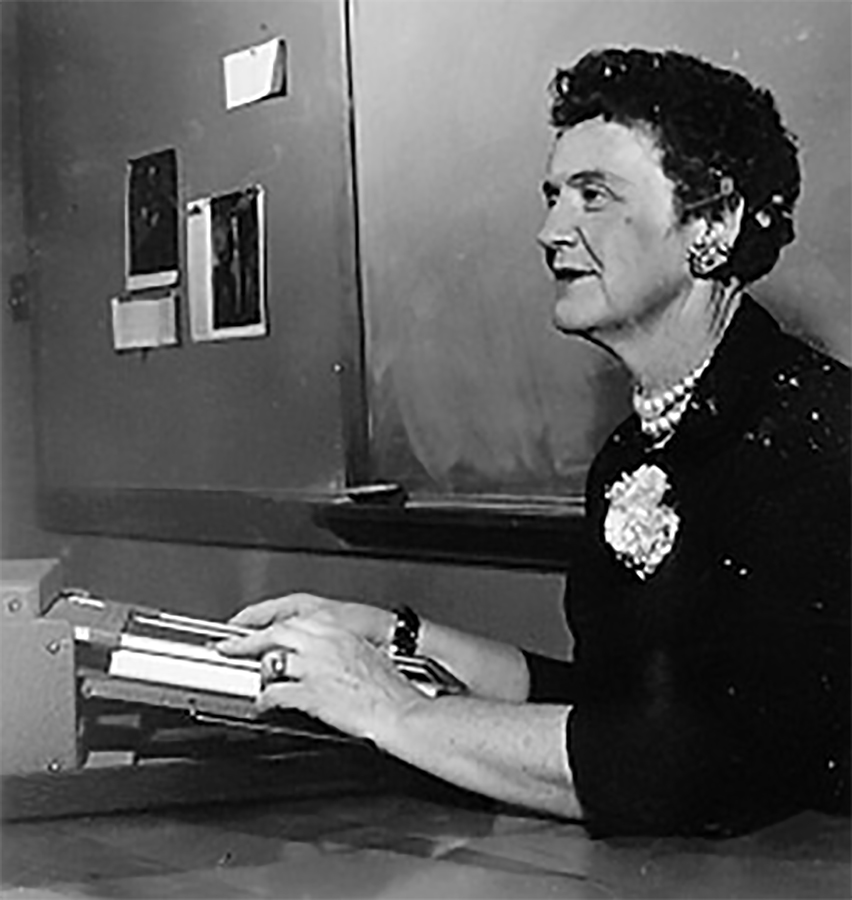
Historians and students alike owe a debt of gratitude to Agnes Wright Spring (far right), a Wyoming writer and historian who wrote 20 books focusing on Wyoming and Western history.

She was the first woman to undertake many endeavors in Wyoming, including becoming the first female student to graduate with a civil engineering degree in 1913. While studying at the University, she was also the first female editor of The Wyoming Student, the school’s literary publication. Wright-Spring later served as the state librarian, and was the only person to serve as the official state historian of two states – Wyoming and Colorado.

During World War II, she served as the director of the Wyoming Federal Writer’s Project. Wright-Spring was inducted into the National Cowgirl Hall of Fame in 1983.

Learn more about Agnes Wright Spring. 

Additional Resources

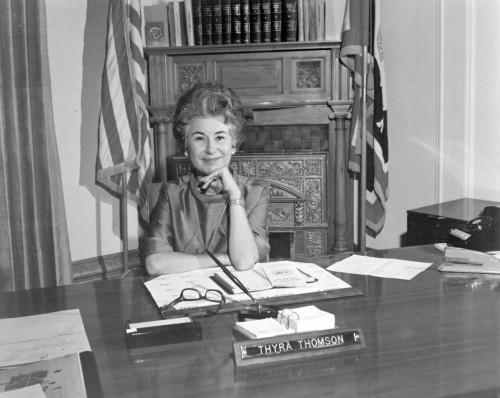
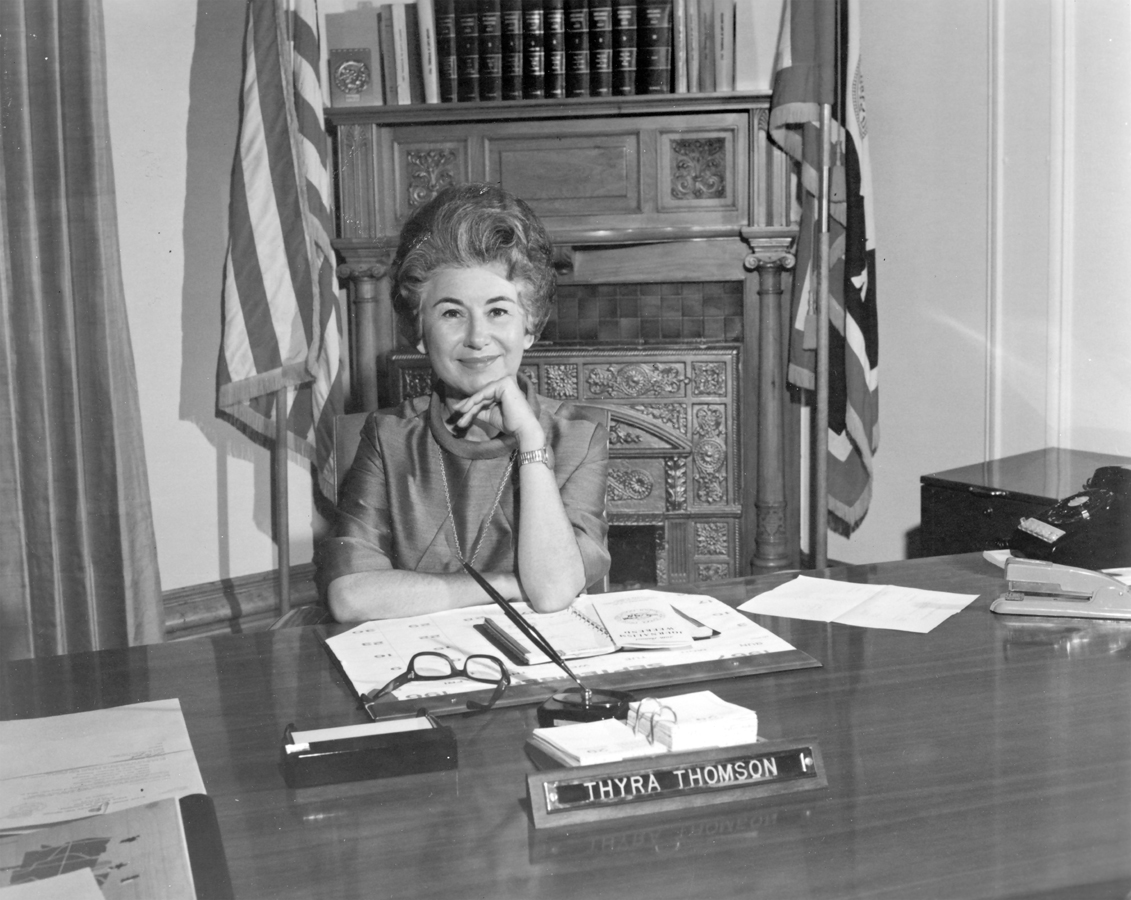
Thyra Thomson

Thyra-Thomson-dura

Republican Thyra Thomson was the first woman elected to serve as Wyoming’s Secretary of State. The widow of a popular Wyoming politician, U.S. Rep. Keith Thomson, she first ran for office in 1963 and was not only able to transfer her late husband’s popularity into an electoral victory for herself, but also held the position for an astounding 24 years. She retired in 1987.

Thomson witnessed gender discrimination while working in state government, noting the irony of this fact given that Wyoming, known as the Equality State,  was the first state to grant women the right to vote. In 1974, she was elected president of the North American Securities Administrators Association, an organization for state securities administrators who are charged with the responsibility to protect consumers who purchase securities or investment advice.

As secretary of state, Thomson served as acting governor when Wyoming  Governors Clifford P. Hansen, Stanley K. Hathaway or Ed Herschler were out of state.

Learn more about Secretary of State Thyra Thomson.

Resources

Harriett Elizabeth Byrd

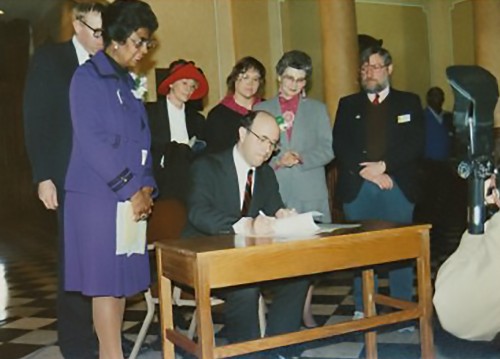
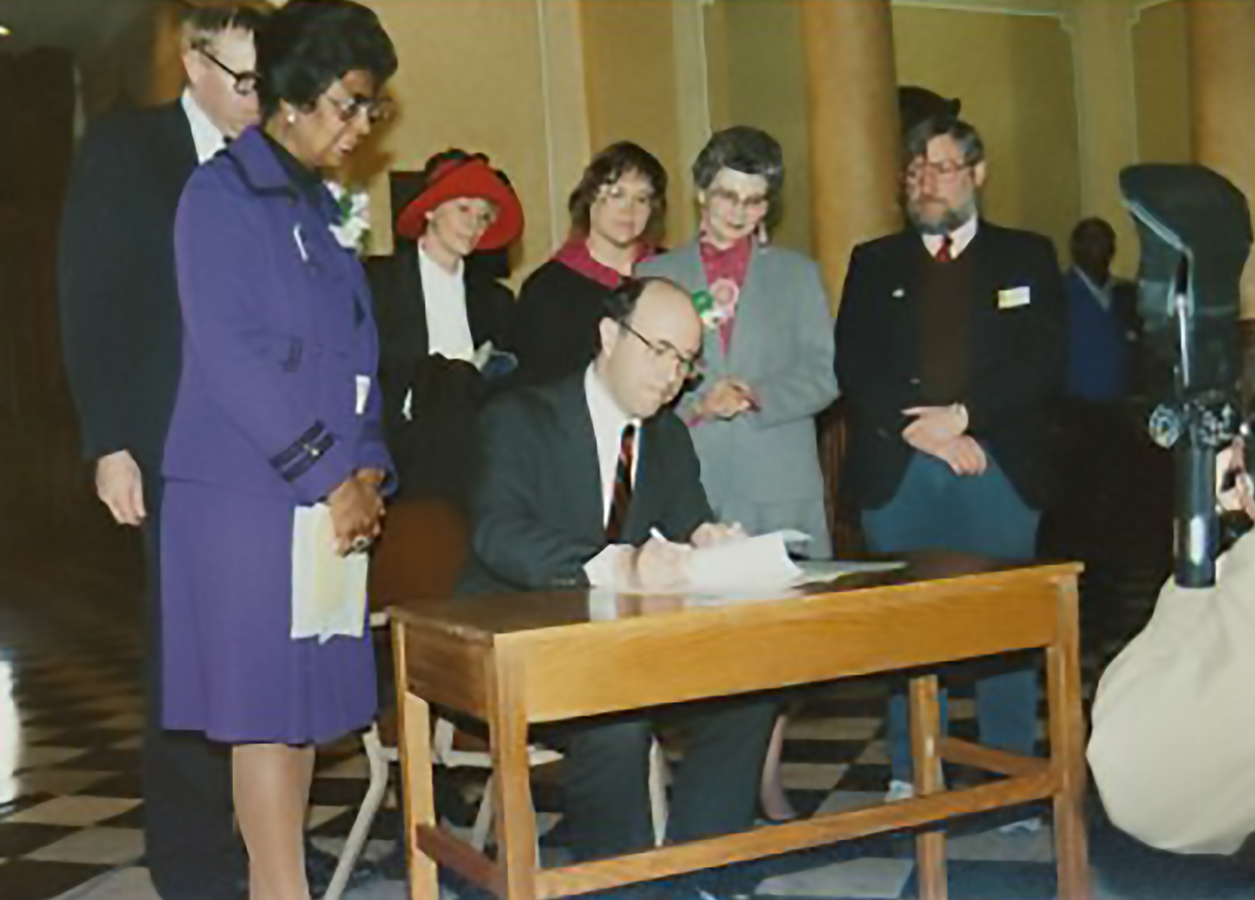
Harriett Elizabeth Byrd at signing of MLK and equality State Bill
Harriett Elizabeth Byrd at the signing of the MLK Jr./Equality State Day Bill with Governor Mike Sullivan.

Harriet Elizabeth “Liz” Byrd was the first African-American woman to serve in the Wyoming State Legislature. She served in the House of Representatives from 1980 to 1988 and in the Senate from 1988 to 1992.

Born and reared in Cheyenne, Wyoming, Byrd earned a bachelor’s degree in education in 1949 from West Virginia State College. Upon her return to Cheyenne, she was denied a teaching job because of her race, a decision that was later reversed. Byrd taught elementary school for 27 years in Cheyenne and received her M.A. in teaching from the University of Wyoming in 1976.

During her tenure in the state legislature, she sponsored legislation establishing a state holiday in honor of Martin Luther King, Jr. In 1991, she was partially successful with the passage of the bill, but the holiday was named the Martin Luther King, Jr./Wyoming Equality Day.

Learn more about Harriett Elizabeth “Liz” Byrd.

Resources

Emma Howell Knight

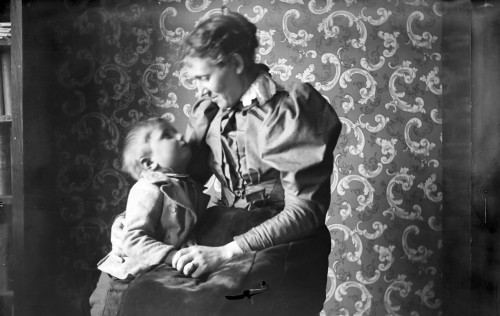
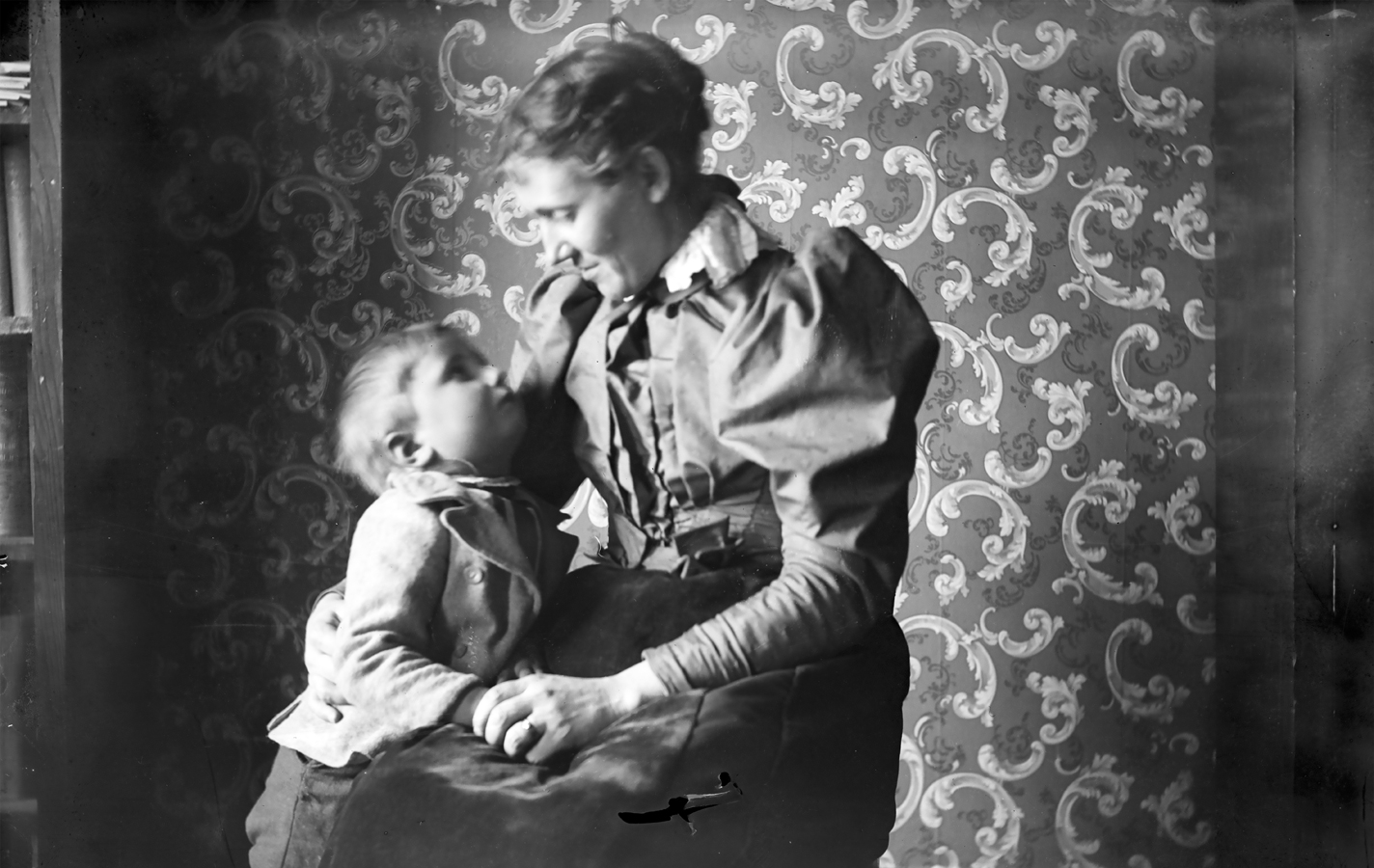
Emma Knight and her son Everett, about 1900
Emma Knight and her son Everett, circa 1900.

Emma Howell was a young woman attending the University of Nebraska when she fell in love with Wilbur Knight, a mining engineer working in the Medicine Bow Range of Wyoming. They married on October 16, 1889.

In time, they moved to Laramie where Wilbur taught mining engineering and metallurgy at the University of Wyoming while Emma became active as a professor’s wife in Laramie society. When her husband died unexpectedly in 1903, Knight was left to support their four children. She did so by getting elected to the position of Albany Superintendent of Schools in 1904. In 1911, she completed her BA in the same class as her daughter Wilburta.

Moving up the ranks in the educational system, Knight was appointed the advisor to women and assistant head of home economics at the University of Wyoming in 1911, then as an assistant professor in 1913. In 1918, she became the University of Wyoming’s first full-time dean of women, a post that she held until her retirement in 1920.

In her honor, the University of Wyoming named the new women’s dormitory – Knight Hall — in her honor in 1941.

Learn more about Emma Knight. 

Resources

Verda James

Verda-James-duraVerda James was the first woman to serve a full term as Speaker of the Wyoming House of Representatives during the 1969-1970 sessions.

James was a Wyoming educator who worked for the Wyoming Department of Education and Casper College before becoming the assistant superintendent for elementary education for Natrona County School District 1. She was elected to serve in the House of Representatives from 1954-1970 where she chaired the House Education Committee and was the only Republican woman in the House during most of that time.

James notes that one of her proudest accomplishments was her role in the Wyoming Department of Education’s establishment of the State School for the Deaf in Casper.

Learn more about Verda James. 

Resources

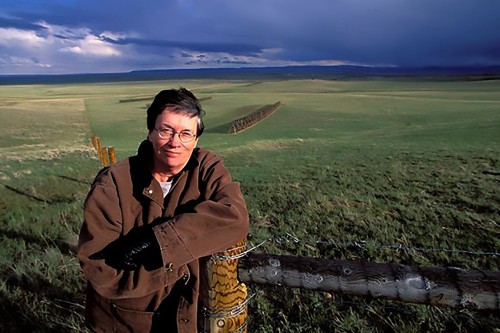
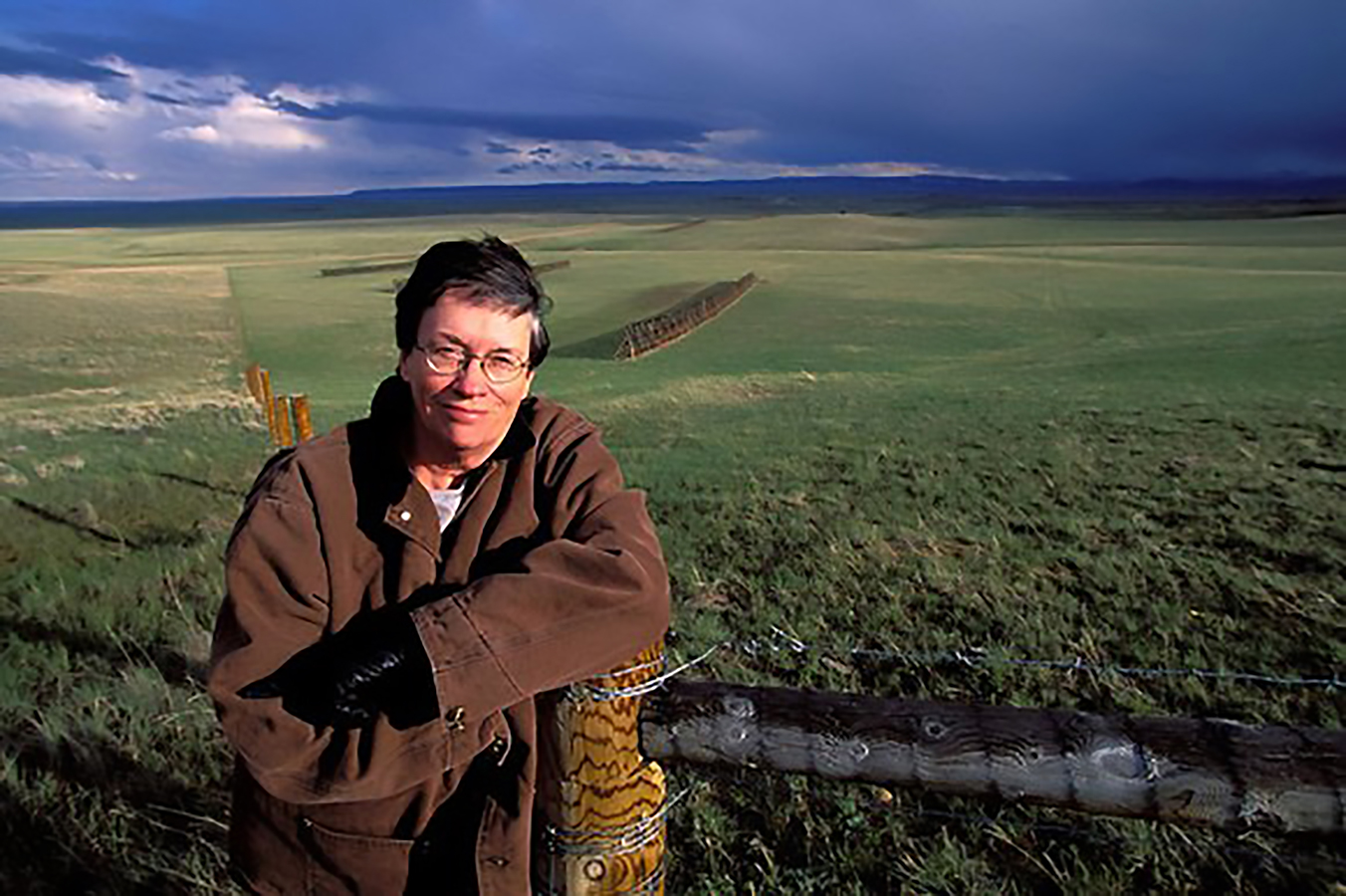
Annie Proulx

Annie-Proulx-dura

Annie Proulx is an award-winning journalist and writer who made her home in Saratoga, Wyoming for many years.

Proulx has written numerous books and short stories including the Pulitzer Prize-winning “The Shipping News” in 1984, which was later made into a movie starring Kevin Spacey. She is probably most famous for a short story titled “Brokeback Mountain,” which was adapted into an Academy Award-winning screenplay in 2005.

Learn more about Annie Proulx.

Resources

Celebrations at Cavalryman

220-Corthell-Mullens-anniversaries-Country-Club

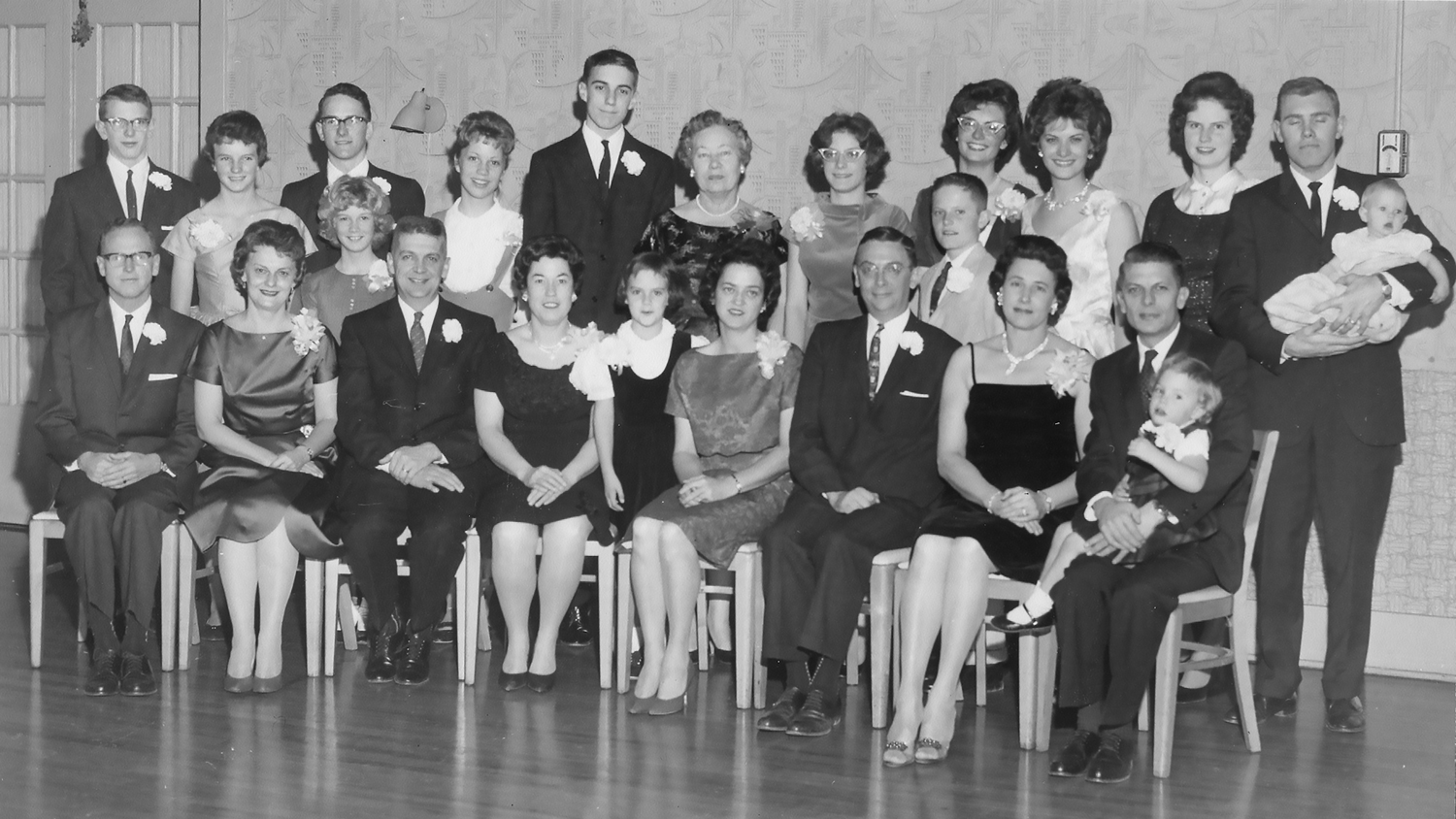
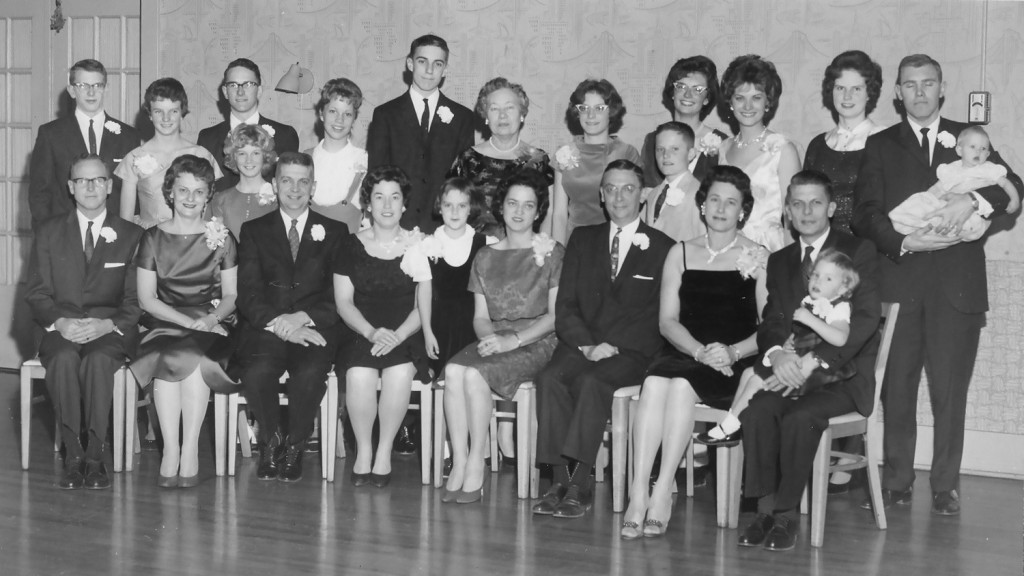
Celebrations were the norm at the Laramie Country Club. Families and organizations often gathered at the Cavalryman Steakhouse as they still do today.

A joint celebration of wedding anniversaries was held at the Laramie Country Club in 1962 for the Hitchcock and Mullens families.

Pictured front row, left to right: Glenn Mullens, Elinor Hitchcock Mullens, Clinton Hitchcock, Edna Hitchcock, Elinor June Hitchcok (standing between Elinor and Chottie) Chottie Hitchcock, David Hitchcock, Betty (Holliday) Hitchcock, and Eliot Hitchcock holding his grand-daughter, Pamela Holliday.

Back row, left to right: Jim Mullens, Ann Mullens, Dave Mullens, Becky Hitchcock (in front of Dave), Barbara Hitchcock, Dennis Hitchcock, Verna J. Hitchcock, Judy Hitchcock, Ruth Hitchcock, Bill Hitchcock (in front of Ruth), Sue Hitchcock, Lois Holliday and Frank Holliday holding Marcie Holliday.

Eliot, David, Clinton, and Elinor are the Children of Wilbur A. Hitchcock and Gladys Corthell Hitchcock. They all graduated from the University of Wyoming and lived in Laramie most of their lives. Eliot and Clinton were architects like their father Wilbur, operating as Hitchcock and Hitchcock Architects. Elinor married Glenn Mullens who was a Professor of Engineering at the University of Wyoming and structural engineer for Hitchcock and Hitchcock Architects. After Glady Corthell Hitchcock’s untimely death in 1925, Wilbur married Verna J. Hitchcock in 1930. He was killed in a tragic car accident on their honeymoon and Verna stayed and raised the children with help from extended family. Verna had a distinguished career in home economics and served as Head of the Department at UW.

PHOTO SOURCE
Boelter, Ann Mullen, Photo and information used with the courtesy of Ann Mullen Boelter, member of the Family.

History of Cavalryman Steakhouse
Cavalryman Steakhouse is located on the parade grounds of historic Fort Sanders, established in July of 1866. Originally named Fort Buford, for Major General John Buford, the post was designated Fort Sanders on September 5, 1866, in honor of Brigadier General William P. Sanders. In its heyday, the Fort Sanders Military Reservation protected the Overland and Lodgepole Creek emigrant routes, the Denver-Salt Lake City stage route, and the construction crews for the Union Pacific Railroad.

The post headquarters were laid out according to standard military plans around a parade ground some 400 ft. by 200 ft. in size. Troops from Companies A and F of the Third Battalion, 18th Infantry, and Company G of the 2nd Cavalry salvaged logs from the decommissioned Forts Collins and Halleck to build the barracks and kitchens, as well as the officers’ quarters on the southeastern side of the parade grounds.

Ruins of the Fort’s powder keg are visible just southwest of the restaurant’s main building. The Cavalryman Steakhouse building was built in 1925 to serve as the clubhouse for the local country club. Just to the east, remnants of the nine-hole golf course can still be found, with the pro shop building still standing just to the southeast.

On March 1, 1970, Robert & Betty Gerard founded the Cavalryman Supper Club in its present location. Cavalryman Steakhouse quickly became known as a great western steakhouse. Marion Griffin and various partners owned and operated the restaurant from 1975 to 2005. In January 2006, a group of investors purchased the restaurant with the intent of honoring its rich tradition while modernizing the restaurant concept. In December 2012, the local managing partner acquired the business and revitalized this historic steakhouse.

Resources

Otto Gramm — Millionaire, Politician, Dastardly Contractor

Otto Gramm

On the surface, Otto Gramm was a respected businessman and prominent citizen in Laramie, as well as a public servant. In 1870, he purchased Dr. Finfrock’s, a successful drug store in Laramie. In 1880, he added a soda fountain, which became a longtime fixture in the Laramie community. Gramm later opened the first bottling company in Laramie. A Republican, he served as probate judge in Laramie, treasurer of Albany County and was appointed State Treasurer in 1890, a position he held through 1895.  He also served on the Board of Trustees for the University of Wyoming.

In the early 1900s, Gramm had a contract with the State of Wyoming to operate the State Penitentiary in Rawlins.  For a man held in such high esteem, the conditions in the new prison were less than ideal. Gramm received $.57 per day per prisoner from the state, plus the profits from the facility’s broom works where the inmates worked. The broom works was burned down by the prisoners in 1912. It came to light that the prisoners under Gramm’s charge were given just enough food to prevent starvation.

In 1911, Republican gubernatorial candidate Joseph Carey’s platform included the termination of Gramm’s contract, both for cost-saving measures and because of Gramm’s less than savory reputation.

Learn more about Otto Gramm.

Resources

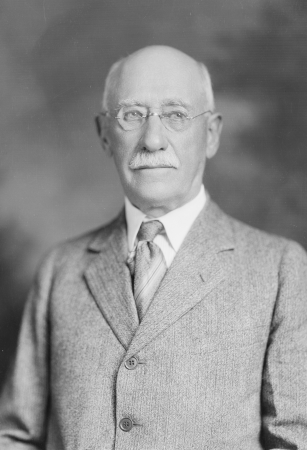
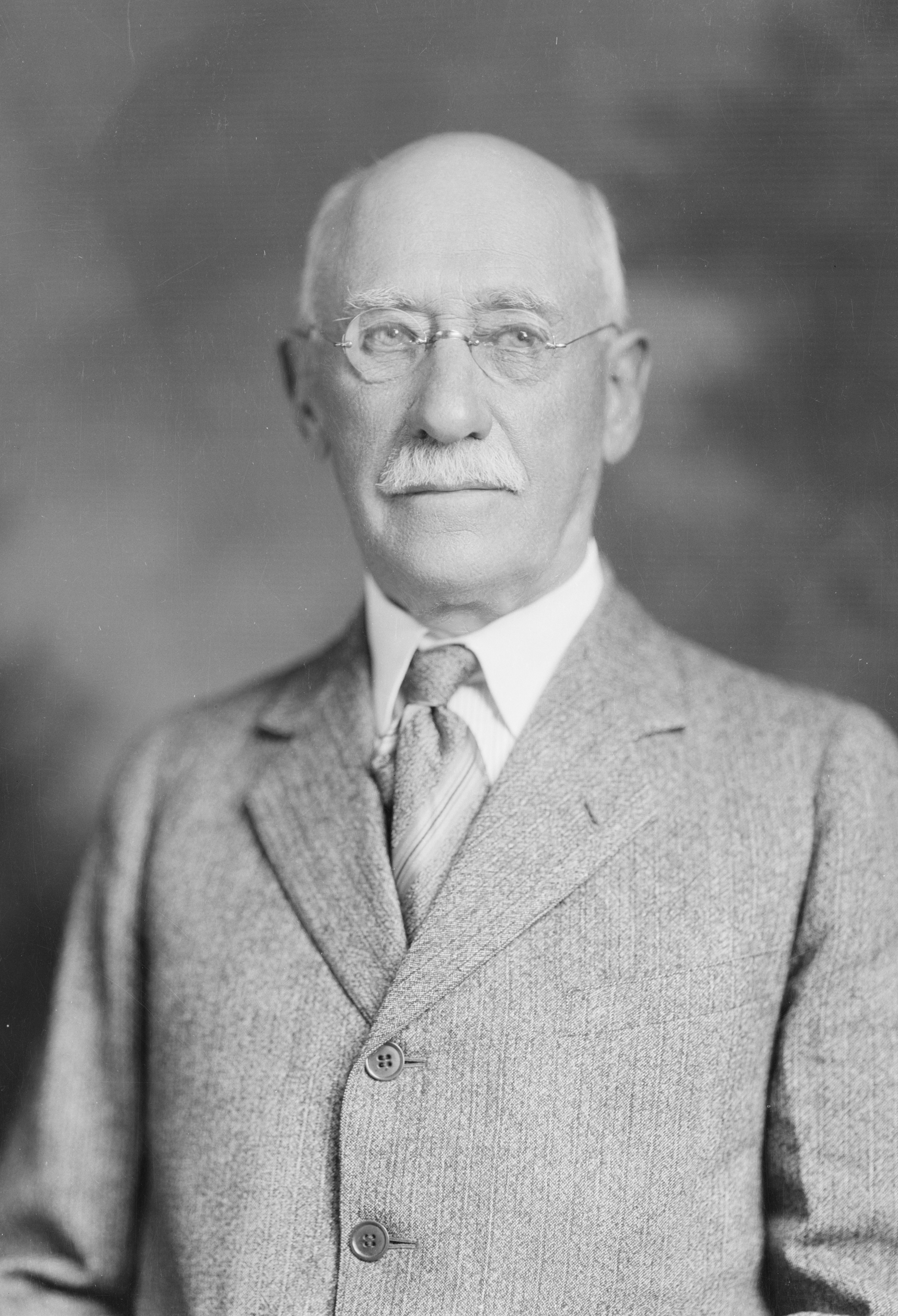
Stephen Downey

Stephen Downey was a prominent Laramie lawyer and legislator who, while serving in the Wyoming Territorial Legislature, played a crucial role in upholding the Woman’s Suffrage Act that had passed a year earlier in 1869. His political career included separate stints as territorial treasurer and auditor in the 1870s, and as Wyoming Territory’s delegate to the United States Congress.

In the 1886 Wyoming Territorial Legislative session – the last one before statehood – Speaker of the House Downey introduced a bill to fund a state university. Downey is therefore often considered to be the “father” of the University of Wyoming. After statehood, Downey served as president of the University of Wyoming’s Board of Trustees between 1891 and 1897.

While managing a political career, Downey continued to practice law. In 1899, he negotiated to gain the possession of an enormous dinosaur the University of Wyoming felt it had claim to—and the effort was eventually successful. Downey’s daughter, June Etta Downey became a professor of philosophy and psychology at the University of Wyoming.

Learn more about Stephen Downey. 

Resources